
1. Lake Qarun: The Historic Maritime Heart of the Fayoum Oasis
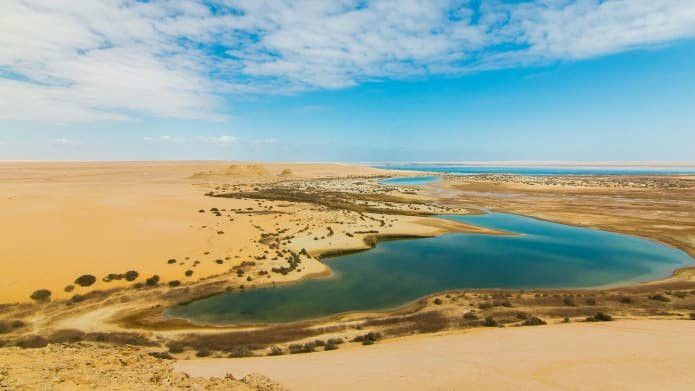
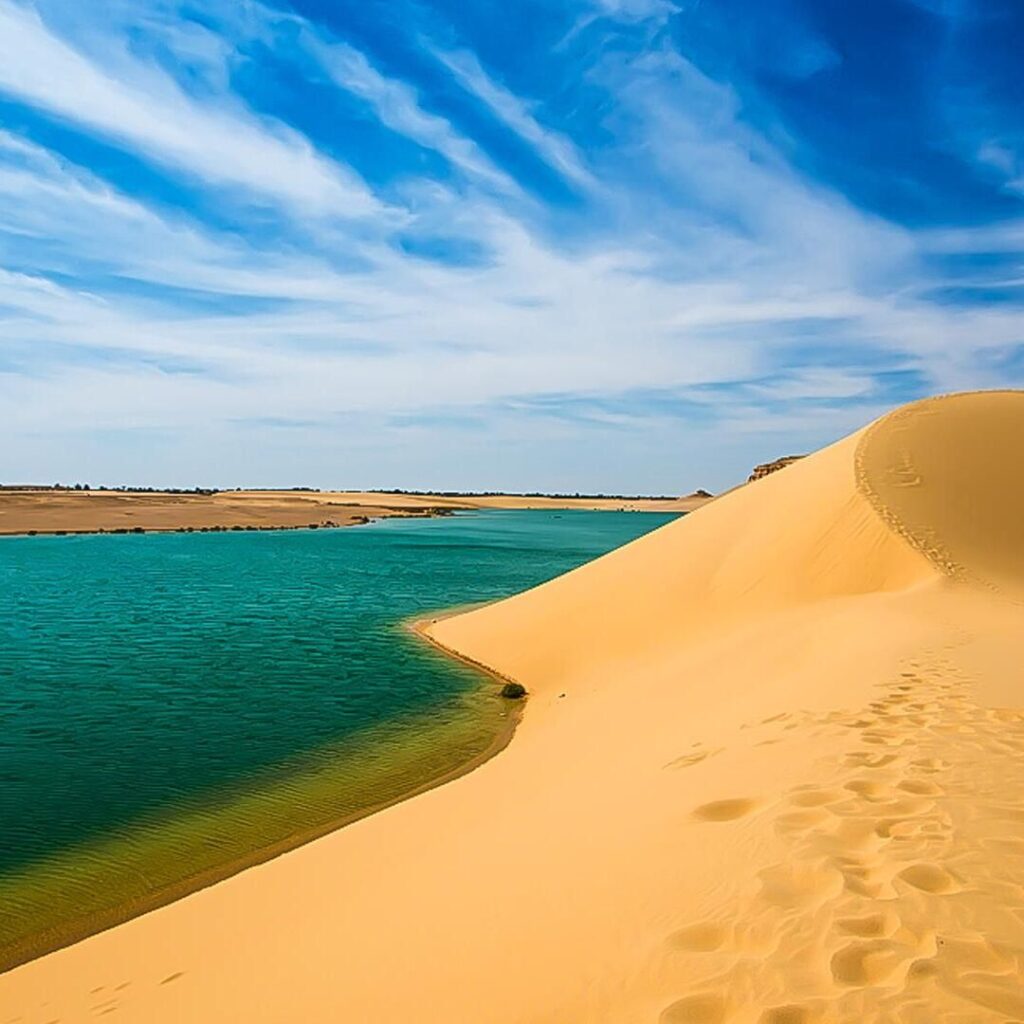
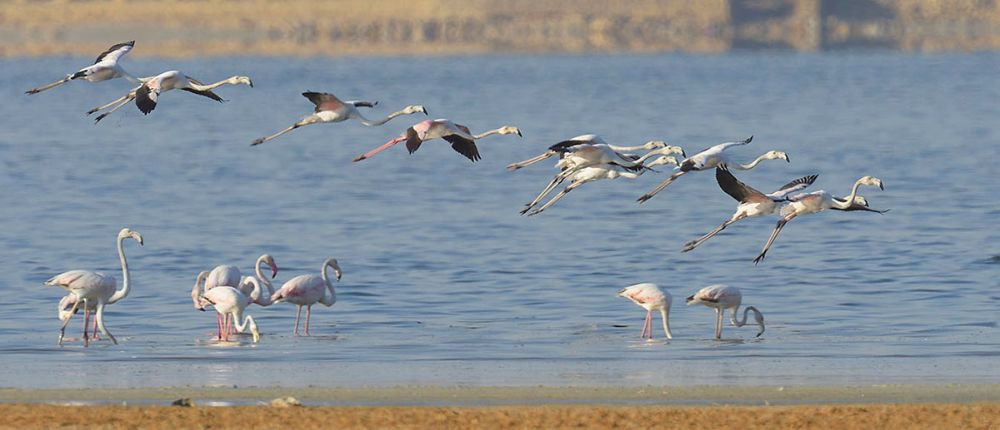
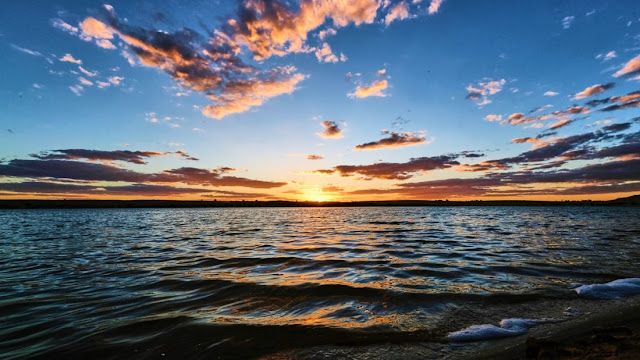
The sweeping, shimmering expanse of Lake Qarun stands as the definitive geographical and historical anchor of the Fayoum Oasis, offering luxury travelers a serene waterfront escape surrounded by thousands of years of human history. As one of the oldest natural lakes in the entire world, this magnificent body of water is the ancient remnant of the prehistoric Lake Moeris, which once filled the entire Fayoum depression. During the glorious Middle Kingdom, visionary pharaohs like Amenemhat III engineered an extraordinary system of canals and dykes to transform the lake into a massive, sophisticated reservoir that successfully regulated the annual Nile floods and turned the surrounding desert into an agricultural paradise. Today, walking along the peaceful shores of the lake provides global explorers with a stunning visual contrast between the deep blue waters and the dramatic, golden desert ridges that rise majestically on the northern horizon. The lake serves as a premier sanctuary for eco-tourism and birdwatching, drawing thousands of rare migratory birds—including elegant flamingos, wild ducks, and herons—during the winter months. For travelers seeking a sophisticated lakeside experience, the southern shore features charming boutique eco-lodges, premium open-air seafood restaurants, and relaxing sailing excursions. Spending an afternoon drifting across the calm waters of Lake Qarun at sunset allows you to connect deeply with the timeless, tranquil rhythms of an ecosystem that has sustained Egyptian civilization since the dawn of time.
2. Tunis Village: A Romantic Sanctuary of Contemporary Clay Artistry
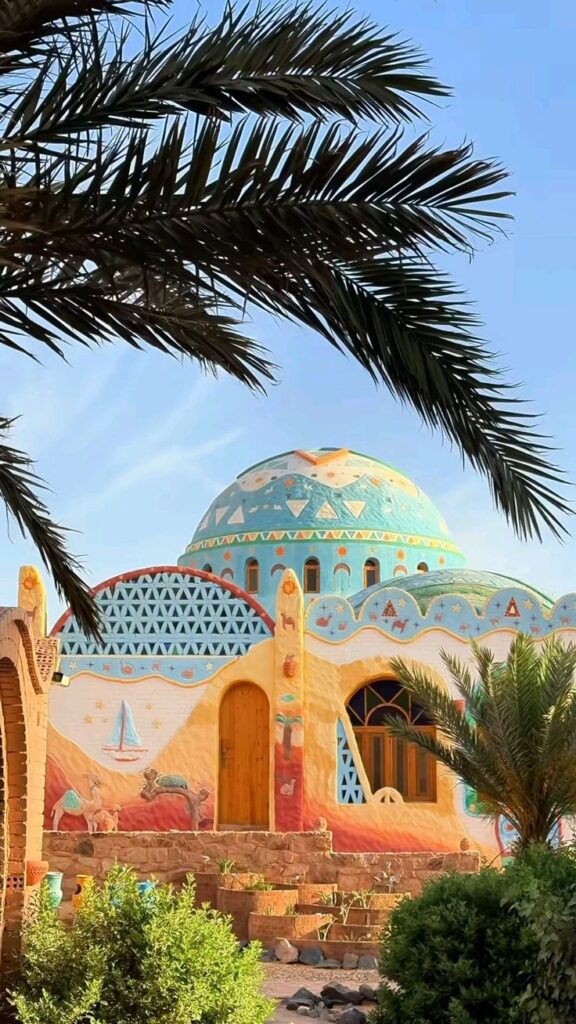
Perched gracefully on a sandstone hill overlooking the tranquil waters of Lake Qarun, Tunis Village has transformed into one of Egypt’s most celebrated cultural sanctuaries for contemporary art lovers and luxury eco-travelers. The story of this charming hamlet underwent a magical revolution in the late 1980s, when a passionate Swiss potter named Evelyne Porret visited the oasis and fell completely in love with its serene atmosphere and rich local clay. She established an innovative, community-focused pottery school that taught the village children the sophisticated techniques of manual clay sculpting, turning Tunis into a world-class hub of artistic craftsmanship. Today, walking through the village’s romantic, unpaved alleyways reveals a breathtaking landscape of traditional, mud-brick villas topped with elegant domes, vibrant bougainvillea flowers, and dozens of independent artisan ateliers. Visitors can step inside these sun-drenched studios to watch master local potters shape raw, organic clay into exquisite bowls, plates, and decorative tiles that feature beautiful hand-painted motifs of oasis wildlife, palm trees, and abstract desert patterns. This vibrant artistic environment makes Tunis Village an absolute paradise for conscious travelers seeking an authentic, creative encounter, allowing you to try your own hand at the potter’s wheel before enjoying a farm-to-table organic meal in a beautifully curated, rustic-chic open-air garden lounge.
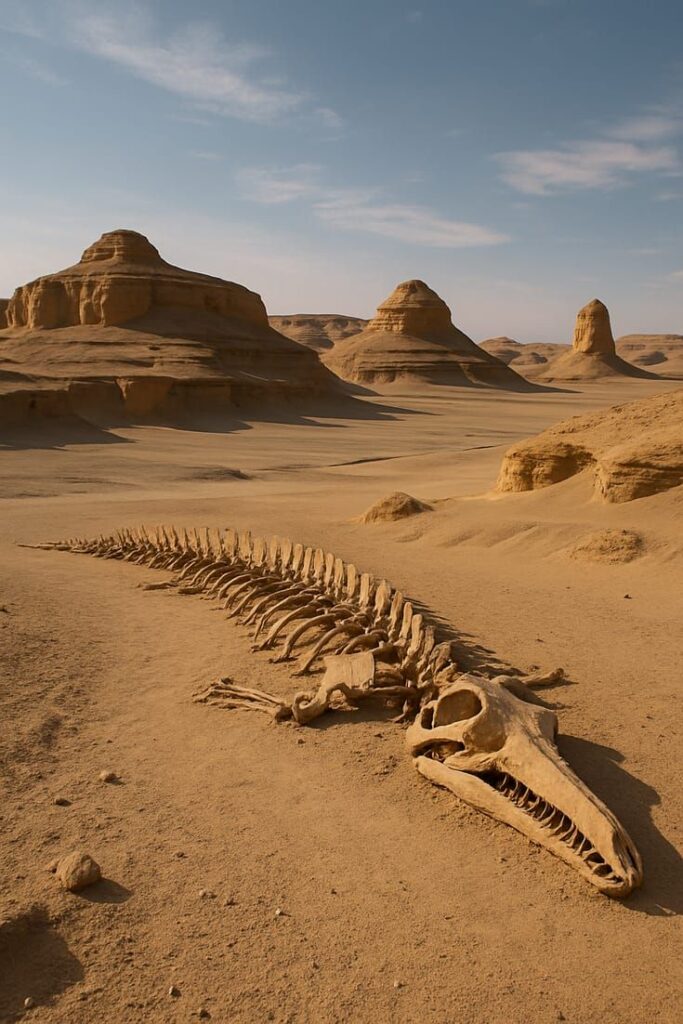
3. Wadi Al-Hitan: Journeying Back to the Dawn of Marine Evolution
Deep within the untamed desert expanses of the Fayoum Governorate lies Wadi Al-Hitan, or the Valley of the Whales, an extraordinary UNESCO World Heritage site that offers luxury adventurers a profound, unforgettable encounter with the history of our planet. This spectacular open-air museum contains hundreds of beautifully preserved, prehistoric fossils that reveal one of the greatest mysteries of natural evolution: the dramatic transformation of whales from land-dwelling mammals into ocean-bound giants. Walking along the carefully curated desert trails, surrounded by wind-sculpted sandstone rock formations that look like a futuristic landscape, visitors can marvel at intact, forty-million-year-old skeletons of the Basilosaurus and Dorudon. The most astonishing feature of these fossilized remains is the presence of distinct hind limbs, feet, and toes, providing scientists and global explorers with the definitive, physical proof of how these majestic creatures once walked the earth before conquering the ancient Tethys Ocean. The site features an award-winning, eco-friendly Climate Change and Fossils Museum, constructed seamlessly into the sand dunes using traditional local architecture, which beautifully explains the complex geological shifts of the region. Exploring this prehistoric valley with an expert private guide during the golden hour offers photographers unparalleled visual drama, transforming a desert hike into a deeply moving, educational expedition through the vast corridors of deep time.