
Welcome to

Gebel al-Mawta: The Eternal Sanctuary of Siwa’s Mountain of the Dead

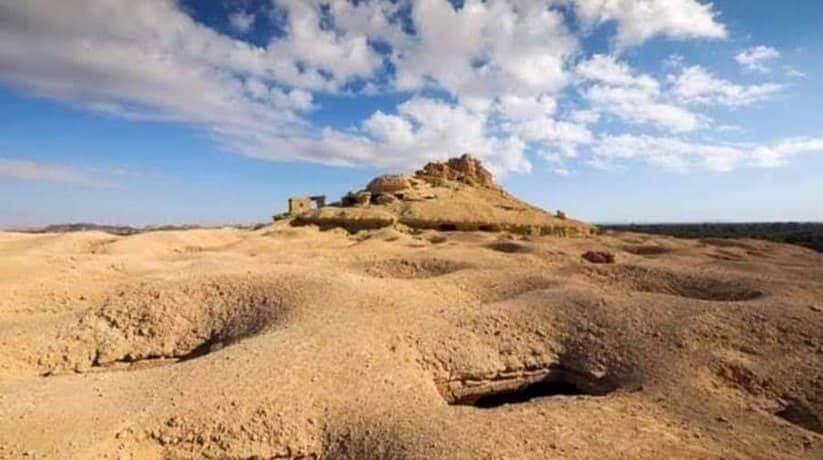
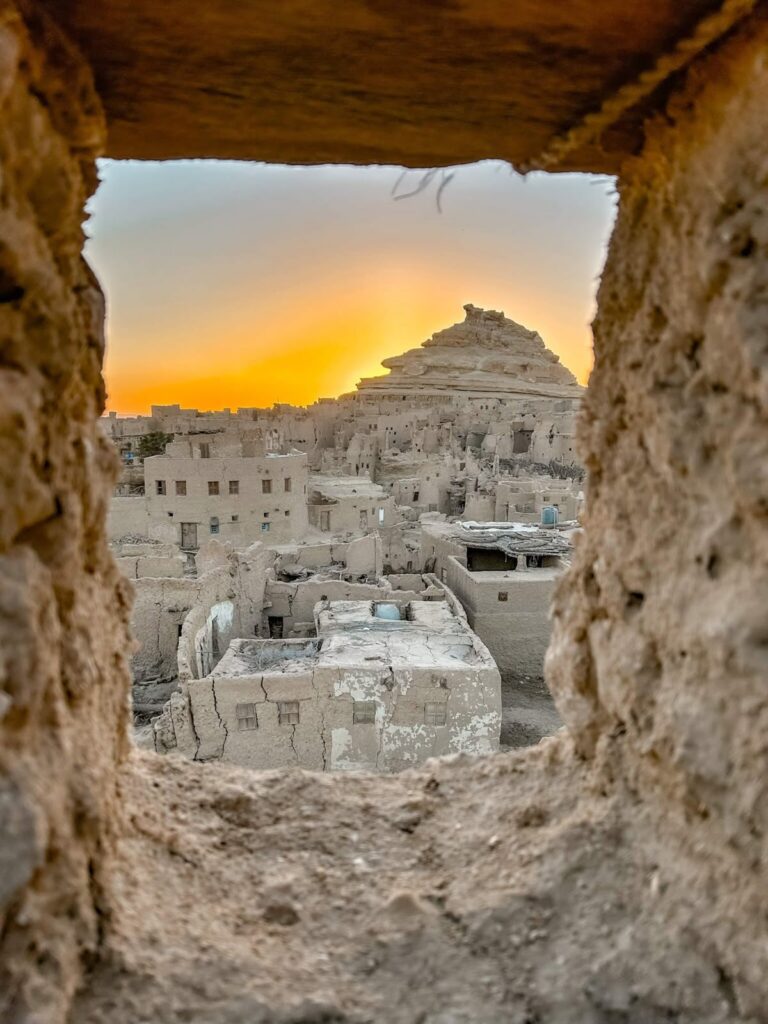
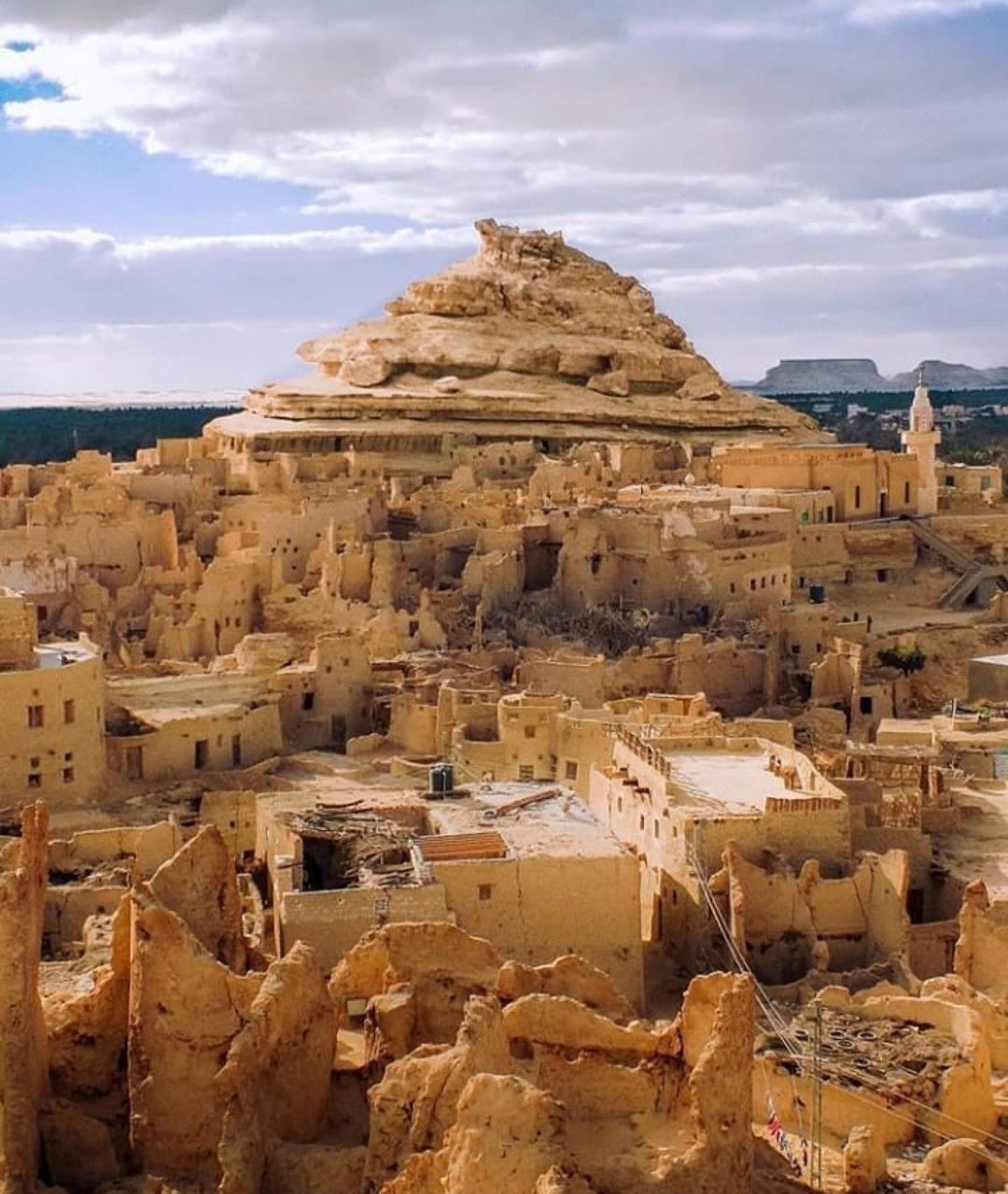
Nestled deep within the sun-drenched expanse of the Western Desert, where the golden sands of Egypt whisper ancient secrets to the wandering wind, lies the mythical Siwa Oasis. Siwa is a paradise suspended in time, celebrated for its emerald olive groves, crystalline salt lakes, and a surreal landscape that feels entirely detached from the modern world. Yet, beyond its breathtaking natural beauty and rich cultural heritage, this isolated sanctuary guards a realm of profound historical mystique. Rising dramatically against the desert horizon like a silent, calcified sentinel is one of Egypt’s most mesmerizing and hauntingly beautiful archaeological treasures: Gebel al-Mawta, universally known as The Mountain of the Dead. This conical limestone hill, honeycombed with countless rock-cut tombs, serves as a monumental bridge between the living world and the eternal afterlife of antiquity. It is not merely a geological formation; it is a vertical necropolis that encapsulates millennia of human faith, artistic brilliance, and historical evolution. For centuries, this sacred hill has captivated the imaginations of explorers, archaeologists, and intrepid travelers from around the globe. As you approach its base, the sheer scale of history carved into its slopes becomes overwhelming, offering an unforgettable journey back to the times of the Pharaohs, the Ptolemies, and the Romans. To step onto the rugged paths of Gebel al-Mawta is to step directly into a living canvas of ancient Egyptian history, where every cavernous opening tells a story of devotion, survival, and the timeless human quest for immortality. Prepare to embark on an extraordinary exploration of this enigmatic mountain, unraveling its architectural wonders, its sacred secrets, and the breathtaking panoramic vistas that make it an absolute crown jewel of Egyptian tourism.

1. A Geological Marvel: The Limestone Crown of the Oasis

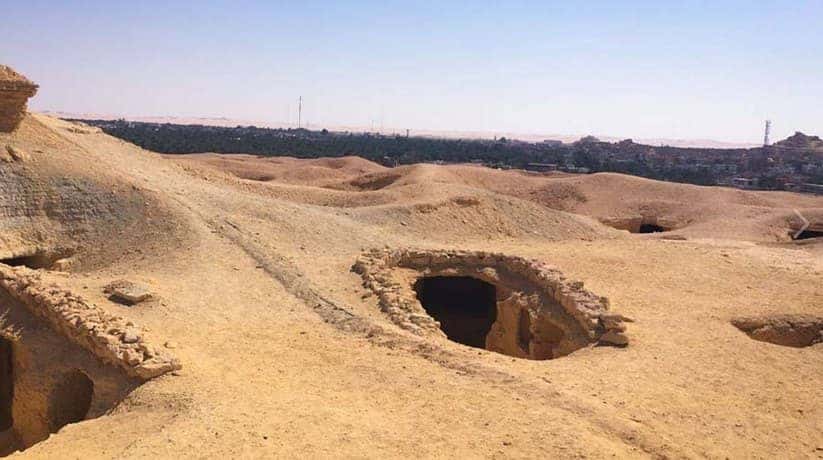
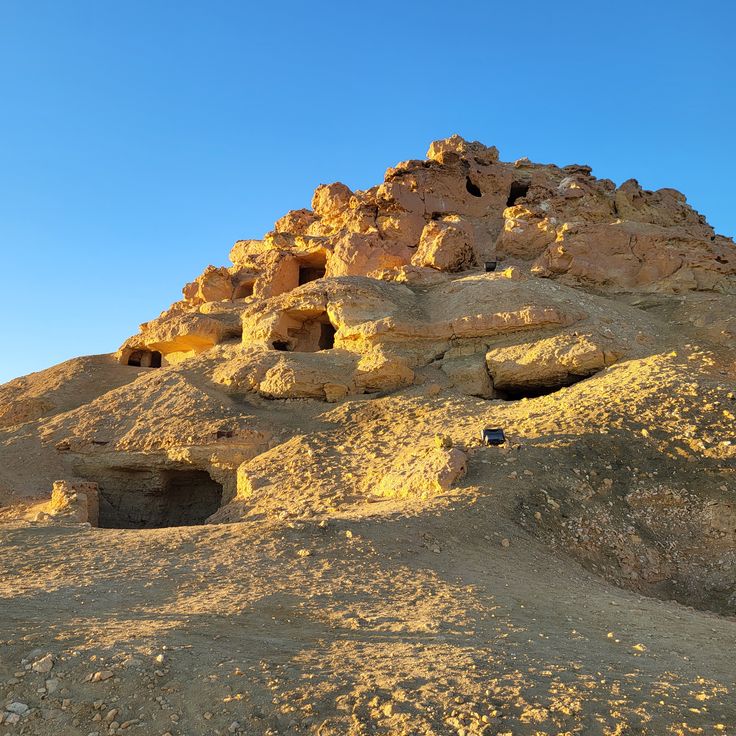
Before it ever became a sacred sanctuary for the departed, Gebel al-Mawta was a striking masterpiece crafted by the relentless forces of nature. Rising approximately fifty meters above the surrounding desert floor, this conical limestone hill commands absolute attention as it punctuates the otherwise flat, lush horizon of the Siwa Oasis. Geologically, the mountain is a fascinating formation composed entirely of soft, white limestone and marine fossils, standing as a silent testament to a prehistoric era when this arid desert was submerged beneath a vast primordial sea. Over millions of years, wind erosion and shifting desert climates sculpted this solitary mound, leaving behind a unique terrain that ancient humans found both structurally stable and spiritually profound. The porous yet sturdy nature of the limestone made it an ideal canvas for ancient engineers, who recognized that the hill could be easily hollowed out to create enduring chambers without risking catastrophic collapse. Visually, the mountain is a stunning contradiction; its rugged, pale surface is dramatically pocketed with hundreds of dark, cavernous openings, making it look from a distance like a colossal, multi-tiered honeycomb or a weathered fortress guarding the northern entrance of the oasis. As the harsh desert sun moves across the sky, the limestone shifts in color, transforming from a brilliant, blinding white at noon to a soft, warm amber during the golden hour of sunset. For modern geologists and travelers alike, the mountain is not just an archaeological site but a natural wonder, representing a flawless harmony between the raw, structural artistry of the Earth and the ambitious, spiritual architecture of ancient civilizations that sought to carve their legacy into the very bones of the desert.
2. The Birth of a Necropolis: Tracing the Ancient Origins

The historical narrative of Gebel al-Mawta is deeply intertwined with the shifting tides of Egypt’s monumental past, particularly during the twilight of Pharaonic rule and the dawn of Hellenistic influence. Archival and archaeological evidence suggests that while the mountain may have been utilized for minor burials during the late New Kingdom, its official transformation into a grand, organized necropolis began earnestly during the 26th Dynasty, an era often referred to as the Saite Renaissance. During this period, Siwa Oasis experienced a massive surge in strategic and religious importance, largely due to the rising international fame of the nearby Oracle of Ammon. As the local population grew wealthier and more deeply connected to mainland Egyptian religious practices, the desire for a sophisticated, prestigious burial ground became paramount. The elite of Siwan society looked to this majestic limestone hill, choosing it as the ultimate resting place where their souls could transition safely into the afterlife under the protective gaze of the gods. The mountain’s usage peaked dramatically during the Ptolemaic and subsequent Roman periods, spanning from the 4th century BCE to the 4th century CE. Throughout these centuries, the necropolis expanded exponentially, reflecting a fascinating cultural synthesis where traditional Egyptian mortuary beliefs beautifully blended with Greek artistic styles and Roman administrative customs. Generation after generation, families carved deeper into the hillside, turning the mountain into a densely packed metropolis for the dead. Today, walking through these ancient slopes allows visitors to trace the chronological evolution of an entire civilization, witnessing how a simple desert hill evolved over a thousand years into a sacred epicenter of eternal rest.
3. Rediscovery in the Shadow of War: A Sanctuary Reborn

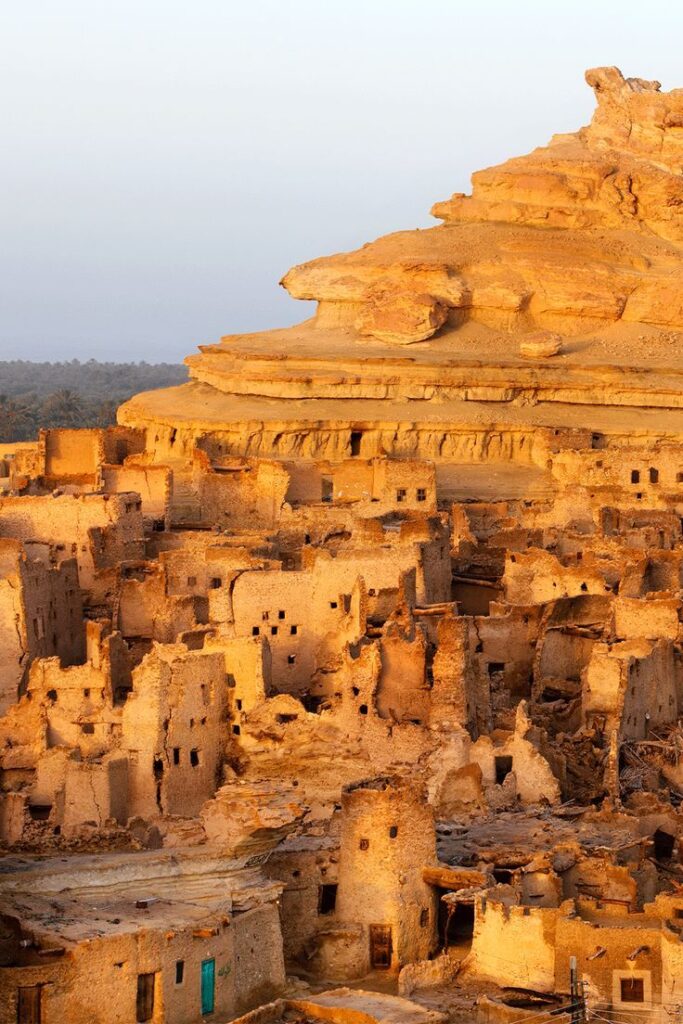
While the local Bedouins of Siwa had always been aware of the ancient caves honeycombing their landscape, the modern Rediscovery and global recognition of Gebel al-Mawta occurred under extraordinary and dramatic circumstances during the tumultuous years of World War II. In October of 1940, the tranquil isolation of the Siwa Oasis was abruptly shattered when it became a strategic target for intense aerial bombardment by Italian forces seeking to disrupt Allied positions in North Africa. Terrified by the sudden rain of fire from the skies, the entire indigenous population of Siwa sought immediate refuge from the devastating blasts. They fled to the only natural fortress capable of providing absolute protection: the deep, rock-cut tombs of Gebel al-Mawta. As hundreds of residents crowded into these ancient chambers for safety, their flashlights and digging tools accidentally uncovered sealed entrances, hidden walls, and buried treasures that had lain undisturbed for millennia. When the local citizens cleared away centuries of accumulated sand and debris to make room for their temporary shelters, they inadvertently stumbled upon breathtaking, vividly painted tomb walls, ancient mummies, and invaluable funerary artifacts. This accidental wartime excavation effectively transformed the mountain from a neglected local hill into an internationally acclaimed archaeological sensation overnight. When the war finally receded, the Egyptian Antiquities Department immediately recognized the immense cultural significance of the wartime discoveries. They launched official preservation campaigns to protect these newly exposed treasures, permanently cementing Gebel al-Mawta’s status as a world-class historical destination and proving that even in the darkest shadows of modern conflict, the wonders of the ancient world could be reborn.
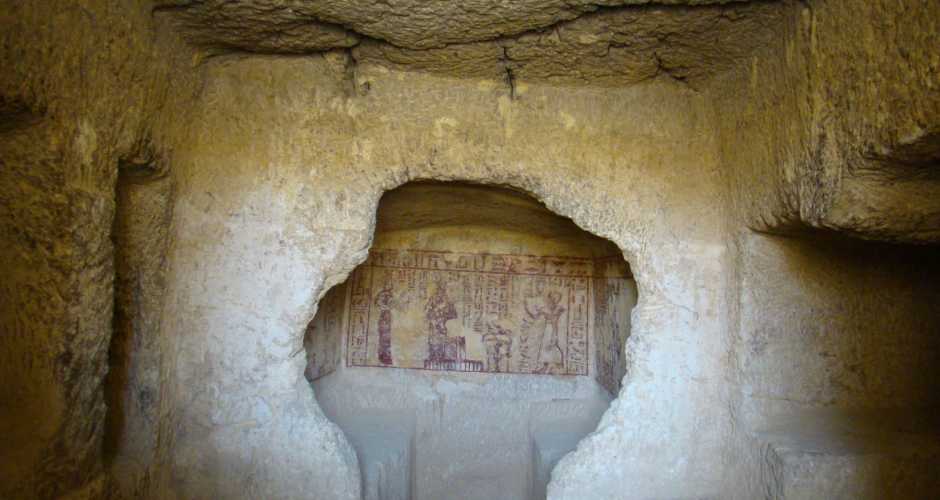
4. The Tomb of Si-Amun: The Crown Jewel of Desert Artistry

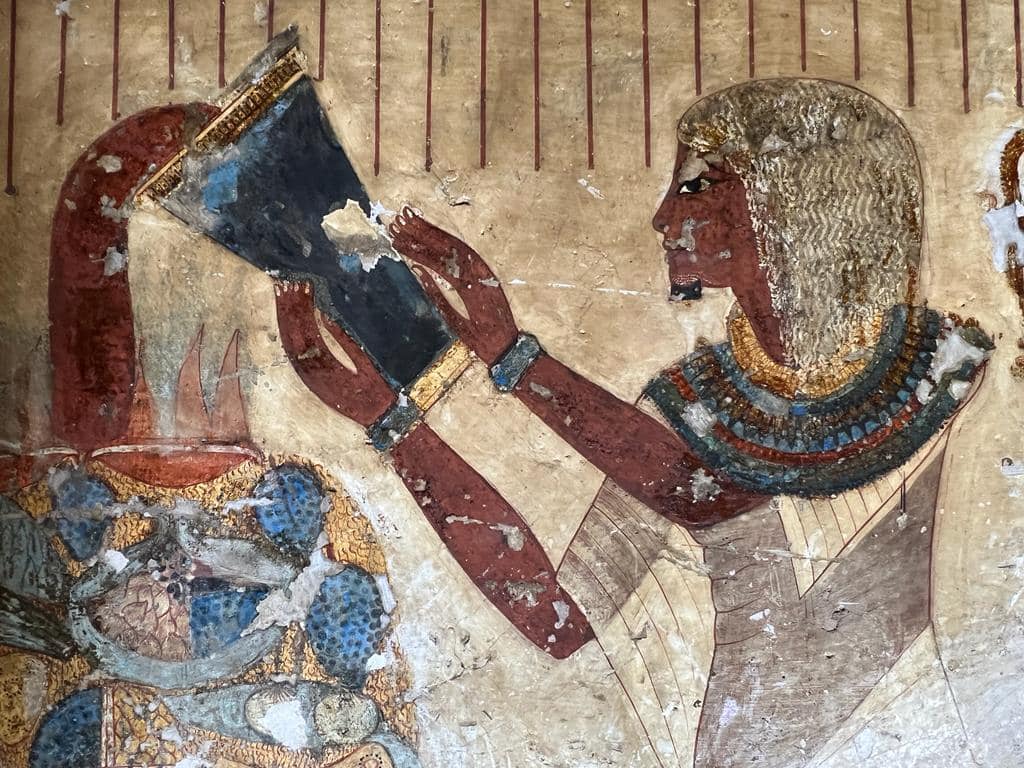
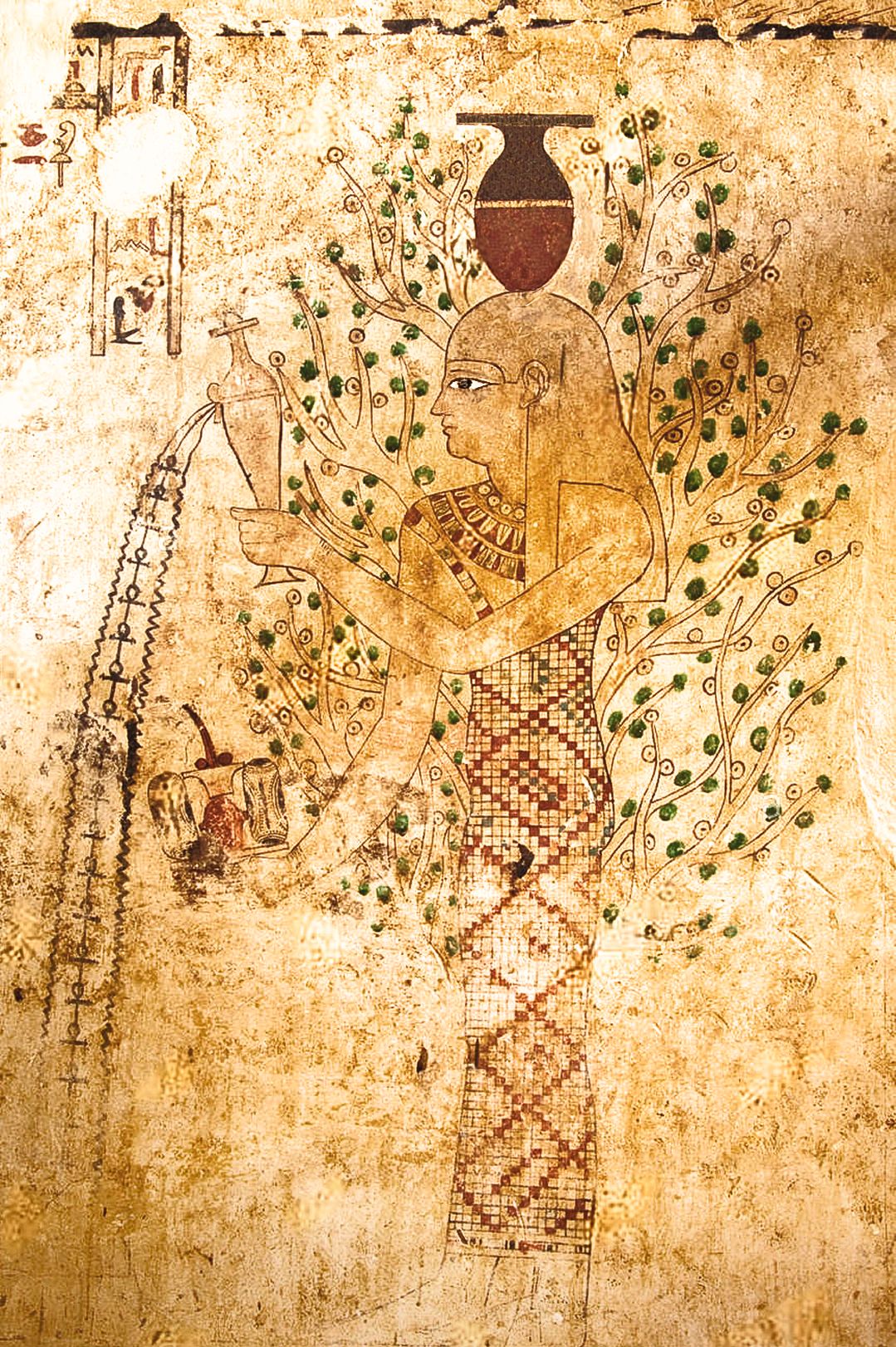
Among the thousands of chambers etched into the limestone heart of Gebel al-Mawta, the Tomb of Si-Amun stands unchallenged as the absolute masterpiece of the entire Western Desert. Dating back to the 3rd century BCE, this extraordinary subterranean sepulcher is believed to have belonged to a wealthy Greek-Egyptian merchant or landowner. While Si-Amun held no formal religious or political titles, his immense fortune allowed him to commission the finest artists from the Nile Valley to decorate his eternal home. The result is a breathtaking cultural and artistic synthesis, where traditional Egyptian spiritual iconography beautifully merges with the delicate naturalism of Hellenistic art. As visitors descend into this brilliantly painted tomb, they are greeted by remarkably vibrant murals that have defied the passage of centuries. The walls depict Si-Amun, portrayed with a distinct Greek curly beard and fair complexion, offering prayers and rich gifts to Egyptian deities such as Osiris, Anubis, and Isis. The ultimate crown jewel of this tomb, however, is painted upon its ceiling. Here, a magnificent, sprawling fresco depicts the sky goddess Nut swallowing the golden disk of the sun at dusk, only for it to travel through her starry body and be reborn at dawn. This powerful astronomical scene perfectly encapsulates the ancient Egyptian concept of life, death, and eternal cosmic resurrection. Though the tomb suffered minor damage during the Roman period and World War II—when soldiers unfortunately cut away fragments of the precious plaster—the surviving artwork remains exceptionally vivid, preserving its deep blue, yellow, and red pigments. For modern travelers, the Tomb of Si-Amun is not merely an archaeological monument; it is a profound testament to how love for Egyptian mythology transcended ethnic boundaries, creating one of the most mesmerizing, cross-cultural artistic legacies of the ancient Mediterranean world.

5. The Tomb of the Crocodile: A Mystical Encounter with Sobek

Deep within the subterranean labyrinth of Gebel al-Mawta lies one of the most enigmatic and symbolically intriguing burial chambers in the entire oasis: The Tomb of Niperpathot, popularly known as the Tomb of the Crocodile. Discovered during the wartime excavations of 1940, this unique sepulcher dates back to the late Ptolemaic period and has fascinated researchers due to its unusual religious iconography. The tomb consists of a long, narrow corridor leading to a main burial chamber, where the walls are adorned with yellow-painted inscriptions and vivid mythological sketches. The defining feature that gives this tomb its famous moniker is a striking, remarkably preserved painting of a large, green crocodile. In ancient Egyptian mythology, the crocodile represented Sobek, a powerful deity of fertility, military prowess, and pharaonic protection, closely tied to the life-giving waters of the Nile. Finding such prominent devotion to a water god in the heart of a hyper-arid desert oasis is highly unusual and deeply significant. Archaeologists believe that the tomb’s owner, a local dignitary, included this fierce reptile to serve as an ultimate, terrifying guardian of his soul, ensuring that no evil forces could disrupt his journey through the underworld. While the artistic execution here is more rustic and local compared to the refined elegance of Si-Amun’s tomb, the raw spiritual energy and distinctive color palette make it unforgettable. Exploring this chamber gives visitors a rare, intimate glimpse into the localized religious adaptations of the Siwan people, showing how they blended mainstream Egyptian beliefs with their unique desert reality to secure eternal peace.

6. The Tomb of MSW-Isis: An Unfinished Journey Through Time

Offering a fascinating and rare glimpse into the practical craftsmanship of ancient Egyptian artists, the Tomb of MSW-Isis stands out as a brilliant chronological puzzle. This captivating tomb belongs to a wealthy resident named MSW-Isis and is renowned for its architectural layout, featuring a grand, pillared entrance that leads into a beautifully structured cross-shaped chamber. What makes this particular tomb an absolute treasure for historians and tourists alike is that it was left partially unfinished at the time of its owner’s sudden death. Walking through its entrance is akin to stepping behind the scenes of an ancient art studio. On several walls, visitors can admire completed, brilliantly colored paintings of the goddess Isis standing gracefully beneath a protective winged canopy, her rich red and deep blue pigments still radiant after thousands of years. However, on the adjacent walls, the finished artwork abruptly gives way to preliminary red-ink sketches and grid lines drawn by the master scribes. These faint outlines reveal the exact geometric formulas and artistic canons used to ensure perfect human proportions before the stone was carved or painted. This striking contrast between completion and preparation offers an incredibly rare educational experience, illustrating the step-by-step creative process of artists who worked over two millennia ago. The Tomb of MSW-Isis serves as a poignant reminder of the fragility of human life, freezing a specific moment in ancient history and transforming a sacred burial space into a living museum of classical artistic methodology.

7. The Tomb of Dr. Nyperpathot: The Scholar’s Eternal Resting Place

As visitors navigate the winding, rocky paths near the upper ridges of Gebel al-Mawta, they will encounter the deeply sophisticated Tomb of Dr. Nyperpathot, an exceptionally large and complex burial site that underscores the advanced social hierarchy of ancient Siwa. Dating back to the prosperous 26th Dynasty, this multi-roomed sepulcher belonged to a highly revered individual who served as both a chief physician and a high priest of the goddess Mut. The sheer size of the tomb, carved deep into the mountain’s finest limestone layer, reflects the immense prestige and wealth associated with the medical profession in antiquity. The tomb is uniquely structured with a wide courtyard, a grand reception hall, and multiple deep burial shafts designed to house the doctor and his immediate family members. The walls are adorned with elegant, dark blue hieroglyphic inscriptions containing complex medical-religious incantations and traditional prayers from the Book of the Dead, meant to heal the soul and protect it from afterlife perils. Though time and historical looting have stripped the tomb of its original gold leaf decorations and precious amulets, the architectural grandeur remains completely intact. The masterful alignment of the chambers to capture the soft morning light reveals a sophisticated understanding of engineering. For modern travelers, standing within the silent, cool halls of Dr. Nyperpathot’s eternal resting place offers a profound connection to the intellectual elite of the ancient world, honoring a man who spent his mortal life healing the living and his eternity guarding the sacred traditions of the dead.

8. Architectural Mastery: Engineering the Limestone Underworld

Beyond the artistic brilliance displayed on the painted walls, Gebel al-Mawta stands as a monumental triumph of ancient engineering and architectural ingenuity. The thousands of tombs honeycombing the mountain were not haphazardly dug; rather, they represent a highly structured, meticulously planned urban design for the dead. Ancient Siwan architects possessed a profound, intuitive understanding of geology and structural mechanics. They carefully analyzed the limestone layers of the hill, strategically selecting specific strata that were soft enough to be carved with bronze and iron chisels, yet dense enough to support massive weight without collapsing. The standard architectural blueprint of a Siwan tomb typically began with a vertical or stepped entrance shaft cut directly into the rock face. This led downward into a central rectangular atrium, or courtyard, which acted as the spiritual and functional heart of the sepulcher. Branching off from this central hall were smaller, deeply recessed chambers known as loculi, designed specifically to receive the mummified bodies of the deceased and their accompanying funerary treasures. To maximize the limited space within the mountain, engineers utilized a sophisticated multi-tiered system, carving tombs directly on top of one another in neat, terraced rows without ever compromising the structural integrity of the mountain. Furthermore, the precise alignment of many tomb entrances to face the rising or setting sun demonstrates a deep knowledge of astronomy, ensuring that the deceased remained harmoniously aligned with the cosmic cycles of rebirth. This seamless blend of raw geological awareness and master craftsmanship transformed a rugged desert hill into an architectural masterpiece that has stood completely unshaken for over twenty-five centuries.

9. The Rituals of Eternity: Mummification and Mortuary Cults

The physical structure of Gebel al-Mawta provides an extraordinary window into the complex spiritual rituals, mummification processes, and mortuary cults that defined ancient Siwan society. For the inhabitants of the oasis, death was never viewed as a tragic end, but rather as a profound, beautiful transition into a glorious, eternal existence. To ensure the soul’s successful journey through the underworld, the preservation of the physical body through meticulous mummification was absolutely paramount. Local embalmers utilized natural salts gathered from Siwa’s abundant salt lakes, combining them with imported resins, cedar oils, and aromatic desert herbs to carefully preserve the deceased. Once the mummification process was complete, the bodies were wrapped in layers of fine linen and placed inside beautifully decorated wooden or stone sarcophagi. The funeral procession would then wind its way up the rocky slopes of the mountain, accompanied by professional mourners, priests chanting sacred incantations, and family members carrying rich offerings of food, wine, pottery, and jewelry. Once inside the tomb, regular mortuary cult rituals were established, where living descendants would return during major religious festivals to leave fresh offerings at the tomb entrances. These rituals maintained a perpetual, sacred bridge between the living family and their ancestral spirits. Exploring the deep burial shafts of the mountain today allows visitors to vividly imagine these ancient ceremonies, understanding how a profound devotion to cosmic harmony and familial love shaped every single stone and chamber within this magnificent desert necropolis.

10. The Panoramic Vista: Looking Out from the Summit of Death

While the interior chambers of Gebel al-Mawta hold the mesmerizing secrets of antiquity, the summit of the mountain offers an entirely different, breathtaking sensory experience that captivates every modern traveler. Climbing the winding, rugged path to the very top of the fifty-meter limestone hill rewards adventurers with one of the most stunning and dramatic panoramic vistas in all of Egypt. From this elevated vantage point, the striking contrast of Siwa’s unique geography unfolds in spectacular, 360-degree glory. To one side, the eye is treated to a mesmerizing, endless sea of vibrant emerald green, where hundreds of thousands of date palms and olive groves stretch across the desert floor like a lush, living carpet. In the distance, the brilliant, shimmering turquoise waters of the natural salt lakes gleam intensely under the desert sun, creating a surreal, mirage-like illusion. Turning your gaze toward the horizon, the absolute vastness of the Great Sand Sea becomes visible, with its towering, golden dunes rolling infinitely into the distance. The cool, refreshing desert breeze that sweeps across the summit provides a welcome relief, carrying the faint, sweet scent of mint and palm blossoms from the oasis below. Standing on this historic peak, where the silent city of the dead directly overlooks the vibrant, thriving oasis of the living, offers a deeply spiritual and meditative experience. It is the perfect spot for photographers and dreamers alike to pause, reflect, and witness the timeless, breathtaking harmony of nature and history.

11. Preservation and Tourism: Safeguarding a Desert Legacy

In the modern era, Gebel al-Mawta has transitioned from a hidden archaeological wonder into a globally recognized focal point for sustainable cultural tourism, requiring immense dedication to preservation. The delicate nature of the soft limestone rock, combined with the shifting desert sands and the humidity generated by thousands of eco-tourists, poses continuous conservation challenges. To safeguard this priceless global heritage, the Egyptian Ministry of Tourism and Antiquities, in close collaboration with international archaeological institutions, has implemented strict preservation protocols. Specialized teams of restorers work meticulously to consolidate the fragile limestone walls, clean centuries of soot from the painted murals, and install advanced, low-heat LED lighting systems inside the tombs to protect the ancient pigments from fading. Wooden walkways and protective glass barriers have been carefully integrated into the most famous chambers, such as the Tomb of Si-Amun, allowing visitors to appreciate the brilliant artwork up close without causing physical wear. Furthermore, local Siwan guides, who possess an innate, generational connection to the mountain, are trained extensively in sustainable tourism management. They ensure that visitors respect the sacred nature of the site while sharing captivating oral histories that enrich the educational experience. These combined efforts guarantee that Gebel al-Mawta remains beautifully preserved, balancing the thrill of global exploration with the absolute necessity of historical protection for generations to come.

12. Practical Guide: Embarking on Your Journey to the Afterlife

Planning a journey to the mystical heights of Gebel al-Mawta requires a bit of practical preparation to ensure a seamless and unforgettable travel experience. Located just one kilometer north of Siwa’s vibrant town center, Shali, the mountain is easily accessible by a short, scenic walk, a quick bicycle ride, or a traditional horse-drawn carriage known locally as a Kareta. The site is officially open to visitors daily from early morning until sunset. To truly capture the magical essence of the mountain, the absolute best times to visit are during the early morning hours, when the air is crisp and the soft sunlight illuminates the tomb entranceways, or during the late afternoon, when the fading sun bathes the entire limestone hill in a warm, golden glow. Visitors are highly encouraged to wear comfortable, sturdy walking shoes to safely navigate the steep, uneven gravel paths leading to the summit, and to carry a reliable flashlight to illuminate the deeper, darker corners of the unlit rock chambers. While exploring, it is crucial to hire a certified local Siwan guide at the entrance gate; their deep, generational storytelling and profound knowledge of the specific tomb histories will elevate your visit from a simple sightseeing tour into a deeply immersive historical adventure. Additionally, travelers should remember to bring plenty of water, wear sun protection, and strictly respect the photography guidelines inside the painted tombs to help preserve the ancient colors. By keeping these practical tips in mind, your expedition to the Mountain of the Dead will undoubtedly stand out as a profound, magical highlight of your Egyptian travel itinerary.

Gebel al-Mawta : Frequently Asked Questions

Gebel al-Mawta, or the Mountain of the Dead, is a premier archaeological site in the Siwa Oasis that served as a monumental necropolis from the late Pharaonic era (26th Dynasty) through the Ptolemaic and Roman periods. Honeycombed with hundreds of rock-cut tombs, it stands as a unique cultural bridge where traditional Egyptian mortuary beliefs and artistic styles beautifully synthesized with Hellenistic and Roman traditions over a span of nearly a thousand years.

While local Bedouins always knew of the mountain’s caves, its global archaeological rediscovery occurred unexpectedly during World War II in October 1940. When Italian forces bombed the Siwa Oasis, the entire local population fled to the ancient tombs for shelter. While clearing away sand and debris to create temporary living spaces, the residents accidentally unearthed sealed entrances, vibrant wall murals, and ancient artifacts, bringing the site to international attention.

While the hill contains thousands of burial chambers, four tombs stand out as absolute masterpieces:

  • The Tomb of Si-Amun: Renowned for its breathtaking, cross-cultural murals and a magnificent ceiling fresco of the sky goddess Nut.

  • The Tomb of the Crocodile: Famous for its symbolic, vivid painting of the deity Sobek.

  • The Tomb of MSW-Isis: Noted for its unfinished grid lines, offering a rare look into ancient artistic methods.

  • The Tomb of Dr. Nyperpathot: A grand, multi-roomed sepulcher belonging to a high-ranking ancient physician.

The site is open daily from early morning until sunset and is located just one kilometer north of Siwa’s town center (Shali). You can easily reach it by walking, riding a bicycle, or taking a traditional horse-drawn carriage (Kareta). The best times to explore are early morning, when the temperatures are cooler, or late afternoon, when the setting sun turns the limestone hill into a spectacular, golden photo opportunity.

Visitors are highly encouraged to wear sturdy, comfortable walking shoes to handle the steep, rocky paths leading up the mountain. It is also recommended to bring a small flashlight to illuminate the unlit corners of the deeper chambers, plenty of water, and sun protection. Lastly, hiring a local Siwan guide at the entrance is highly recommended to fully appreciate the rich storytelling and history of the tombs.