
1. From Isolated Island to Modern Peninsula: Tracing the Geography of Fatnas
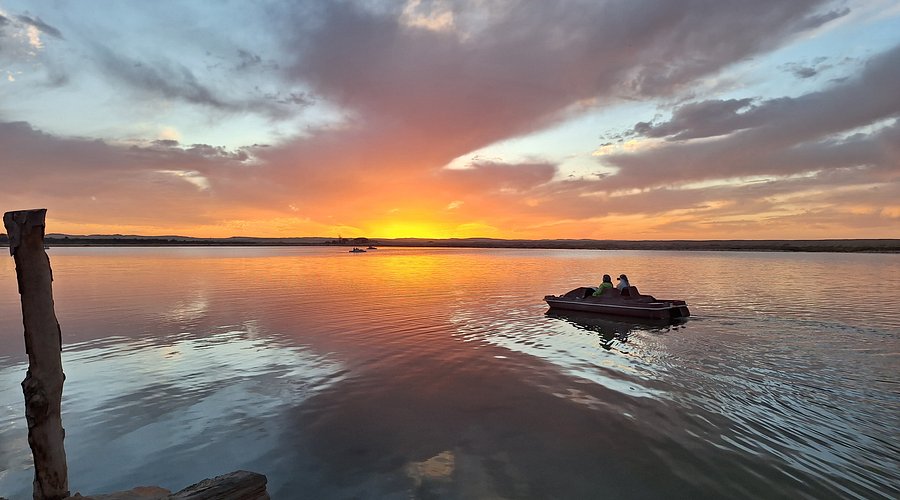
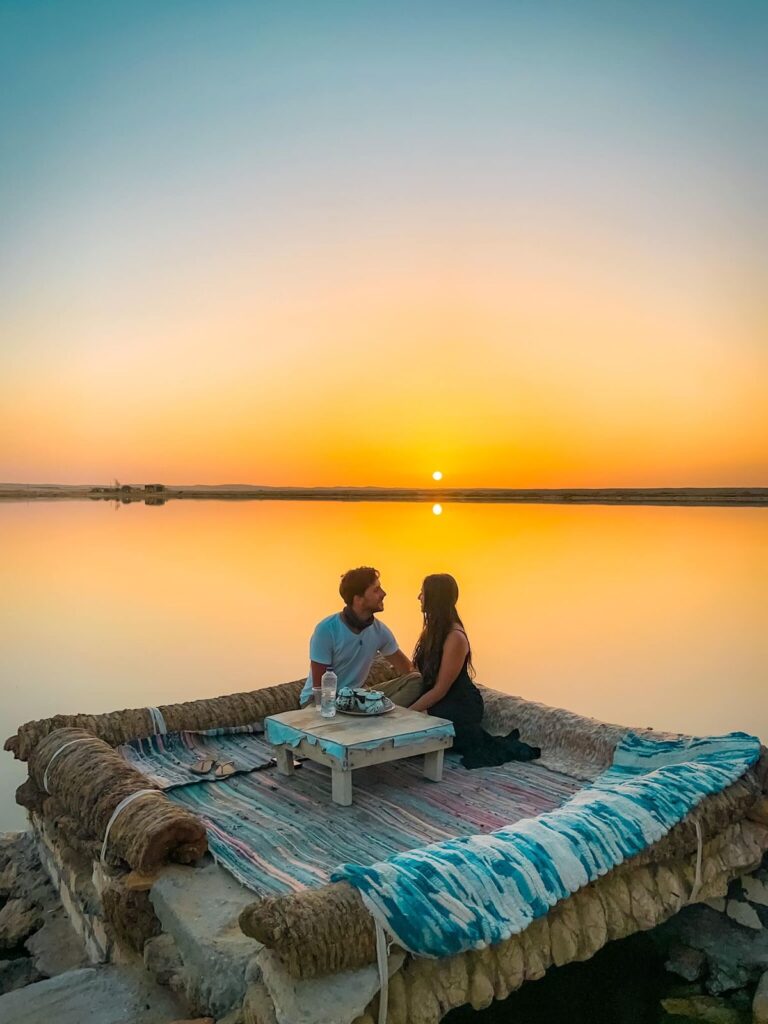
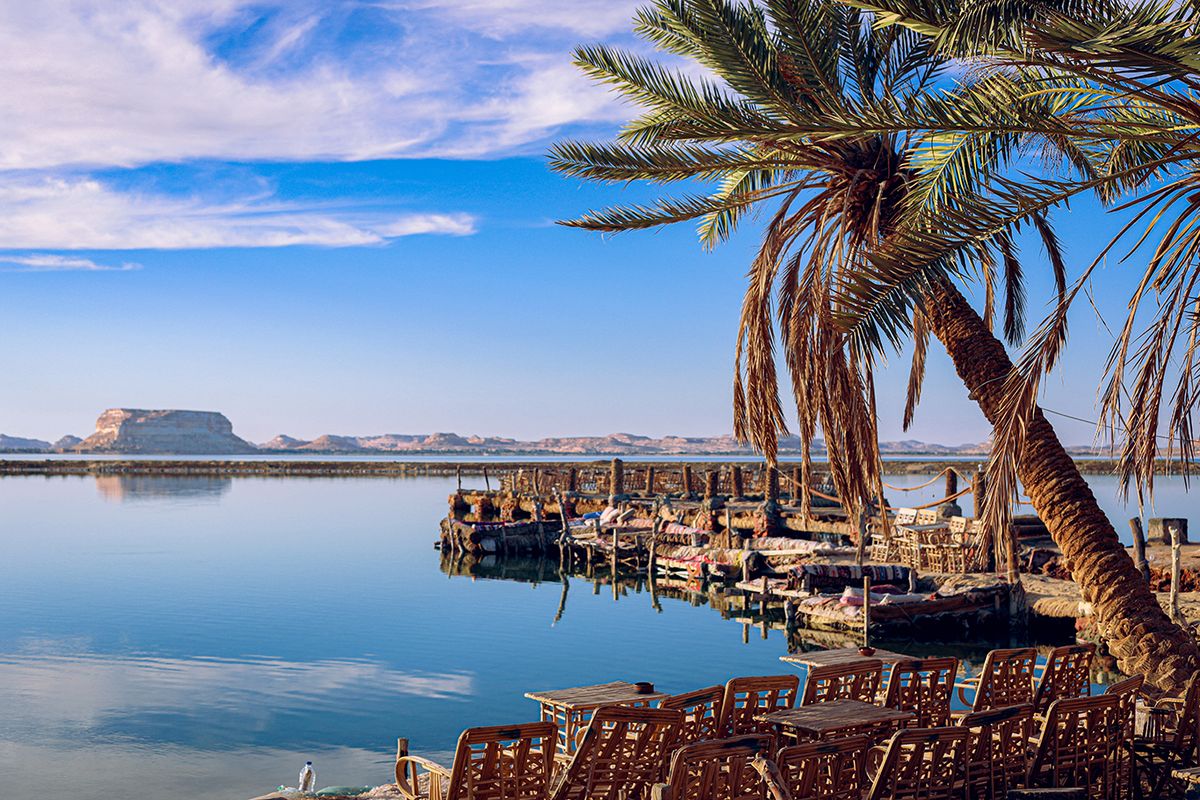
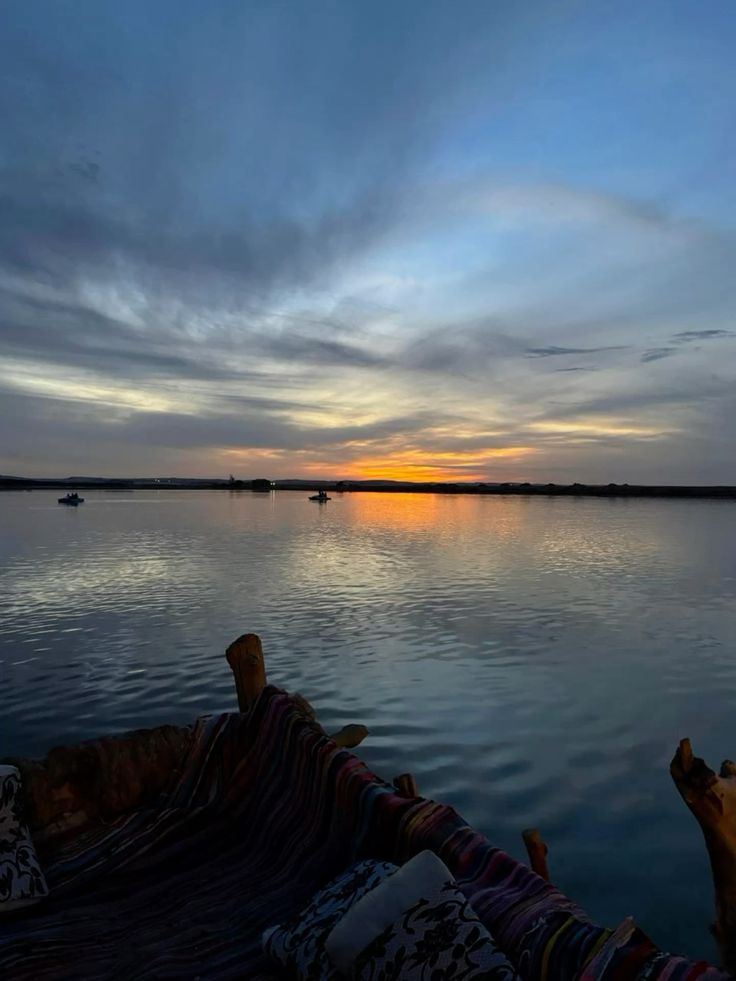
To appreciate the enchanting layout of Fatnas Island, one must first explore its fascinating geographic evolution within the hydro-geological system of the Siwa Oasis. For centuries, Gezirat Fatnas was a true, isolated island sitting gracefully in the western salt basin of Lake Siwa, completely detached from the mainland. Historically, reaching this tropical oasis-within-an-oasis required a short, romantic voyage across the hyper-saline waters using traditional wooden rowboats crafted by local Siwan fishermen. However, as modern eco-tourism began to flourish in the region, a narrow, scenic earthen causeway was carefully constructed to link the island directly to the mainland. This eco-friendly roadway allows modern travelers to effortlessly access the sanctuary on foot, by bicycle, or via a traditional horse-drawn carriage (Kareta). Despite this physical connection, Fatnas has miraculously preserved its distinct, island-like atmosphere of profound isolation and pristine natural beauty. Surrounded on three sides by the shimmering, crystalline waters of the salt lake, the peninsula remains physically and energetically sheltered from the bustling sounds of the modern town center, acting as a protected sanctuary where nature entirely dominates the landscape.
2. The Emerald Canopy: Exploring the Lush Flora of the Peninsula
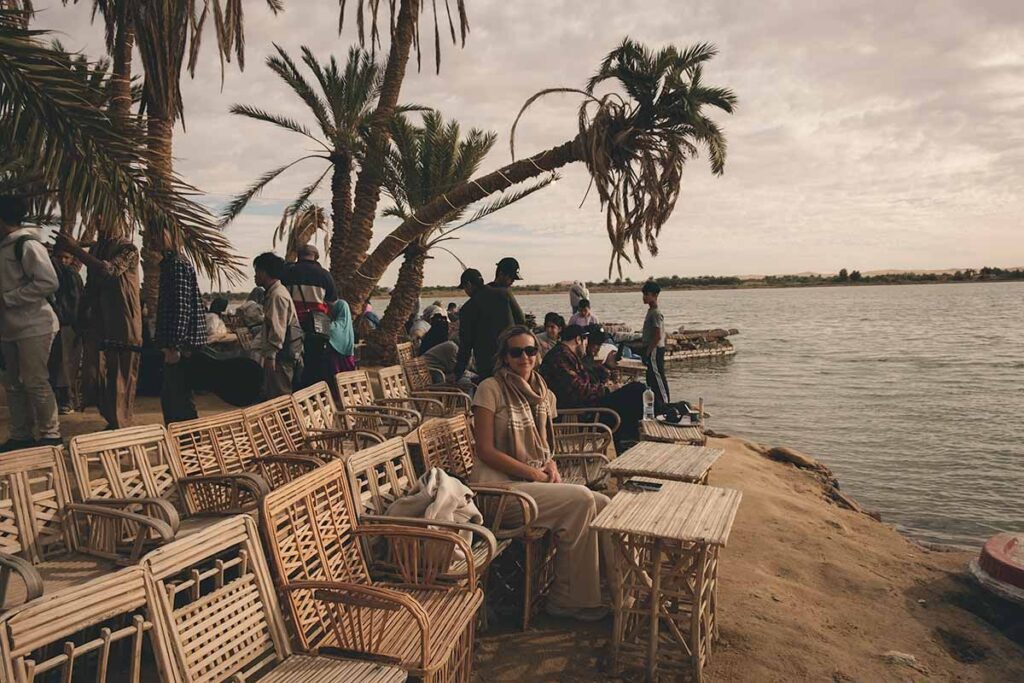
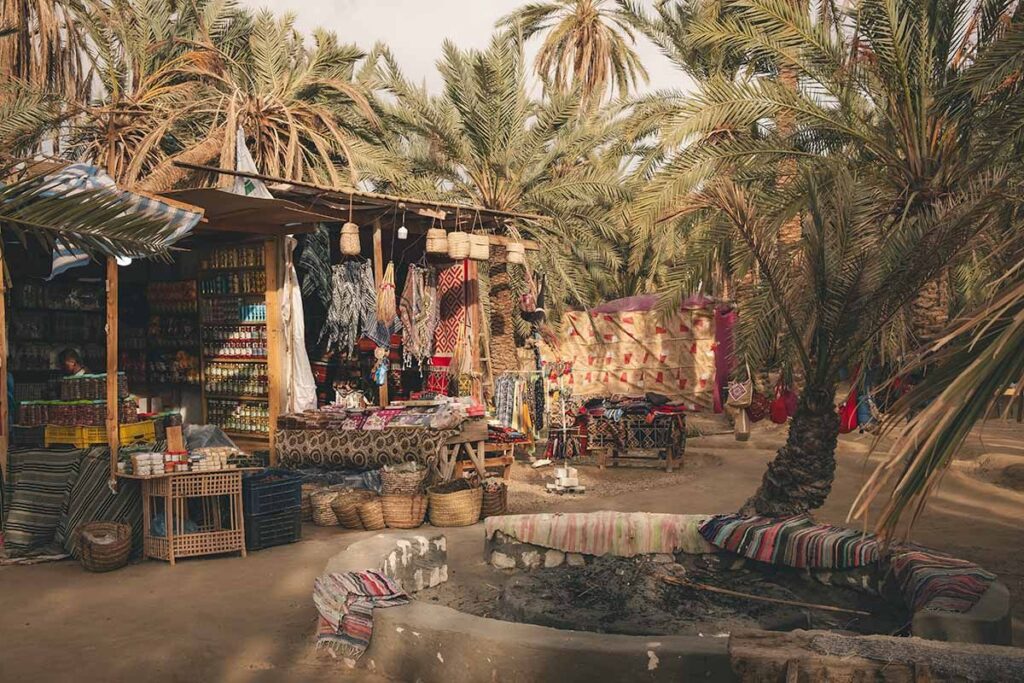
Stepping onto the fertile soil of Fatnas Island rewards travelers with an immediate sensory explosion of lush, vibrant greenery that stands in stark, dramatic contrast to the pale, arid sands of the surrounding Western Desert. The peninsula is completely blanketed by a dense, magnificent emerald canopy consisting of tens of thousands of mature date palms and ancient, twisted olive orchards. These trees are not merely decorative; they form the very agricultural backbone of traditional Siwan life, nourished by the rich, fertile soil and the abundant freshwater springs bubbling up from beneath the island’s surface. Walking along the shaded, winding paths beneath these towering palms feels akin to entering a primordial, tropical jungle where the desert air becomes instantly cooler, crisp, and richly oxygenated. Interspersed among the palm groves are wild banana trees, sweet citrus bushes, and fragrant desert flora that release a delicate, soothing perfume into the gentle breeze. This rich, self-sustaining ecosystem serves as a vital environmental shield, blocking the harsh desert winds and creating a tranquil microclimate that offers a deeply therapeutic, cooling refuge for weary global travelers seeking to escape the intense afternoon sun.
3. The Healing Waters: The Ancient Freshwater Spring of Fatnas
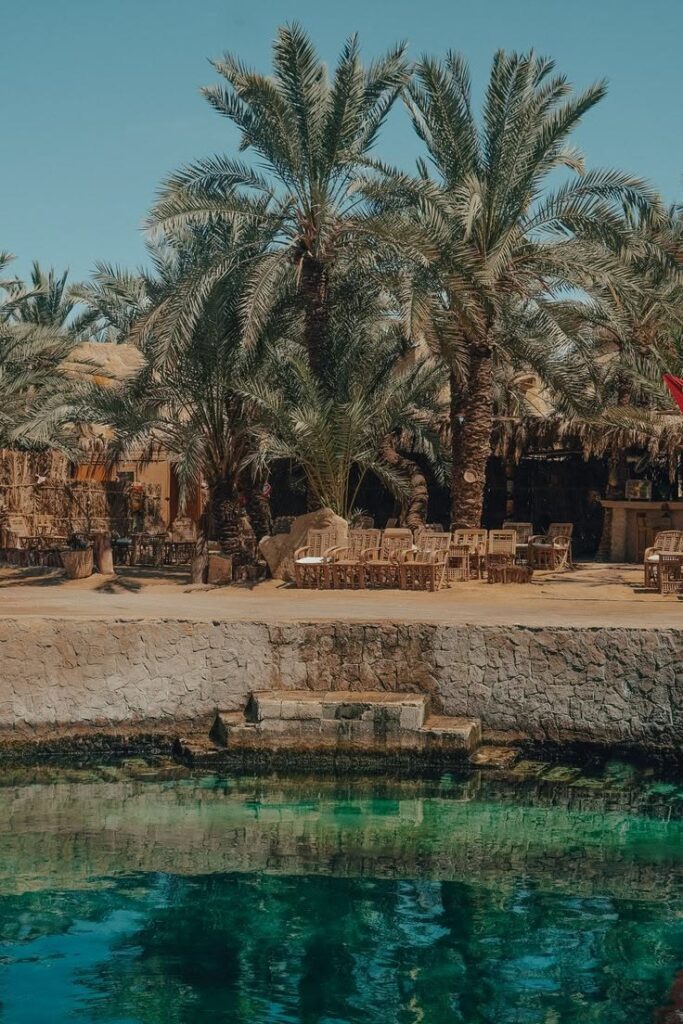
At the very heart of Fatnas Island lies one of its most environmentally significant and culturally beloved features: the ancient, circular freshwater spring known locally as Ain Fatnas. This natural artesian pool is a true geological marvel, continually pumping crystal-clear, mineral-rich thermal water from deep within the subterranean limestone aquifers of the Sahara Desert. The spring is beautifully enclosed by a rustic, traditional stone ring, creating a picturesque, natural swimming pool right on the edge of the vast salt lake. Interestingly, while the surrounding lake water is highly saline and uninhabitable, the water inside Ain Fatnas is completely fresh, pure, and rich in natural minerals that are highly celebrated for their therapeutic and skin-healing properties. For generations, this natural pool has served as a joyful gathering place for local Siwan youth and weary desert travelers, who plunge into its cool, refreshing waters to rejuvenate their bodies after a long day of desert exploration. Sitting on the edge of this historic stone spring, listening to the gentle bubbling of the water while watching the surrounding palm trees reflect perfectly across its glass-like surface, offers an unforgettable encounter with the true life-giving magic of oasis hydro-geology.