
The Importance of Education in Ancient Egyptian Society
Education played a fundamental role in Ancient Egyptian Society because it provided the knowledge and skills required to manage one of the most organized civilizations of the ancient world. The Ancient Egypt Education System was closely connected to government, religion, economy, and social development. Through education, Egyptians created generations of skilled individuals who supported the administration of the kingdom and preserved important cultural traditions.
The ability to read and write was highly valued in Ancient Egypt because written records were essential for controlling resources, organizing labor, collecting taxes, and maintaining communication throughout the kingdom. Since Egypt was a large centralized state, officials needed accurate records to manage agricultural production, trade, construction projects, and government activities. Educated people, especially scribes, became some of the most respected members of society because their skills were necessary for the functioning of the state.
Education also helped preserve Egyptian culture and religious beliefs. Students learned about traditions, myths, moral values, and sacred texts that connected them with their ancestors. Temples played a major role in protecting knowledge because priests recorded and preserved religious writings, medical information, astronomical observations, and historical accounts.
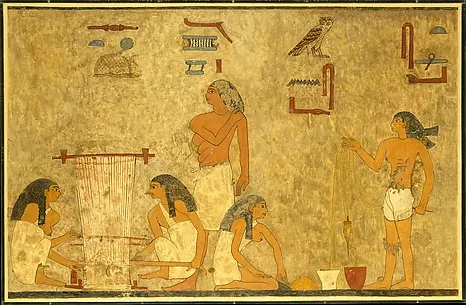
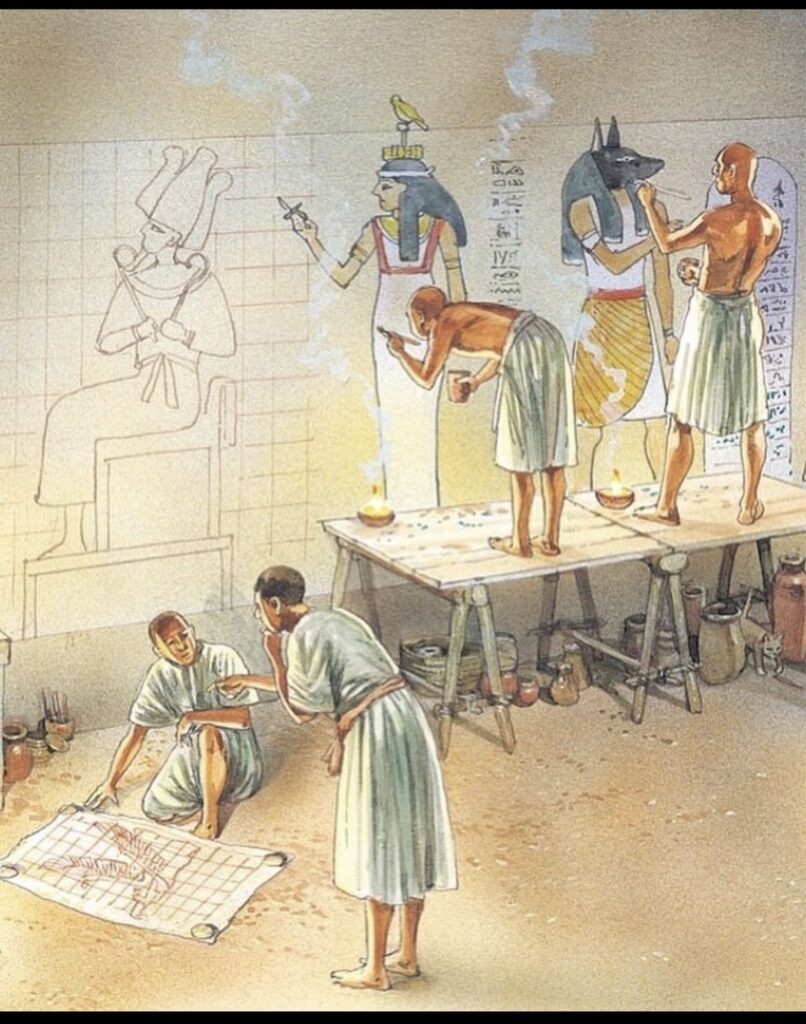
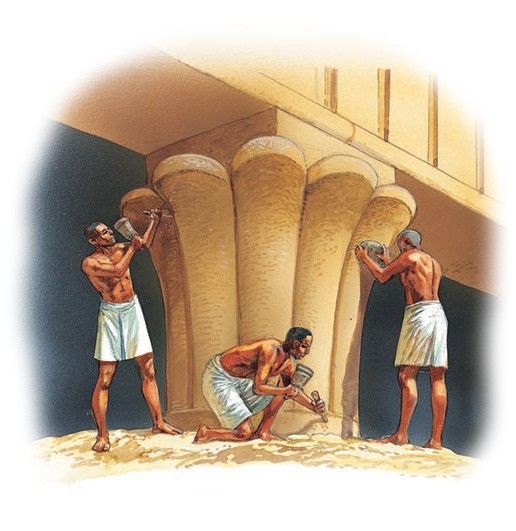
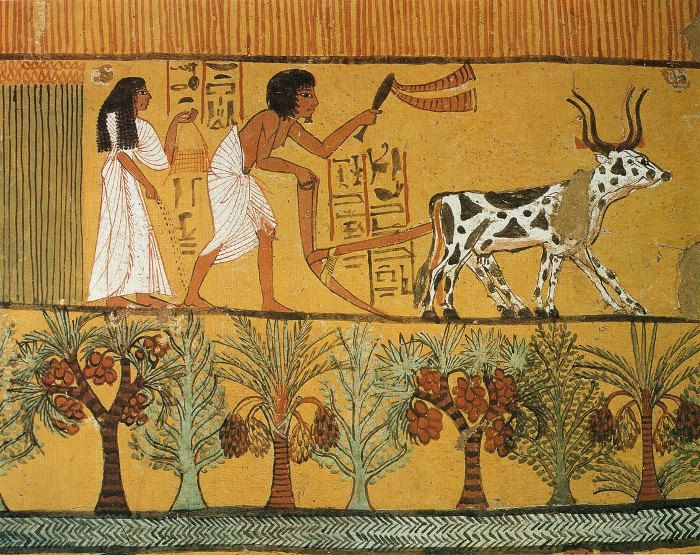
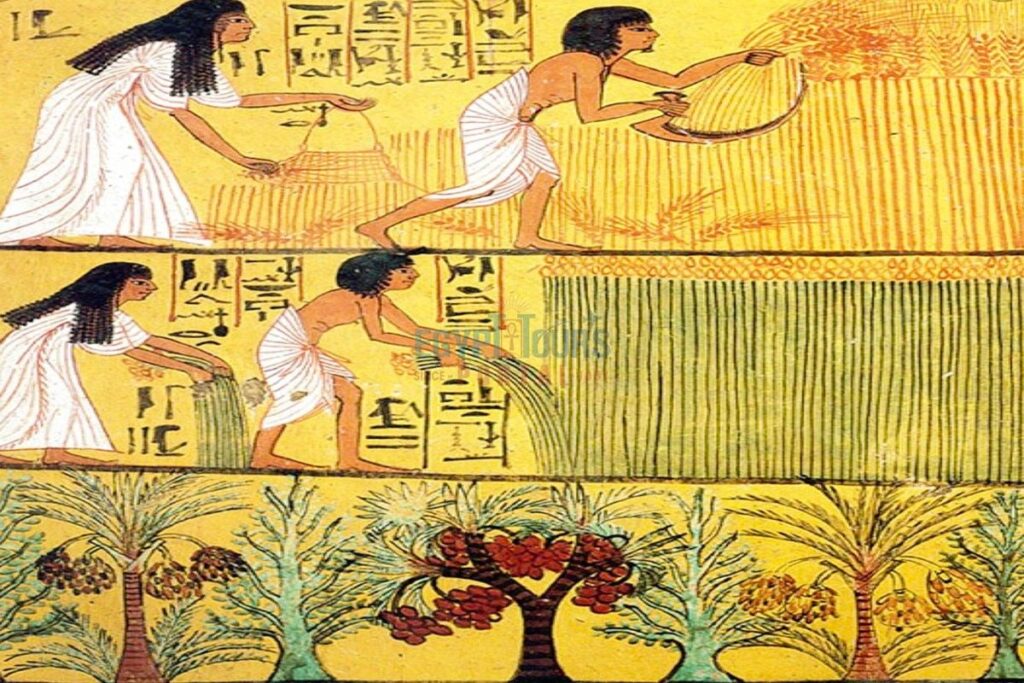
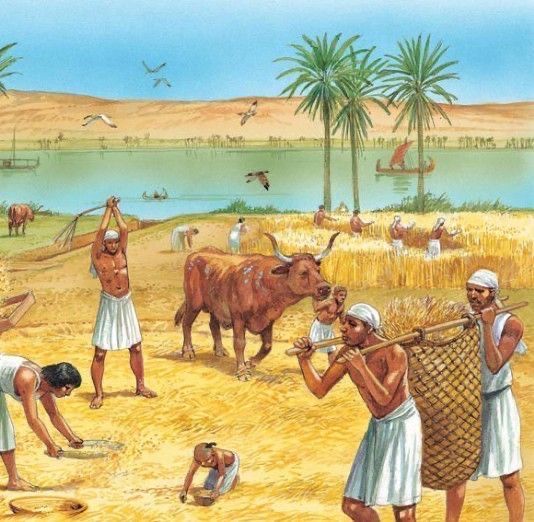
The importance of education varied depending on social status. Elite families often had better access to formal learning because education could lead to powerful positions in government and religion. However, practical education existed throughout society. Farmers, craftsmen, and merchants taught their children the skills needed for their professions, ensuring that specialized knowledge continued through generations.
Education was also considered a path toward personal success. Egyptian texts often praised wisdom, discipline, and learning as qualities that helped individuals achieve respect and prosperity. A person with knowledge could gain influence and improve their social position, especially through careers connected with administration.
The connection between education and social organization made learning a crucial part of Egyptian civilization. Without educated officials, scribes, and specialists, Egypt could not have managed its complex economy, built monumental structures, or maintained its long-lasting traditions.
The Ancient Egypt Education System demonstrates how knowledge was viewed as a powerful resource. By investing in education and preserving learning, Egyptians created a civilization whose achievements continue to influence the modern world.
Ancient Egyptian Schools and Learning Centers
Ancient Egyptian Schools were important institutions that trained students in the knowledge and skills required for professional careers, especially in administration and government service. Although education was not available to every child in the same way, schools played a major role in developing the scribes and officials who managed the complex systems of Ancient Egyptian Civilization.
Most formal education was connected to temples, government offices, and royal institutions. These learning centers prepared students for careers that required literacy, mathematics, and administrative abilities. Boys from elite or professional families often attended these schools because becoming a scribe offered opportunities for social advancement and respected positions.
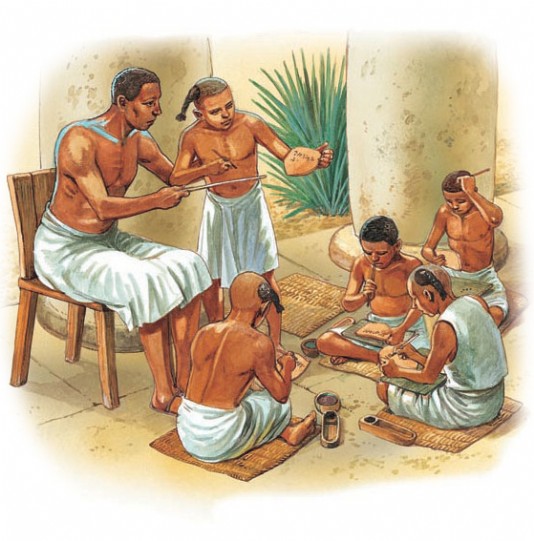
The training of students was usually strict and disciplined. Learning the Egyptian writing system required years of practice because hieroglyphics contained hundreds of symbols representing sounds, words, and ideas. Students copied texts repeatedly to improve their writing skills and memorized important literary, religious, and administrative passages.
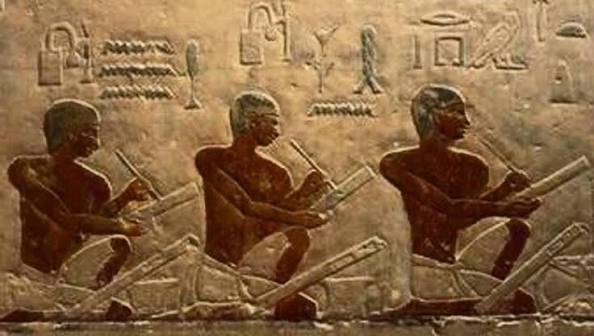
Teachers in Ancient Egyptian Schools were often experienced scribes who guided students through lessons. They emphasized accuracy, discipline, and obedience because scribes were responsible for producing official documents where mistakes could create serious problems. Students practiced writing on materials such as pottery fragments, wooden boards, and papyrus.
The curriculum focused mainly on practical subjects needed for future careers. Students studied reading, writing, mathematics, accounting, and administrative procedures. Some also learned literature, ethics, religious texts, and legal principles. Advanced students prepared for positions in government offices, temples, or royal administration.
Although formal schools mainly served boys from privileged backgrounds, education also existed through family training. Children learned occupations and skills from parents and relatives, especially in farming, craftsmanship, and trade communities.
Temples were among the most important learning centers because they preserved knowledge beyond religious practices. Priests maintained libraries containing texts about religion, medicine, astronomy, and science. These institutions helped protect Egyptian intellectual achievements for future generations.
Ancient Egyptian Schools created the skilled professionals needed to support the kingdom’s administration and cultural life. Through organized learning, Egypt developed a highly educated class of scribes and officials who contributed to the stability and success of one of history’s most advanced civilizations.
The Role of Scribes in Ancient Egypt
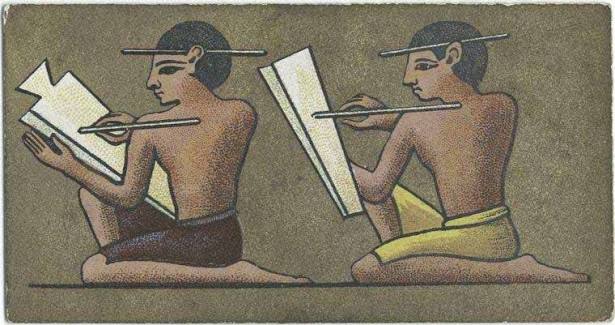
Scribes were among the most important educated professionals in Ancient Egyptian Society, and their role demonstrates the importance of literacy within the Ancient Egypt Education System. Because writing was essential for government, religion, trade, and record keeping, scribes held respected positions and played a major role in maintaining the organization of Egyptian civilization. Their knowledge allowed the state to function efficiently and ensured that important information was preserved for future generations.
The path to becoming a scribe required years of education and training. Students learned the complex Egyptian writing system, including hieroglyphics and hieratic script, which was used for everyday administrative purposes. They practiced writing, reading, mathematics, and official documentation. This demanding education required discipline because scribes were responsible for creating accurate records that affected taxation, legal matters, religious ceremonies, and government decisions.
Scribes worked in many areas of Egyptian life. Government scribes recorded taxes, managed administrative documents, organized labor, and kept records of agricultural production. Military scribes documented campaigns, supplies, and orders from officials. Temple scribes copied religious texts, maintained records of offerings, and preserved sacred knowledge. Some scribes also worked for wealthy individuals, preparing legal documents and managing personal affairs.
The social position of scribes was highly respected because literacy was considered a valuable skill. Many Egyptians viewed scribal work as a path to a better life because it offered stability, influence, and opportunities for advancement. Unlike farmers and laborers who performed physically demanding work, scribes were often associated with intellectual ability and government authority.
Scribes also contributed greatly to preserving Egyptian culture. They copied literary works, religious texts, medical knowledge, mathematical information, and historical records. Without scribes, much of what historians know about Ancient Egypt would not exist today. Their writings provide valuable information about Egyptian beliefs, daily life, administration, and achievements.
Although most scribes were men, some women achieved literacy and held positions involving writing and administration, especially among elite families. This demonstrates that education could provide opportunities beyond traditional social roles.
The role of scribes highlights the power of education in Ancient Egypt. Through their knowledge and dedication, scribes became the foundation of government organization and cultural preservation, making them one of the most influential groups in Egyptian history.