
1. The Purpose of Education in Ancient Egypt
The main purpose of the Ancient Egypt education system was to prepare individuals for useful roles in society. Education was closely connected with employment, administration, religion, and the preservation of knowledge.
Egyptian society depended on a large administrative system. Officials needed people who could record taxes, manage agricultural production, organize workers, write correspondence, and maintain government documents.
Scribes were especially important because written records were essential to the functioning of the state. Learning to read and write could therefore provide a pathway to a respected career.
Education also preserved religious traditions. Priests and temple personnel needed to understand religious texts, rituals, calendars, and sacred traditions.
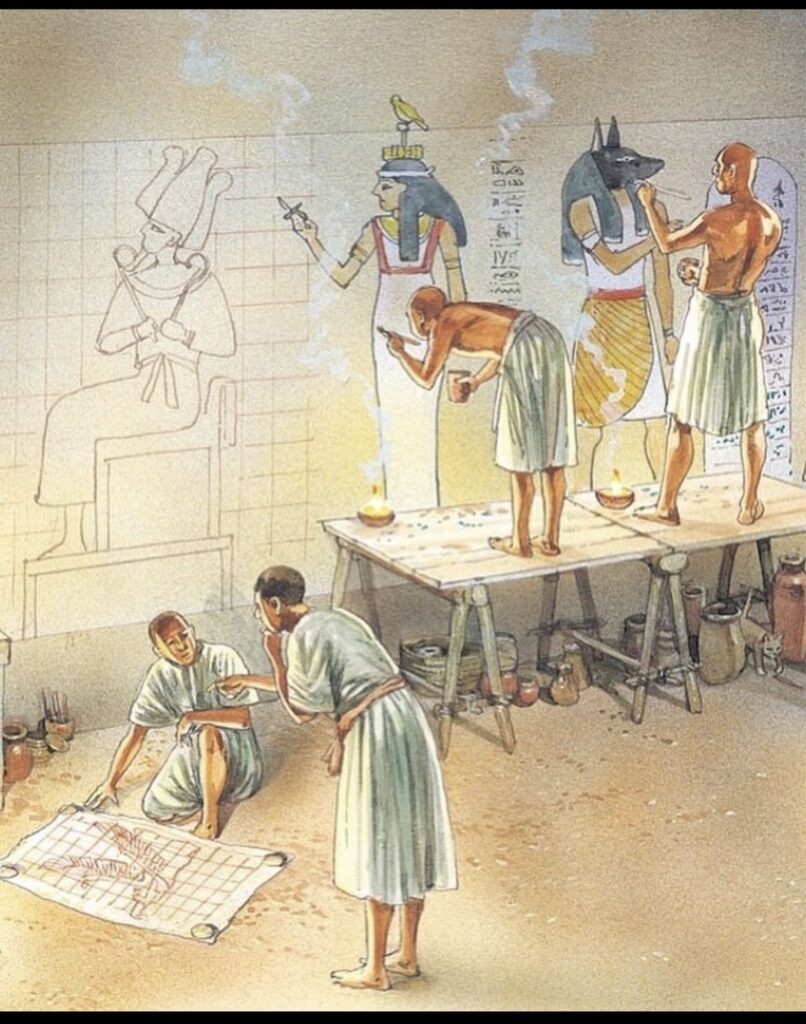
Professional education was important for specialized occupations. Doctors required knowledge of treatments and medical practices, while architects and engineers needed mathematics and technical skills.
Education also taught moral behavior. Wisdom literature instructed young people to respect elders, control their behavior, speak carefully, and fulfill their responsibilities.
For elite families, education could help children continue the family’s professional or administrative position.
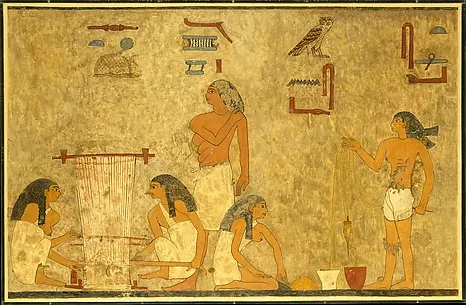
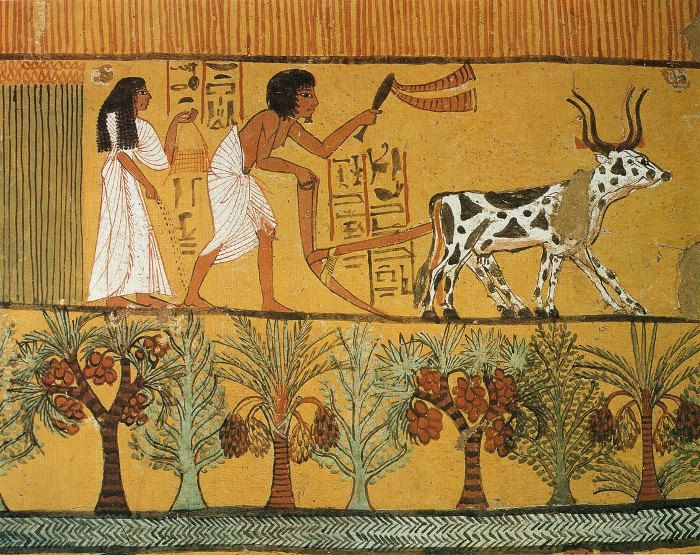
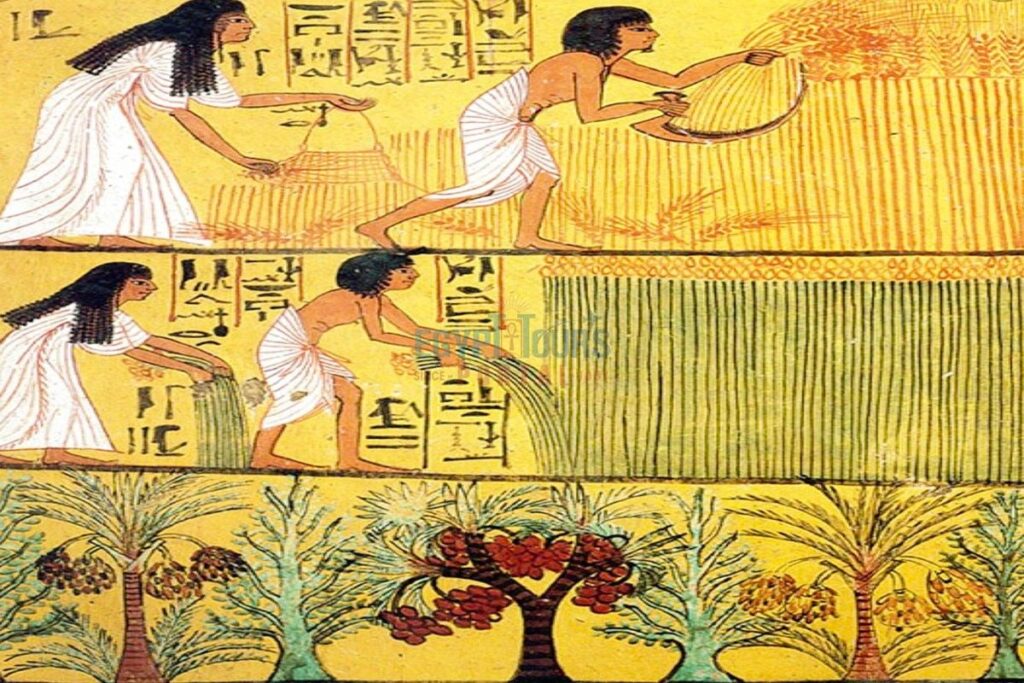
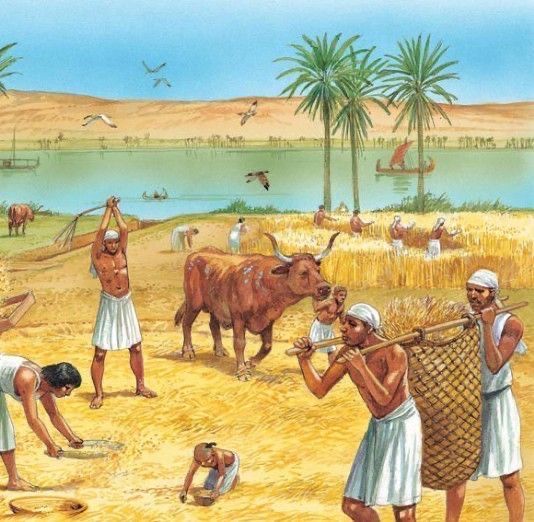
However, formal education was not the only form of learning. Most Egyptian children acquired practical knowledge through their families. Farmers taught children agricultural skills, while craftsmen trained their children in specialized trades.
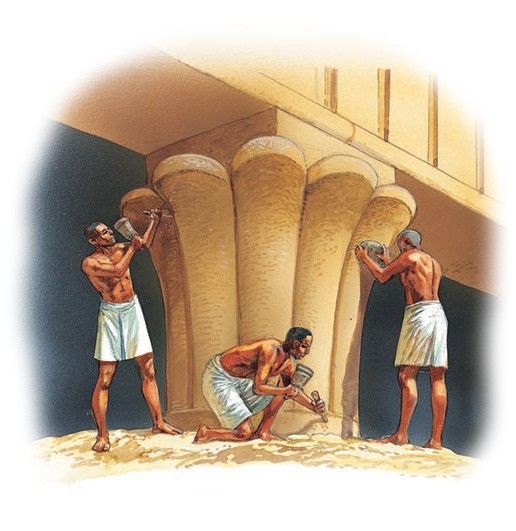
This practical education was essential because the majority of Egyptians worked in agriculture, crafts, construction, and other occupations that did not require advanced literacy.
Education therefore had different forms depending on social position and future occupation.
The Egyptian approach demonstrates that education was viewed primarily as a means of preserving knowledge and preparing people to fulfill their responsibilities.
Through formal and informal learning, Egyptians passed skills, traditions, and professional knowledge from one generation to the next.
2. Schools and Places of Learning in Ancient Egypt
Schools were an important part of the Ancient Egypt education system, particularly for children preparing for careers as scribes and administrators. However, these schools were very different from modern schools.
Education could take place in government institutions, temples, or specialized settings connected with scribal training.
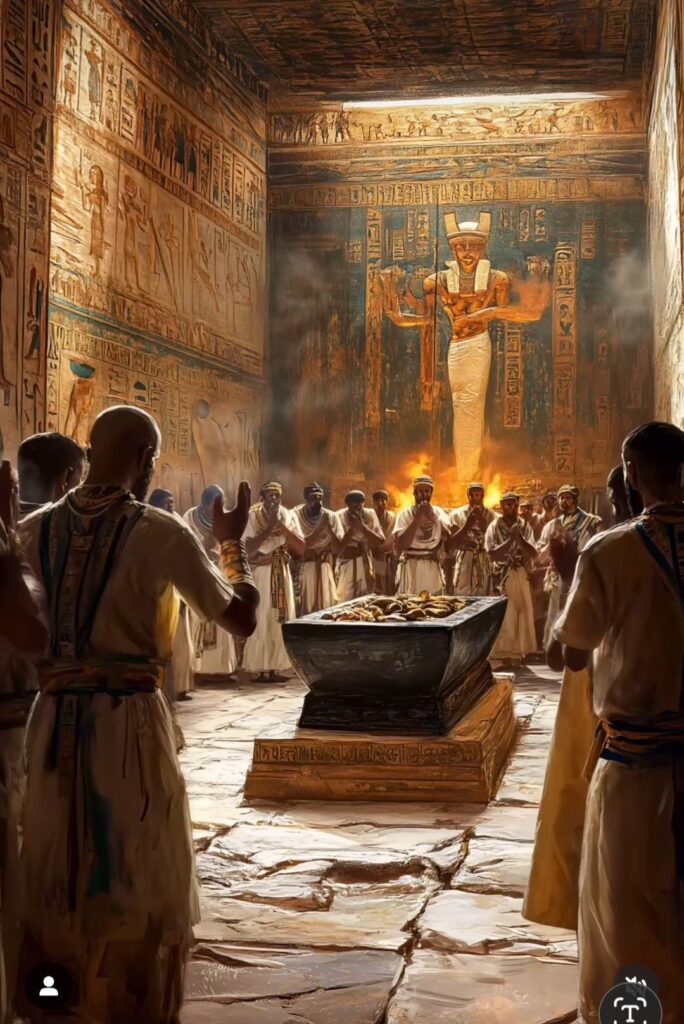
Some schools were associated with the “House of Life”, institutions connected with temples where religious, medical, scientific, and literary knowledge was preserved and studied.
Scribal students could also receive instruction in administrative environments where they learned practical skills needed for government work.
There was no single standardized school system covering all of Egypt. The availability and nature of education varied depending on location, period, and family background.
Students often learned in relatively small groups under the supervision of a teacher. Instruction focused heavily on copying texts and practicing writing.
Archaeological discoveries have revealed school exercises, writing boards, pottery fragments, and papyri containing student work.
Some exercises contain repeated signs, words, sentences, or passages. These materials show that students developed literacy through extensive practice.
Schools could prepare students for positions in government offices, temples, military administration, and other institutions.
Temples were particularly important because they served as centers of intellectual activity. Priests and scribes preserved texts covering religion, mathematics, medicine, astronomy, and literature.
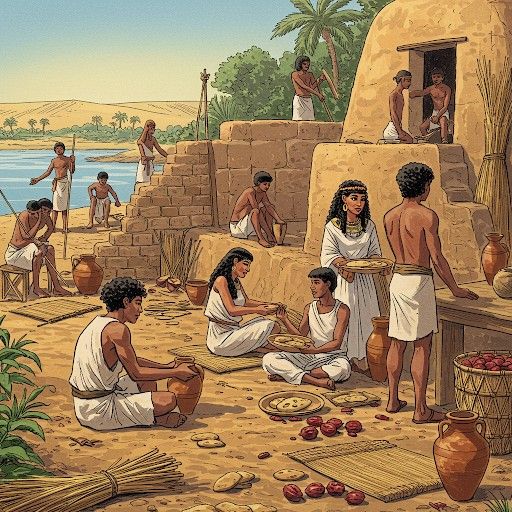
Education could also occur outside formal institutions. A young person might learn directly from a parent, master craftsman, or professional employer.
This was especially common for practical occupations such as farming, weaving, pottery, carpentry, and metalworking.
The educational environment therefore depended strongly on the student’s intended career.
Although Ancient Egypt did not have a universal public-school system, its educational institutions produced generations of skilled professionals who supported the administration and cultural life of the kingdom.
3. Scribes and the Importance of Literacy
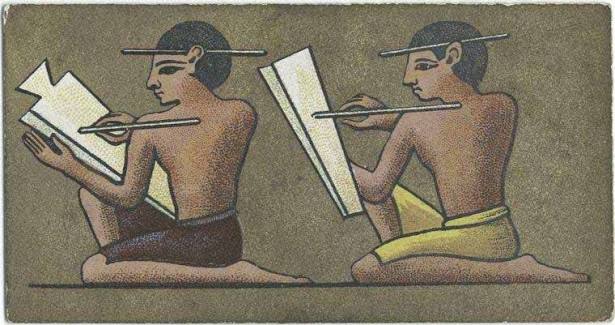
The scribe was one of the most important products of the Ancient Egypt education system. Literacy was a valuable skill because Egyptian government, religion, trade, and administration depended heavily on written records.
Scribes learned to read and write the Egyptian language using different forms of writing, including hieroglyphs and the faster hieratic script used for many administrative documents.
Training could take years. Students repeatedly copied texts and practiced signs until they became familiar with the writing system.
Mathematics was also important for scribes. They needed to calculate taxes, measure land, record supplies, and manage quantities of goods.
Scribes worked in many different environments. Some served in government offices, while others worked for temples, military organizations, wealthy households, or businesses.
A successful scribe could enjoy considerable social respect. Egyptian texts sometimes described the scribal profession as preferable to physically demanding occupations.
Literacy also provided opportunities for social mobility. A person who mastered writing could potentially move into administrative positions and gain greater wealth or influence.
Scribes recorded legal agreements, property transfers, tax assessments, military campaigns, religious texts, and correspondence.
They were therefore essential to the functioning of the Egyptian state.
The profession also helped preserve Egyptian culture. Literary works, religious traditions, historical records, and administrative documents survived because scribes copied and maintained them.
Students were often expected to demonstrate patience and discipline. Teachers could be strict because accuracy was extremely important.
A mistake in a tax record or legal document could have significant consequences.
The importance of scribes demonstrates why literacy was highly valued in Ancient Egypt. Writing was not simply an academic skill; it was a powerful professional tool that supported government, religion, commerce, and cultural continuity.