
The Importance of the Nile River in Ancient Egyptian Housing Development
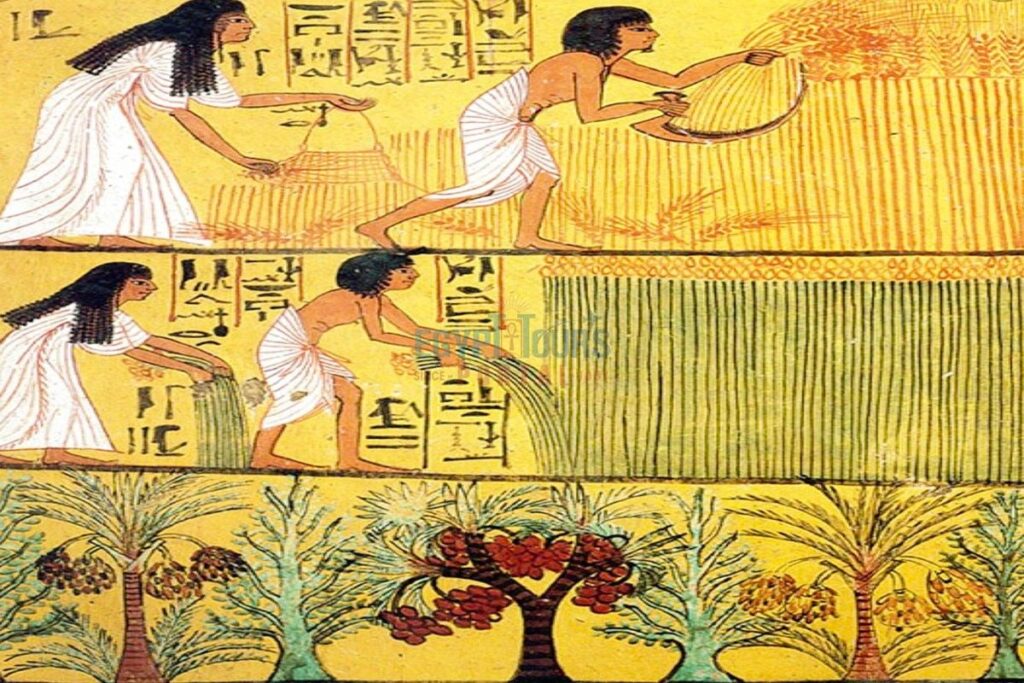
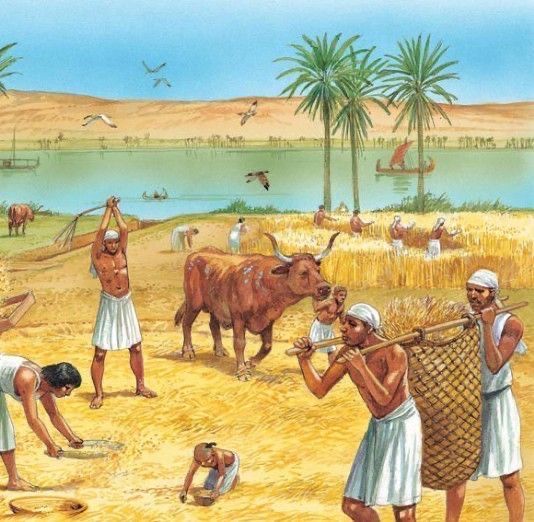
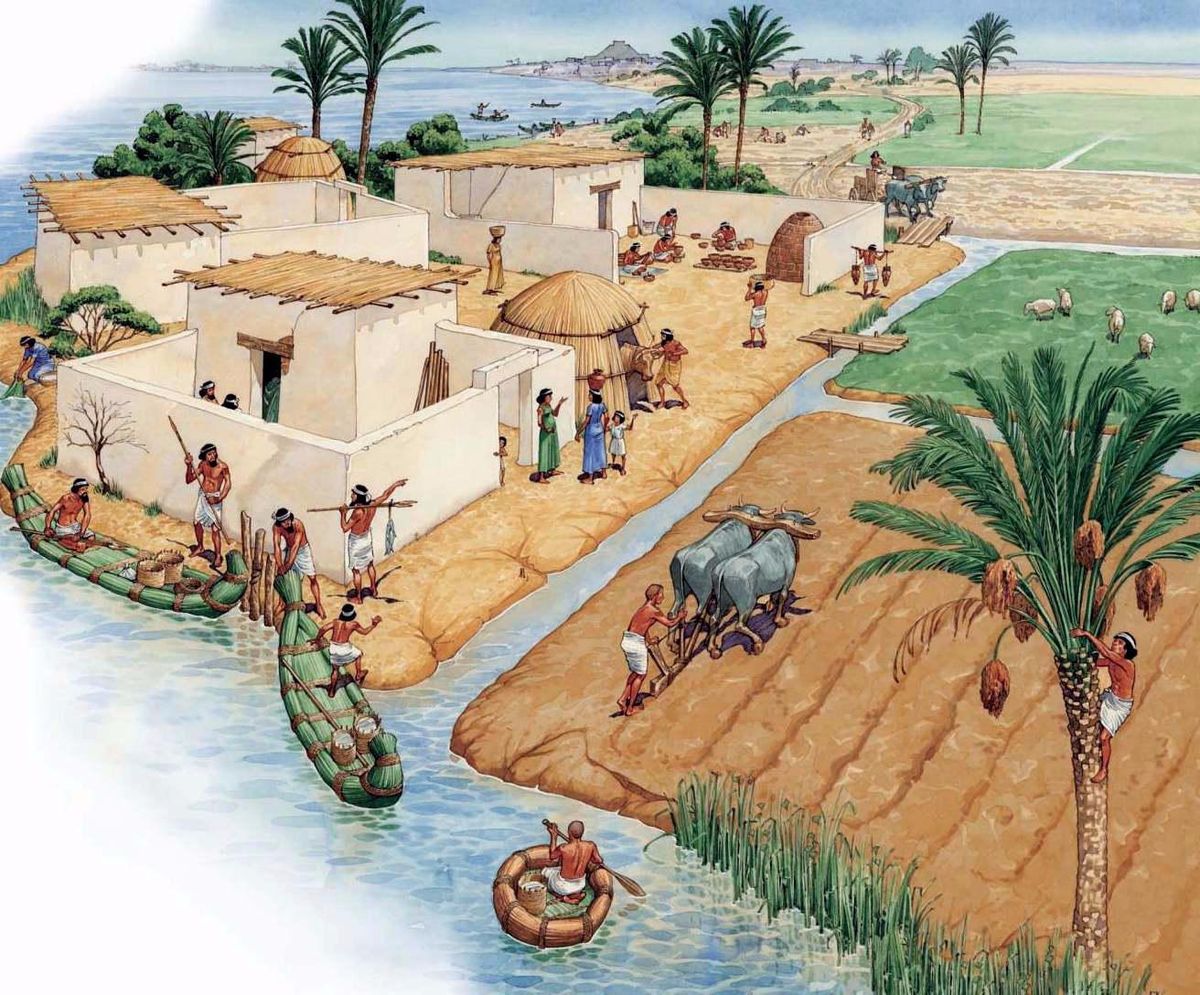
The Nile River played a central role in shaping Ancient Egypt Housing and influenced nearly every aspect of Egyptian settlement, architecture, and daily life. As the source of agricultural prosperity and economic development, the Nile determined where communities were established and provided the essential resources needed for building homes. Most Ancient Egyptian villages and cities developed along the narrow fertile lands surrounding the river because this area offered access to water, farming opportunities, transportation routes, and natural materials required for construction. The relationship between the Nile and housing demonstrates how Egyptians adapted their architecture to their unique environment.
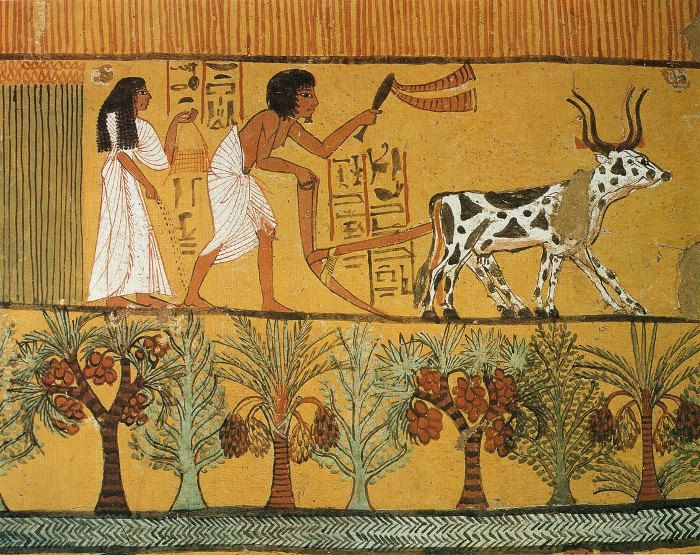
The annual flooding of the Nile deposited rich layers of fertile soil along its banks, allowing Egyptians to grow crops and sustain large populations. However, the flood cycle also required careful planning when constructing homes. Egyptians usually built settlements on slightly elevated areas to reduce the risk of flood damage while remaining close enough to benefit from the river’s resources. Mud from the Nile floodplain became one of the most important building materials, forming the basis of mudbrick construction that dominated Egyptian domestic architecture.
The river also supplied reeds, papyrus, and clay used in various household structures and daily tools. Wooden materials, although limited in Egypt, were transported along the Nile from regions where trees were more abundant. This transportation network allowed wealthy Egyptians and royal builders to acquire valuable resources for larger residences and decorative elements. The Nile was therefore not only a source of life but also a foundation for architectural development.
Ancient Egyptian Homes reflected this environmental connection through their design. Thick mudbrick walls helped maintain comfortable temperatures, protecting inhabitants from extreme heat during the day and cooler desert nights. Courtyards, ventilation openings, and shaded areas were common features that improved living conditions. The influence of the Nile on Ancient Egyptian Housing demonstrates how Egyptians combined environmental knowledge with architectural creativity to create homes that supported family life, economic activities, and community development throughout thousands of years.
Ancient Egyptian Mudbrick Houses and Building Materials
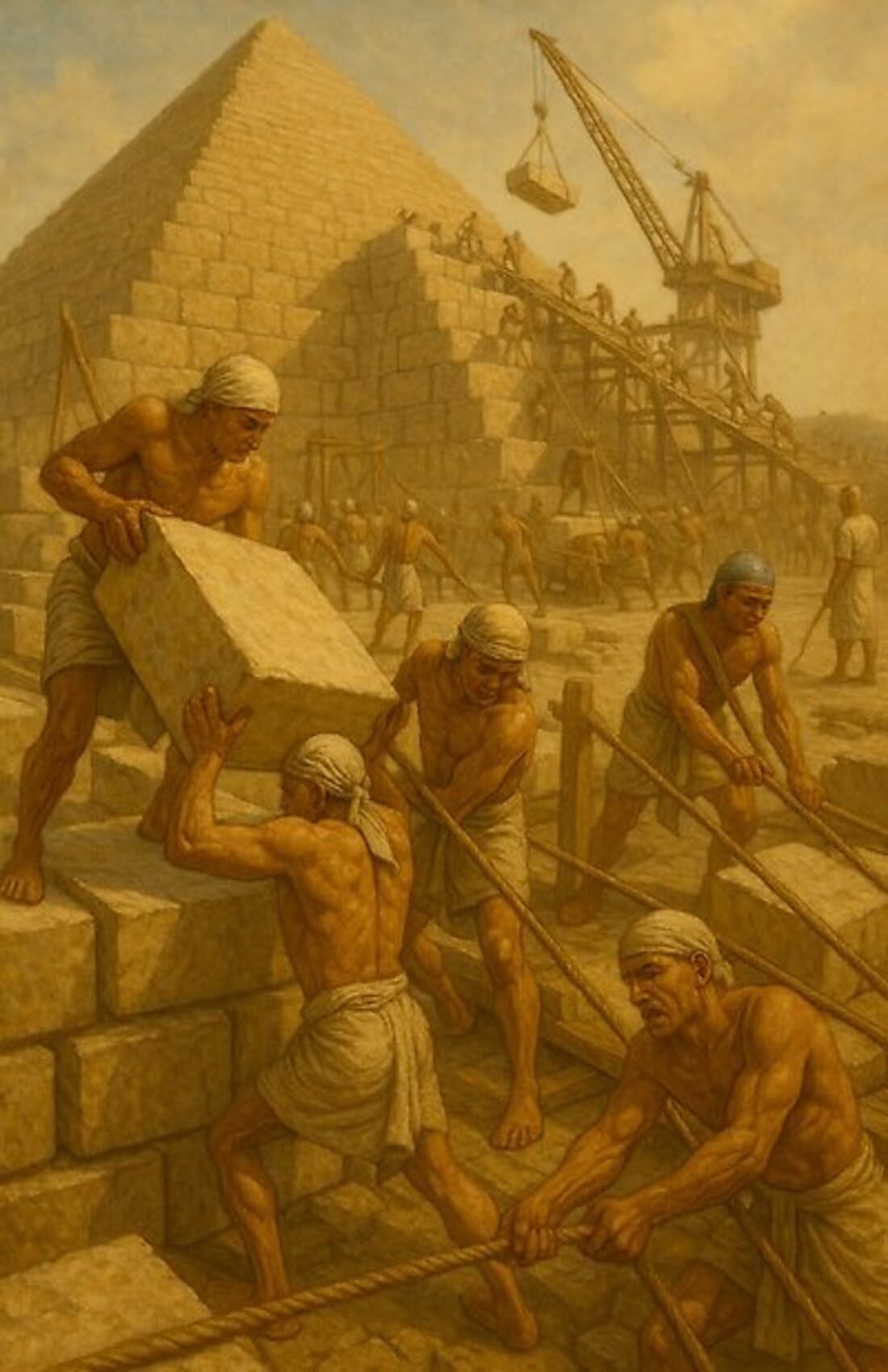
Mudbrick was the most important construction material used in Ancient Egyptian Homes and became the foundation of domestic architecture throughout much of Egyptian history. The widespread use of mudbrick was closely connected to Egypt’s natural environment because the Nile River provided abundant clay and mud deposits that could be easily transformed into strong building blocks. By mixing Nile mud with straw and other organic materials, Egyptians created bricks that were durable, affordable, and suitable for the country’s hot climate. These bricks were shaped using wooden molds, dried under the intense Egyptian sun, and then used to construct houses, walls, storage facilities, and administrative buildings.
The popularity of mudbrick in Ancient Egyptian Housing was largely due to its excellent thermal properties. Thick mudbrick walls helped keep interiors cool during the extremely hot daytime temperatures and retained warmth during colder nights. This made homes more comfortable without requiring advanced technology. Mudbrick construction also allowed Egyptians to repair and expand houses easily as families grew or economic conditions changed. Because the material was widely available, it could be used by both ordinary citizens and wealthy families, although elite homes often included additional materials and decorative features.
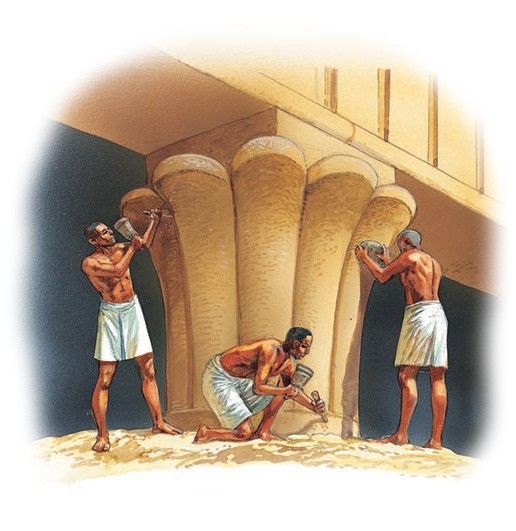
Wood was another important material used in Ancient Egyptian Homes, particularly for doors, roof supports, furniture, and decorative elements. Since Egypt had limited forests, high-quality timber such as cedar was imported from regions including Lebanon and reserved mainly for temples, palaces, and wealthy residences. Stone was less common in ordinary houses because it was expensive and difficult to transport, but it appeared in important architectural features such as foundations, columns, and elite buildings.
The use of natural materials demonstrates the practical intelligence of Ancient Egyptian builders. They created homes that were adapted to local conditions while making efficient use of available resources. Although many mudbrick houses have disappeared because of erosion and flooding, archaeological discoveries continue to reveal their impressive designs. Ancient Egyptian Mudbrick Houses remain an important example of sustainable architecture, showing how Egyptians developed effective building techniques that supported communities for thousands of years.
The Design and Structure of Ancient Egyptian Homes
The design and structure of Ancient Egyptian Homes reflected the practical needs, social traditions, and environmental challenges of life along the Nile Valley. Egyptian builders developed housing styles that provided protection from the desert climate while creating comfortable spaces for family activities, storage, cooking, and religious practices. Although the size and complexity of houses varied greatly depending on social status, most Ancient Egyptian Housing followed organized designs based on functionality and efficient use of available space.
A typical Egyptian house was built with thick mudbrick walls, narrow windows, and flat roofs that helped regulate indoor temperatures. The limited use of large windows reduced exposure to the intense sunlight while allowing families to maintain privacy. Roofs were often used as additional living spaces where people could sleep during hot nights, dry food, or perform household activities. Many homes included multiple rooms arranged around a central area, with specific spaces dedicated to cooking, sleeping, storage, and daily work.
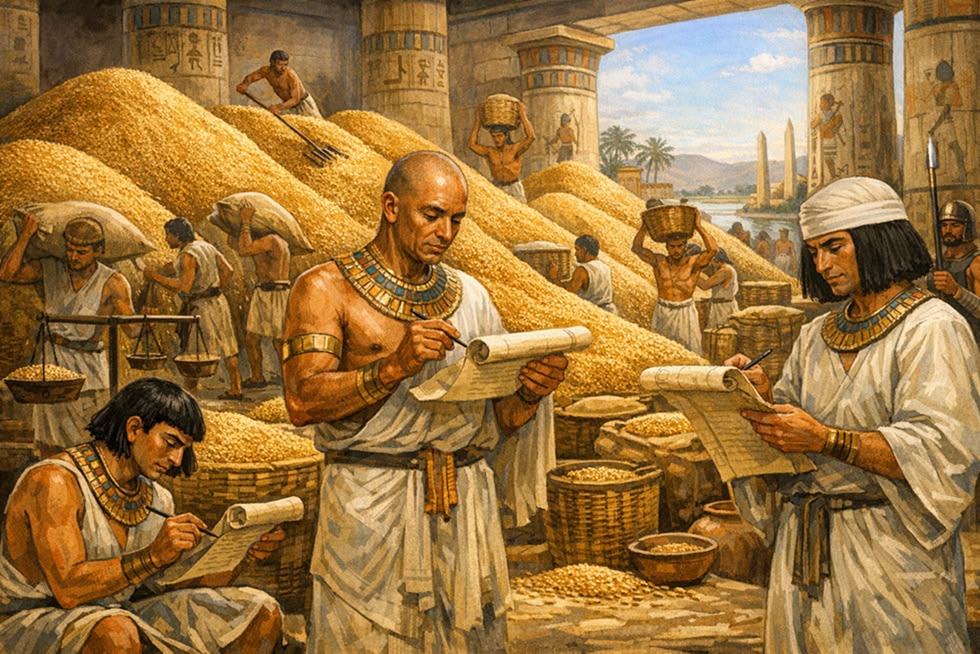
Courtyards were important features in many larger Ancient Egyptian Homes. These open areas provided natural light, ventilation, and space for domestic activities such as food preparation, gardening, and social gatherings. Wealthier residences sometimes included gardens, private wells, animal areas, and decorative elements that demonstrated the owner’s prosperity. Storage rooms were especially important because Egyptian families needed places to preserve grain, oils, tools, and household supplies.
The internal arrangement of houses often reflected Egyptian family values. The main living areas supported cooperation among family members, while separate spaces allowed for privacy and organization. Religious beliefs also influenced domestic design, as many homes contained small areas for household worship and offerings to protective deities.
Archaeological sites such as Deir el-Medina have provided detailed evidence of Ancient Egyptian domestic architecture, revealing carefully planned communities with similar housing patterns. These discoveries show that Egyptian homes were not random structures but thoughtfully designed environments that combined comfort, practicality, and cultural traditions. Through their innovative designs, Ancient Egyptians created living spaces perfectly adapted to their environment and social needs.