
Understanding Ancient Egypt Law and Order
Ancient Egypt was one of the world’s longest-lasting civilizations, flourishing for more than 3,000 years along the fertile banks of the Nile River. While the pyramids, temples, and Pharaohs often receive the most attention, another remarkable achievement of this civilization was its highly organized legal system. Ancient Egypt Law and Order formed the foundation of Egyptian society, ensuring stability, fairness, and prosperity across the kingdom. The legal system combined religious beliefs, royal authority, and practical administration to create one of the earliest systems of justice in human history.
Unlike many modern legal systems that rely on detailed written legal codes, Ancient Egyptian law was based largely on the principle of Ma’at, the goddess and concept representing truth, justice, harmony, balance, and order. Egyptians believed that maintaining Ma’at was essential not only for society but also for the universe itself. Every citizen, official, priest, judge, and Pharaoh had the responsibility to preserve this sacred balance.
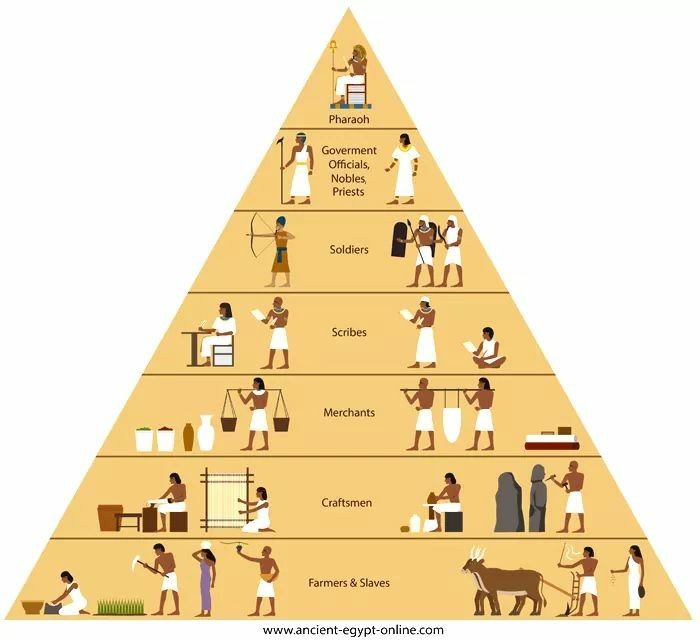
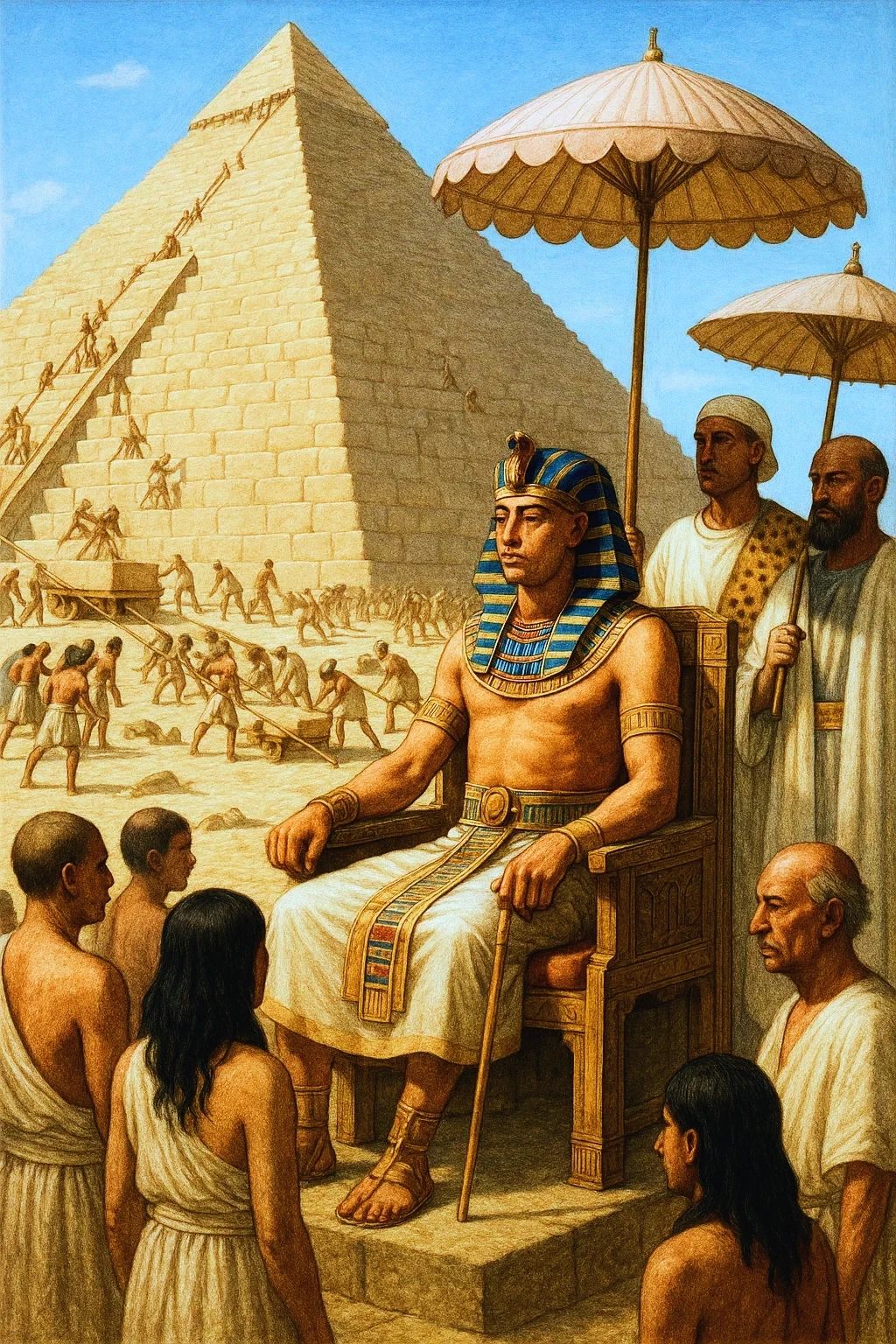
The Pharaoh stood at the highest level of the legal system. As Egypt’s supreme ruler, he was considered the ultimate judge and protector of justice. Although local officials handled most legal disputes, all authority ultimately came from the Pharaoh. Judges, scribes, governors, and administrators worked together to settle conflicts, investigate crimes, collect taxes, protect property, and enforce the laws throughout Egypt.
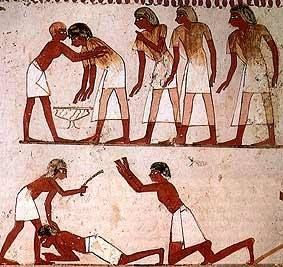
Ancient Egyptian courts handled a wide variety of cases, including property ownership, inheritance disputes, business agreements, theft, violence, and family matters. Most legal decisions relied on witness testimony, written documents, and careful investigations rather than complicated legal procedures. Punishments varied depending on the seriousness of the crime and ranged from fines and repayment to exile or severe physical penalties for major offenses.
The legal system also reflected the strong connection between religion and government. Crimes were viewed not only as offenses against individuals but also as actions that disturbed the divine order established by the gods. Justice therefore became both a legal and religious responsibility.
Today, historians continue to study legal papyri, temple inscriptions, tomb scenes, and administrative records that reveal how Ancient Egyptians governed their society. These discoveries demonstrate that Ancient Egypt developed one of the most sophisticated systems of law and public administration in the ancient world, helping maintain one of history’s most successful civilizations.
The Foundation of Ancient Egyptian Law: The Principle of Ma'at
The entire legal system of Ancient Egypt was built upon the concept of Ma’at, one of the most important principles in Egyptian civilization. Rather than relying solely on written legal codes, Ancient Egyptian law focused on maintaining balance, truth, justice, harmony, and moral order. Ma’at was both a goddess and a guiding philosophy that influenced government, religion, society, and everyday life. Every legal decision, royal decree, and court judgment aimed to preserve this sacred order.
Ancient Egyptians believed that the universe itself functioned because Ma’at existed. If justice disappeared and chaos replaced order, both society and nature would suffer. Maintaining Ma’at therefore became one of the primary responsibilities of the Pharaoh, government officials, judges, priests, and ordinary citizens alike.
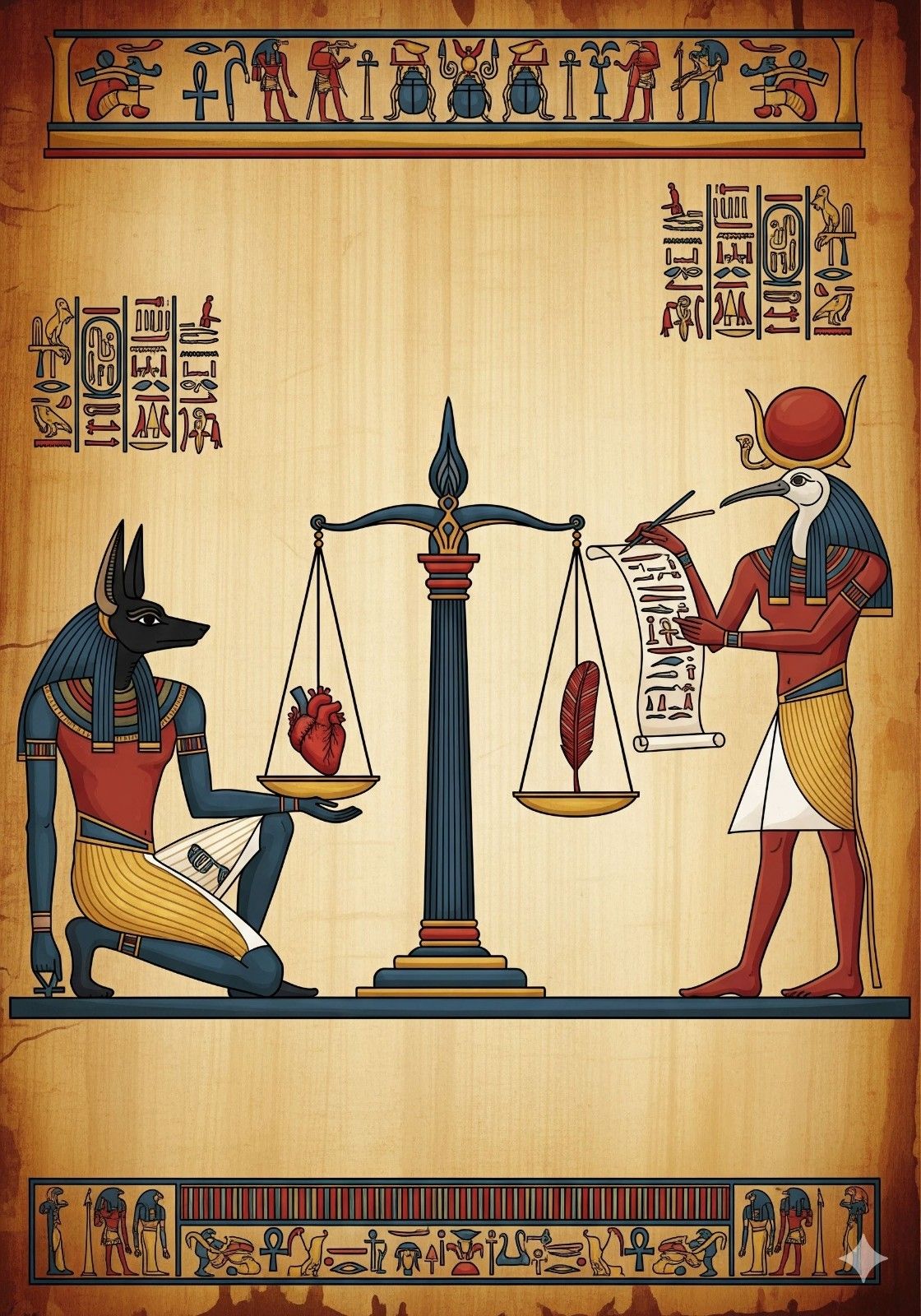
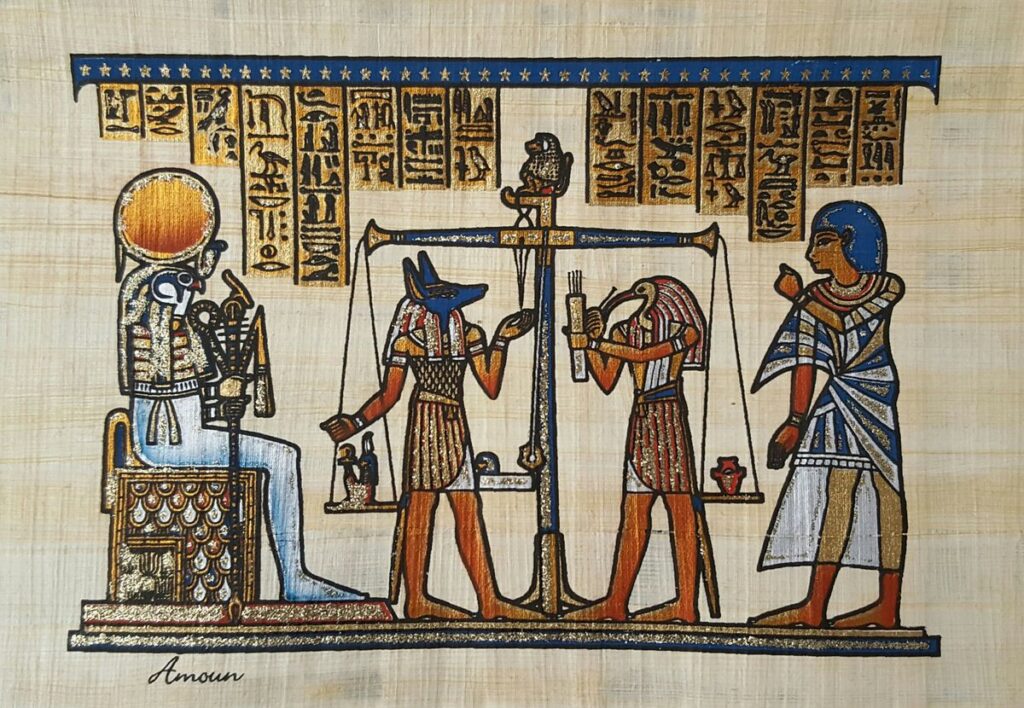
In Egyptian mythology, the goddess Ma’at was often shown wearing an ostrich feather on her head. This feather later became the symbol used during the famous “Weighing of the Heart” ceremony in the afterlife, where a person’s heart was compared with the Feather of Ma’at. Those who had lived honest and just lives were rewarded with eternal life, while the wicked faced destruction.
Because Ma’at emphasized fairness rather than strict legal technicalities, Egyptian judges were expected to consider honesty, evidence, and the overall balance of each situation before making decisions. Their goal was not simply to punish wrongdoers but to restore harmony within society.
The principle of Ma’at also influenced economic life, government administration, taxation, trade, and diplomacy. Officials were expected to avoid corruption, protect public resources, and serve the people fairly. Honest administration was considered an act of religious devotion as well as public service.
The importance of Ma’at helped Ancient Egypt maintain remarkable political stability for thousands of years. Its influence extended far beyond the courtroom, shaping every aspect of Egyptian civilization and becoming one of the earliest philosophical foundations of justice in world history.
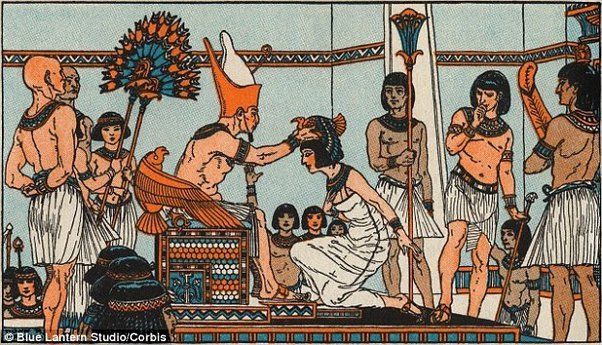
The Pharaoh as the Supreme Judge of Ancient Egypt
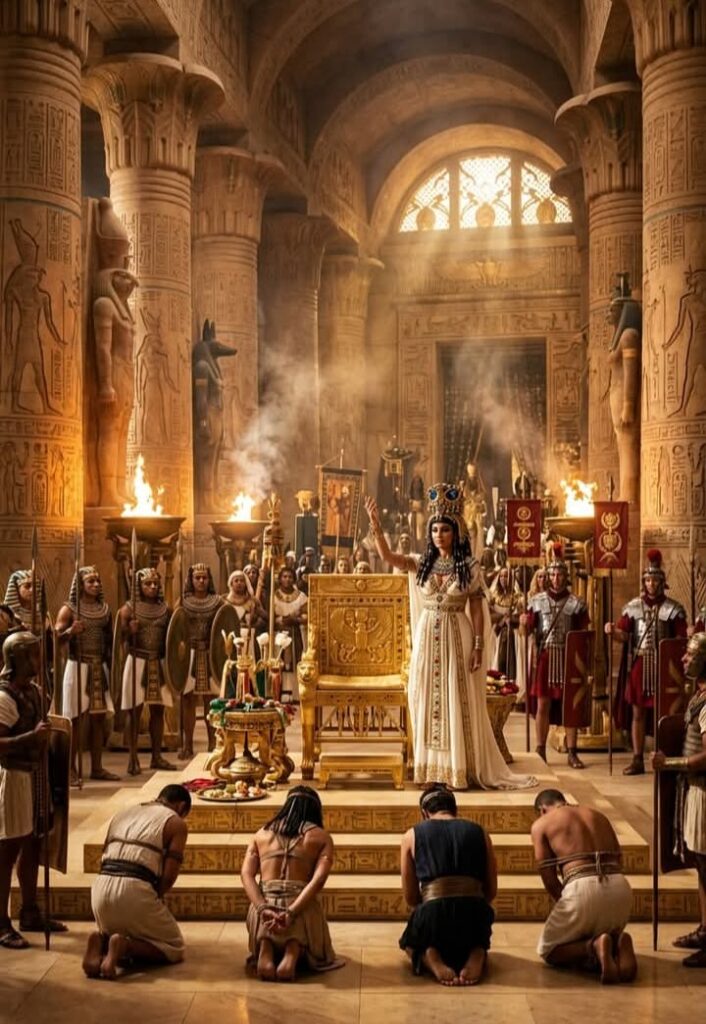
The Pharaoh occupied the highest position in the Ancient Egyptian legal system and served as the ultimate source of justice throughout the kingdom. Egyptians believed that the Pharaoh ruled by divine authority granted by the gods, making him responsible for maintaining Ma’at and protecting the people from injustice, disorder, and corruption.
Although the Pharaoh rarely presided over ordinary legal cases, every court and government official acted in his name. His authority extended throughout Egypt, and all judges, governors, and administrators derived their legal power from the royal office. Royal decrees established policies, resolved major disputes, and reinforced the importance of justice across the country.
The Pharaoh appointed experienced officials known as viziers to oversee the administration of justice. These trusted advisors supervised local courts, investigated important cases, managed government records, and ensured that legal decisions reflected the principles of fairness and truth. Through this administrative system, the Pharaoh maintained effective control over Egypt’s vast territory.
When especially serious matters arose—such as disputes involving senior officials, major crimes, or issues affecting the stability of the kingdom—the Pharaoh could personally intervene. His decisions were considered final and unquestionable because Egyptians believed he acted according to divine wisdom.
The image of the Pharaoh as a just ruler appeared frequently in temple inscriptions and monuments. Artistic scenes often show the king presenting Ma’at to the gods, symbolizing his commitment to maintaining justice throughout Egypt. This visual message reinforced public confidence in the legal system and strengthened the connection between royal authority and divine order.
The Pharaoh’s legal responsibilities demonstrate that Ancient Egyptian kingship extended far beyond military leadership and religious ceremonies. Upholding justice was one of the ruler’s most sacred duties and played a vital role in preserving the stability that allowed Egyptian civilization to flourish for centuries.