
1. The Importance of Workers in Ancient Egyptian Civilization
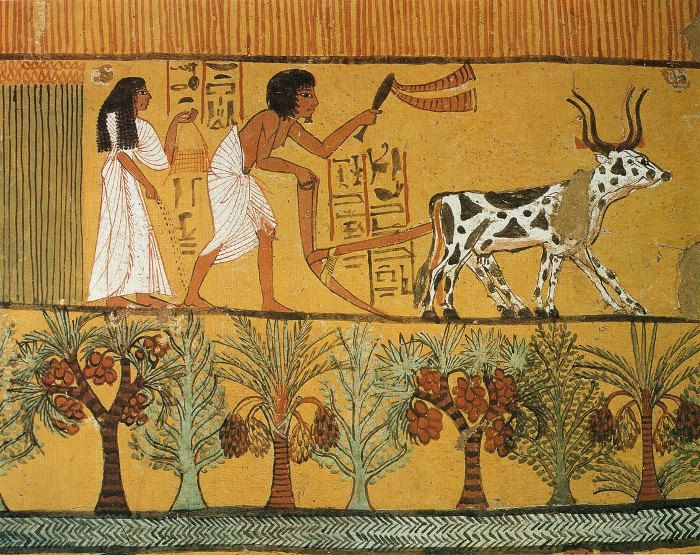
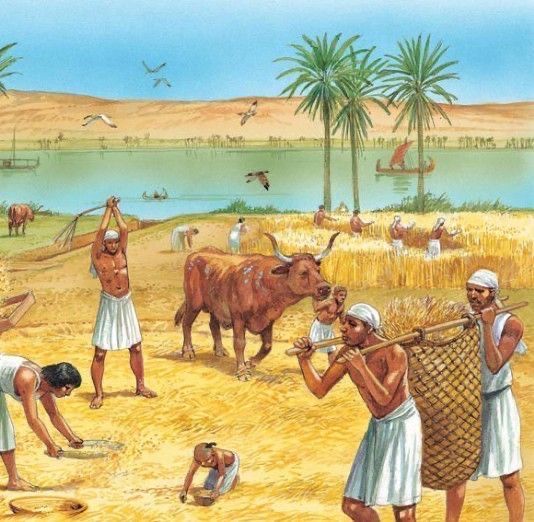
Workers formed the foundation of Ancient Egyptian civilization, transforming natural resources into the monuments, tools, homes, temples, and works of art that defined one of history’s greatest cultures. Although Pharaohs commissioned grand projects and government officials organized labor, it was skilled workers and laborers who turned ambitious plans into reality. Their contributions supported every aspect of Egyptian society, from agriculture and trade to religion and architecture.
Most Egyptians belonged to the working population. They included builders, craftsmen, potters, carpenters, blacksmiths, goldsmiths, textile weavers, fishermen, merchants, sailors, and transport workers. Each profession required practical knowledge that was passed from one generation to the next through apprenticeships and family traditions.
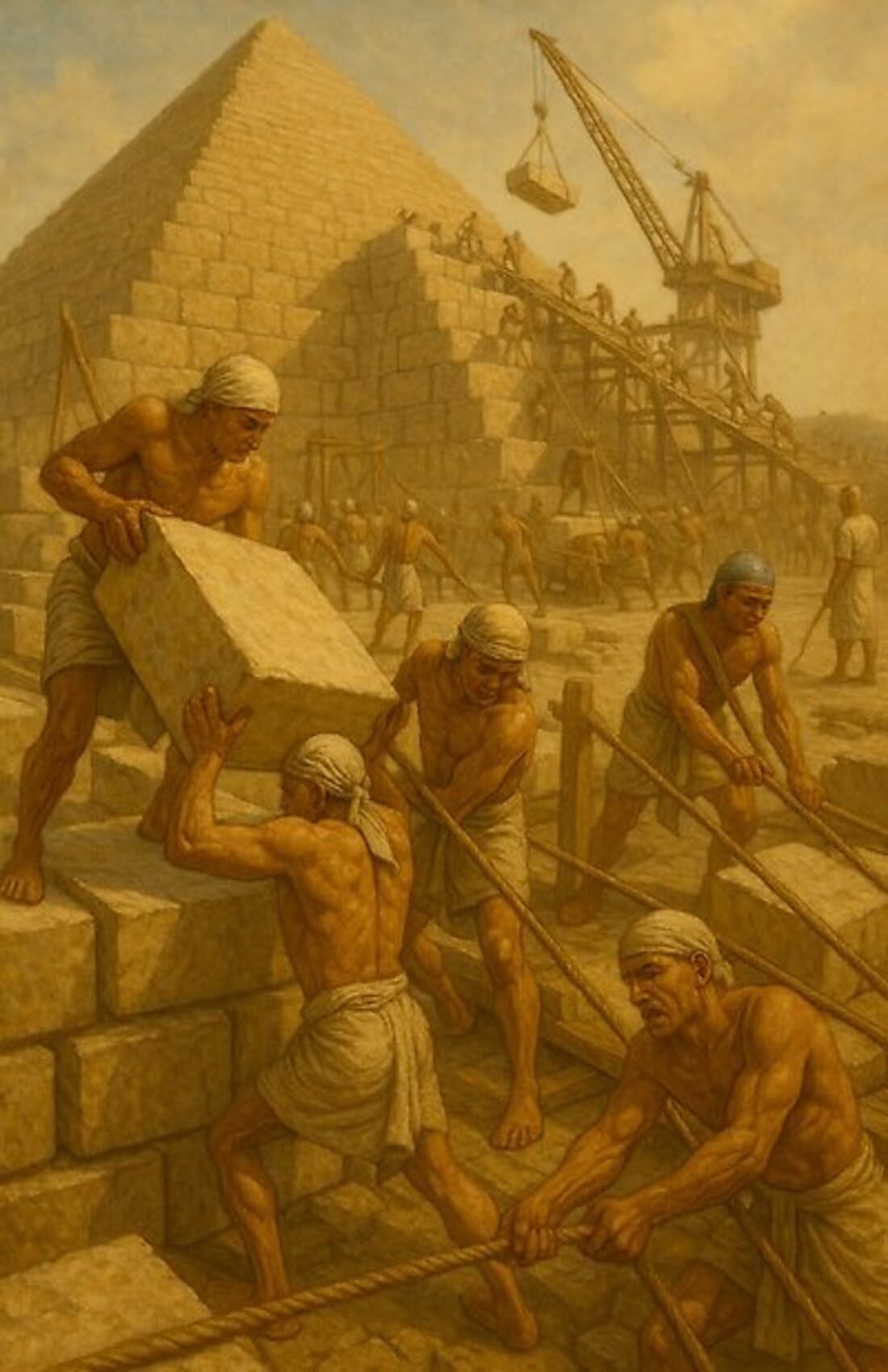
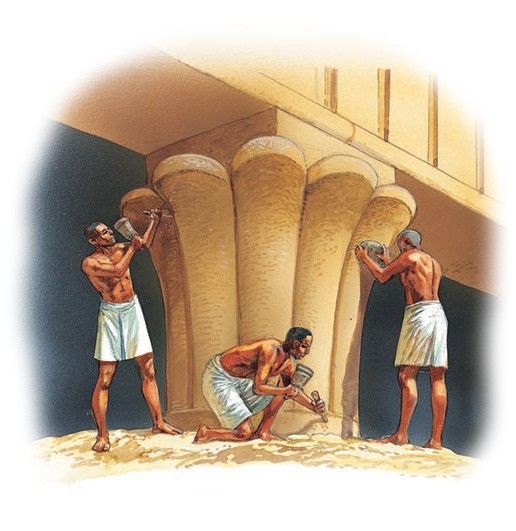
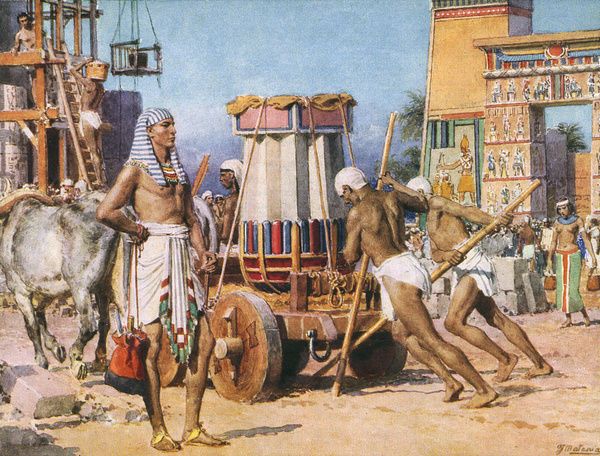
Construction workers built some of the world’s most famous monuments, including pyramids, temples, obelisks, tombs, palaces, canals, and city walls. Their work demanded exceptional skill in stone cutting, engineering, transportation, and organization. Without these workers, the magnificent structures of Ancient Egypt would never have existed.
Craftsmen created furniture, statues, pottery, jewelry, cosmetics, clothing, tools, and religious objects used throughout Egyptian society. Their products supported daily life while also serving the needs of temples, royal households, and international trade.
Workers contributed directly to Egypt’s economy by producing goods for local markets and foreign commerce. Egyptian linen, gold jewelry, papyrus, carved statues, and luxury items became highly valued throughout the ancient Mediterranean world.
The success of Ancient Egypt depended on cooperation among thousands of workers performing specialized tasks. Their dedication, practical knowledge, and remarkable craftsmanship allowed Egyptian civilization to flourish continuously for more than three thousand years.
2. Different Types of Workers and Skilled Professions
Ancient Egypt had one of the most specialized workforces in the ancient world. Workers developed expertise in many professions that supported agriculture, industry, construction, religion, and trade. Skilled labor was highly respected because experienced craftsmen produced goods that were both practical and beautiful.
Stone masons shaped enormous limestone, sandstone, and granite blocks used for pyramids, temples, statues, and tombs. Their precision allowed monuments to survive for thousands of years. Carpenters built furniture, doors, boats, chariots, and household equipment using imported cedar and native Egyptian woods.
Metalworkers produced copper and bronze tools, weapons, farming equipment, mirrors, and decorative objects. Goldsmiths crafted magnificent jewelry for Pharaohs, nobles, and temples using gold, silver, precious stones, and colorful glass.
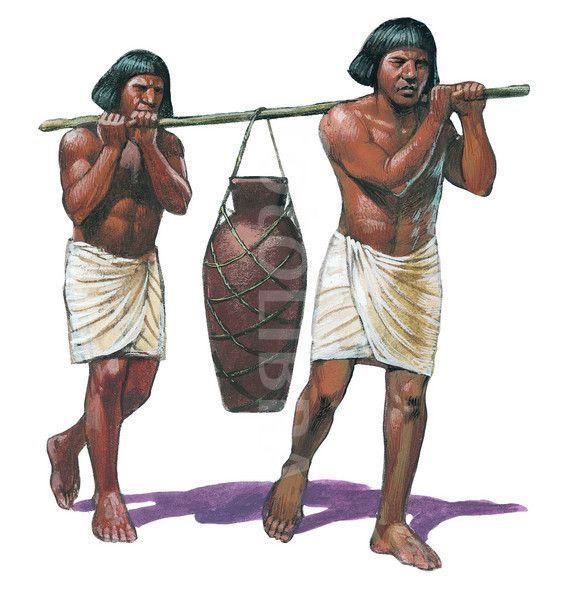
Potters created storage jars, cooking vessels, drinking cups, lamps, and ceremonial containers essential for everyday life. Textile workers spun flax into fine linen that became Egypt’s most important fabric for clothing, sails, and burial wrappings.
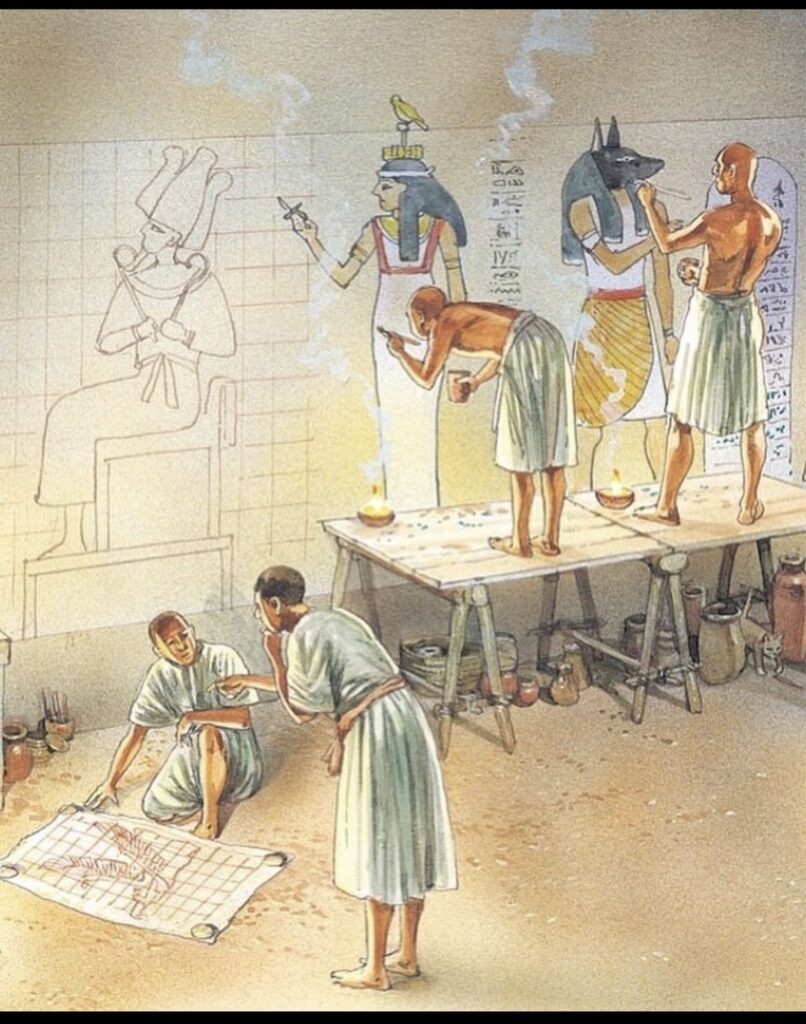
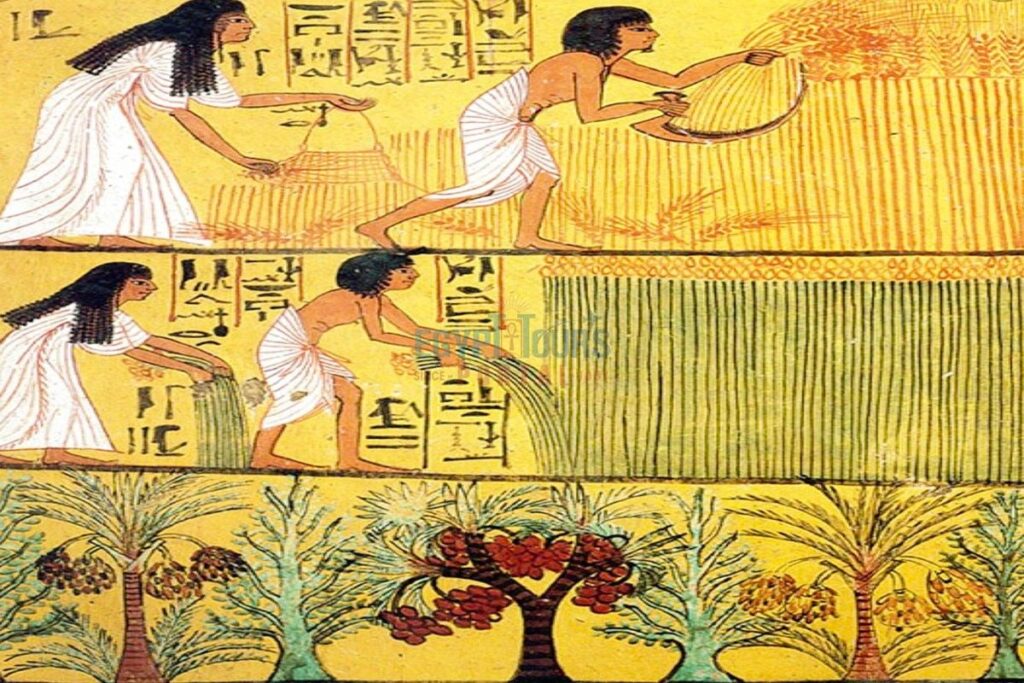
Artists and painters decorated temples and tombs with colorful scenes showing religious ceremonies, daily activities, agriculture, hunting, and royal achievements. Sculptors carved statues of gods, kings, and officials from stone and wood, preserving Egyptian history through art.
Boat builders constructed fishing boats, cargo ships, military vessels, and ceremonial barges that traveled along the Nile River. Merchants and transport workers distributed goods throughout Egypt and beyond, strengthening trade with neighboring civilizations.
Each profession required years of experience and careful training. Many children learned their family’s occupation from their parents, ensuring that valuable knowledge continued across generations.
3. Daily Work and Working Conditions
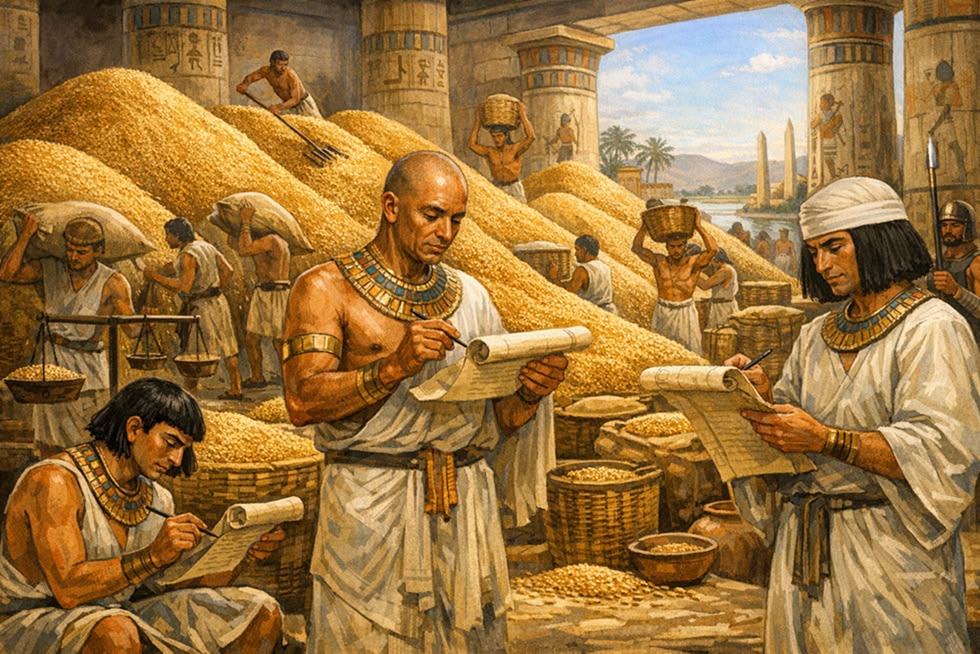
The daily life of workers in Ancient Egypt varied depending on occupation, but nearly every profession required discipline, cooperation, and physical effort. Most workers began their day shortly after sunrise to avoid the intense afternoon heat. Simple breakfasts of bread, beer, onions, dates, or vegetables provided energy before beginning long hours of labor.
Construction workers spent much of the day cutting stone, transporting heavy blocks, mixing mud bricks, or erecting massive structures. Teams worked together using ropes, wooden sledges, levers, and ramps to move materials safely. Skilled supervisors organized labor and ensured projects progressed efficiently.
Craftsmen worked inside workshops where they carved statues, shaped pottery, forged metal tools, wove linen, or painted decorative scenes. Although workshop conditions were often more comfortable than outdoor construction sites, craftsmen still required great concentration, patience, and physical skill.
Workers usually paused during the hottest hours for meals and rest before continuing their tasks. Bread, beer, fish, vegetables, and occasionally meat formed the basis of their daily diet. Drinking water from the Nile was often filtered or supplemented with beer, which was considered safer to consume.
Safety depended largely on experience and teamwork. Heavy lifting, sharp tools, and construction work created risks of injury, yet archaeological discoveries indicate that injured workers sometimes received medical treatment and were allowed time to recover before returning to work.
At the end of the day, workers returned to their homes or workers’ villages, where they spent time with their families, repaired household items, participated in religious activities, and prepared for the following day’s work. Despite demanding conditions, many workers developed strong community relationships that made their daily lives both productive and meaningful.