
Welcome to

Ancient Egypt Marriage System

The Ancient Egypt marriage system was a vital institution that formed the foundation of family life, social stability, and economic organization throughout Egyptian civilization. Marriage was viewed as a practical and respected partnership between a man and a woman, designed to create a household, raise children, manage property, and contribute to the well-being of society. Although marriage was not typically governed by elaborate religious ceremonies, it was considered an important social commitment that carried legal, economic, and family responsibilities.

In Ancient Egypt, most men and women married during early adulthood, and marriage was generally based on mutual agreement between the couple and their families. Unlike many other ancient societies, Egyptian women enjoyed significant legal rights within marriage. They could own property, inherit wealth, conduct business, and maintain control over assets that belonged to them before and during marriage. This legal independence helped create a relatively balanced marital relationship compared to many contemporary civilizations.

The establishment of a shared household was often considered the beginning of a marriage. Couples typically entered into agreements concerning property, inheritance, and financial responsibilities. Wealthier families sometimes created formal marriage contracts that outlined the rights and obligations of both spouses, helping protect property and family interests. These agreements demonstrate the practical and legal nature of marriage in Ancient Egypt.

Family life was highly valued, and children were considered one of the primary purposes of marriage. Parents were responsible for raising, educating, and preparing children for adulthood, while extended family relationships provided additional support and stability. Husbands generally worked to provide economic resources, while wives managed household affairs, cared for children, and often participated in family businesses, agriculture, or craft production.

Divorce was legally permitted in Ancient Egypt and was relatively straightforward compared to many other ancient cultures. Either spouse could seek the end of a marriage, and legal arrangements often ensured that property rights were respected. Women could retain ownership of their personal property and may have received financial support depending on the circumstances of the separation. This flexibility reflected the strong legal protections available to Egyptian women.

The Ancient Egypt marriage system reflected broader cultural values such as family loyalty, mutual responsibility, economic cooperation, and social stability. Through marriage, families preserved traditions, transferred property, strengthened social relationships, and contributed to the continuity of Egyptian civilization across generations.

In this guide, we explore the Ancient Egypt marriage system, including courtship, family life, marriage contracts, property rights, women’s legal status, divorce, inheritance, and the role of marriage in shaping one of the world’s most enduring civilizations.

weddings in ancient egypt

The Importance of Marriage in Ancient Egyptian Society

Marriage held a central position in Ancient Egyptian society because it represented the foundation of family life, social organization, and cultural continuity. The Ancient Egypt Marriage System was closely connected to the Egyptian belief that stability and balance were necessary for maintaining harmony in both human relationships and the wider universe. Through marriage, individuals created households, raised children, preserved family traditions, and contributed to the continuation of Egyptian civilization.

The family was considered one of the most important social units in Ancient Egypt. A successful marriage provided security, cooperation, and support between husband and wife. Egyptians believed that a stable household created a strong community because families were responsible for teaching values, traditions, and skills to future generations. Children were especially important because they represented the continuation of the family line and were expected to honor their parents throughout life and after death.

Marriage was also connected to economic stability. Most Egyptian households depended on cooperation between husbands and wives. Men often worked in agriculture, trade, craftsmanship, government, or military service, while women managed household resources, produced textiles, prepared food, and cared for children. However, many women also participated in economic activities outside the home, making marriage a partnership that combined different contributions.

Social status influenced marriage practices. Wealthy families sometimes arranged marriages to strengthen alliances, preserve property, or increase social influence. Ordinary Egyptians usually married based on personal relationships and practical considerations. Regardless of social class, marriage was viewed as an important step toward adulthood and social responsibility.

Religion also influenced attitudes toward marriage. Egyptian mythology often presented divine couples such as Isis and Osiris as examples of loyalty, family devotion, and partnership. These religious stories reinforced the importance of cooperation between men and women.

Marriage was not only a private matter but also a connection between families and communities. It established inheritance rights, created family networks, and provided social protection. The importance of marriage in Ancient Egyptian society demonstrates how deeply family relationships influenced Egyptian culture and everyday life.

The Ancient Egypt Marriage System reflected the civilization’s emphasis on family, responsibility, and continuity, making marriage one of the most important institutions in Egyptian history.
weddings in ancient egypt

Choosing a Husband or Wife in Ancient Egypt

Choosing a husband or wife in Ancient Egypt was an important decision influenced by family expectations, social position, economic conditions, and personal relationships. The Ancient Egyptian Marriage System did not follow one single pattern because customs changed over different historical periods and varied between social classes. However, marriage was generally viewed as a practical and respected arrangement that helped individuals create stable households and continue family traditions.

In many cases, young men and women played a role in choosing their partners, although families often influenced decisions, especially among wealthy and elite groups. Parents wanted their children to marry individuals who could provide security, respect, and a suitable social position. Marriage between families of similar social backgrounds was common because it helped maintain wealth, property, and community connections.

For ordinary Egyptians, marriage was usually connected to creating a productive household. A husband and wife worked together to manage daily responsibilities, support each other economically, and raise children. Compatibility, family reputation, and practical abilities were important considerations when forming a marriage.

Age at marriage varied depending on circumstances, but Egyptians generally married relatively young compared with modern societies. Women often married during their teenage years, while men usually married when they were able to support a household. Economic conditions, employment opportunities, and family expectations influenced the timing of marriage.

Ancient Egyptian society did not have a strict religious marriage ceremony similar to some later traditions. Instead, marriage was often recognized through social agreement and the establishment of a shared household. Families sometimes celebrated marriages with gatherings, gifts, and agreements concerning property and responsibilities.

Royal and noble marriages followed different patterns. Pharaohs and members of the royal family sometimes married for political reasons, religious symbolism, or to strengthen claims to the throne. Royal women could hold significant importance because marriage connected them to royal legitimacy.

The process of choosing a husband or wife reflected the broader values of Ancient Egyptian society. Marriage was seen as a partnership based on cooperation, family responsibility, and social stability. Through marriage, Egyptians created households that supported economic life, preserved traditions, and ensured the continuation of their civilization across generations.
Marriage Customs and Wedding Traditions in Ancient Egypt

Marriage customs in Ancient Egypt reflected the civilization’s emphasis on family unity, social cooperation, and household stability. The Ancient Egypt Marriage System was based on practical traditions rather than complicated religious ceremonies, and the formation of a household was often the most important symbol that a marriage had taken place. Unlike some later societies, Ancient Egyptians did not usually require a formal temple ceremony or priest to make a marriage legally recognized. Instead, marriage was commonly established through mutual agreement, family acceptance, and the couple beginning their life together.

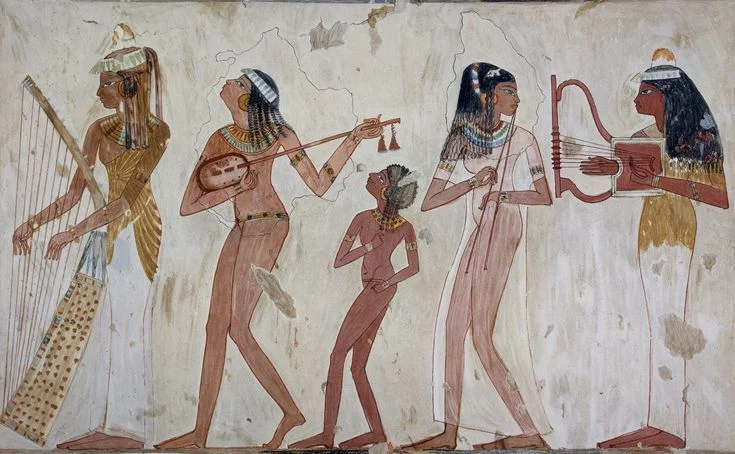
Wedding celebrations in Ancient Egypt were often simple compared with royal ceremonies but could include gatherings of family members, friends, music, food, and gifts. These celebrations marked the beginning of a new household and provided an opportunity for both families to recognize the union. Wealthier families could organize larger celebrations with greater displays of luxury, including fine clothing, jewelry, and elaborate meals.

One important part of Ancient Egyptian Marriage traditions was the exchange of possessions and agreements between families. Although there was no single standardized wedding contract during all periods of Egyptian history, couples often made arrangements concerning property, financial responsibilities, and household duties. These agreements helped protect both husband and wife and provided security within the marriage.

The bride’s possessions were considered important, and Egyptian women often maintained control over their own property. This practice reflected the broader legal rights enjoyed by Ancient Egyptian Women. A woman could bring wealth into the marriage and maintain ownership of certain possessions, providing her with financial independence.

Marriage was also connected to hopes for children and family continuation. Egyptians believed that having children brought happiness, security, and social respect. Raising children ensured that family traditions would continue and that parents would be remembered after death through offerings and prayers.

Appearance and clothing could also play a role in wedding traditions. Couples often wore their finest linen garments and jewelry during important celebrations. Perfumes, flowers, and decorations were commonly associated with happiness and prosperity.

The marriage customs of Ancient Egypt demonstrate that Egyptians viewed marriage as a partnership built on cooperation, respect, and responsibility. These traditions helped create stable families that formed the foundation of Egyptian society.
Marriage Contracts and Legal Rights in Ancient Egypt

Marriage contracts were an important part of the Ancient Egypt Marriage System because they provided financial protection and defined responsibilities between husbands and wives. Although marriage was often established through social agreement, written documents became increasingly important during certain periods of Egyptian history. These legal agreements demonstrate the advanced nature of Egyptian society and the recognition of women’s rights within marriage.

Ancient Egyptian Marriage contracts were not always identical to modern legal agreements, but they served important purposes. They could outline financial obligations, property arrangements, and responsibilities between the couple. Such documents helped protect women by ensuring that husbands provided appropriate support and respected the wife’s personal possessions.

One of the most significant aspects of these agreements was the protection of women’s property rights. Ancient Egyptian Women could own and inherit wealth independently, and marriage did not automatically transfer control of their possessions to their husbands. A woman could maintain ownership of property she brought into the marriage and could also receive additional possessions during her lifetime.

Marriage documents sometimes included statements about financial support and compensation if the relationship ended. These agreements helped provide security for women and children in cases of separation. The existence of such legal protections shows that Egyptian women had recognized rights and were not completely dependent on male relatives.

Egyptian legal traditions allowed women to participate in economic and legal matters. They could make agreements, own land, and appear before officials when disputes occurred. This legal independence was unusual compared with many other ancient civilizations.

Marriage contracts also reflected the importance Egyptians placed on order and responsibility. The relationship between husband and wife was viewed as a partnership where both individuals had obligations toward each other and their family.

Archaeological discoveries of legal documents from different periods of Egyptian history provide valuable information about marriage practices. These records reveal that Egyptian couples were concerned with protecting family wealth, ensuring fairness, and maintaining social stability.

The use of marriage contracts demonstrates the sophistication of the Ancient Egypt Marriage System. Through legal agreements, Egyptians created a framework that balanced personal relationships with economic security, allowing marriages to function as stable foundations of family and society.

The Role of Women in Ancient Egyptian Marriage

Women played a central role in Ancient Egyptian Marriage, contributing to family life, household management, economic activities, and social stability. The position of women within marriage reflects one of the most remarkable aspects of Ancient Egypt Women Rights. Unlike many ancient societies where married women had limited legal identities, Ancient Egyptian Women maintained important freedoms that allowed them to participate actively in family and economic matters.

Within the household, wives were responsible for many essential activities that supported family life. They managed food preparation, textile production, childcare, and household organization. These responsibilities were highly valued because the home was considered the foundation of social stability. Mothers also played a major role in teaching children cultural traditions, religious beliefs, and practical skills.

However, the role of women in marriage extended beyond domestic duties. Many married women participated in economic activities, owned property, managed resources, and worked in professions such as textile production, trade, agriculture, and religious service. Their ability to control personal wealth gave them a stronger position within marriage relationships.

Ancient Egyptian wives were not simply dependent members of the household. They could own possessions before and after marriage, inherit property, and make legal decisions. If marriage difficulties occurred, women had the ability to seek legal solutions, including separation in certain circumstances. These rights provided women with protection and independence.

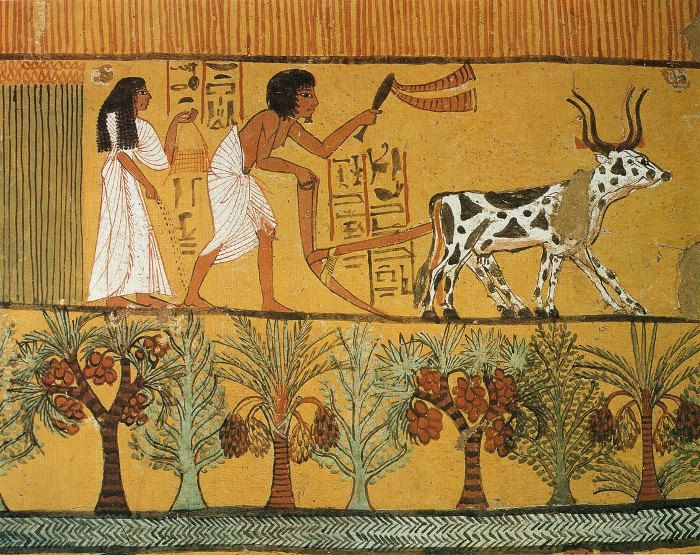
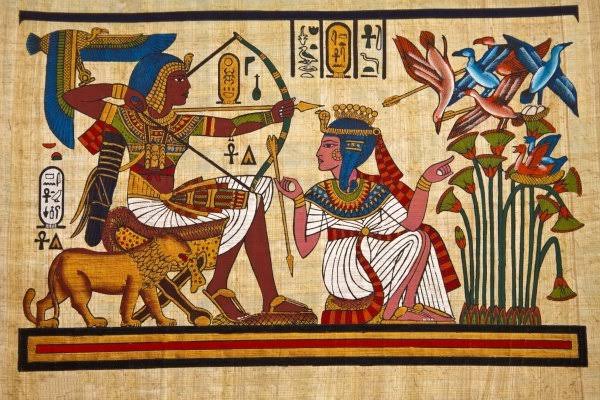
Egyptian artwork often depicts husbands and wives together, showing affection, cooperation, and shared activities. Tomb paintings frequently present couples sitting together, participating in religious ceremonies, or enjoying family moments. These images suggest that marriage could involve emotional connections as well as practical responsibilities.

Respect between husband and wife was an important ideal in Egyptian culture. Literature and inscriptions sometimes emphasize kindness, loyalty, and harmony within relationships. Although men generally held greater authority in public positions, women possessed significant influence within families and communities.

The role of women in Ancient Egyptian Marriage demonstrates that marriage was not only a male-dominated institution but also a partnership where women contributed essential skills, resources, and cultural knowledge. Their legal protections and social responsibilities made them important figures in maintaining the strength and continuity of Egyptian society.

The Responsibilities of Husbands and Wives in Ancient Egypt

The Ancient Egypt Marriage System was built on cooperation between husbands and wives, with each partner contributing to the stability and success of the household. Although Egyptian society generally assigned different responsibilities to men and women, marriage was viewed as a partnership where both individuals had important duties. The relationship between husband and wife was essential for maintaining family traditions, raising children, and supporting economic and social life.

Husbands were traditionally expected to provide financial support and protection for the family. Many men worked as farmers, craftsmen, merchants, soldiers, administrators, or government officials. Their income and labor helped provide food, clothing, housing, and other necessities. A responsible husband was expected to care for his wife and children and maintain a stable household.

Wives played a central role in managing the home and organizing family life. They were responsible for preparing food, producing textiles, caring for children, and supervising household activities. However, their role was not limited to domestic duties. Many women owned property, managed resources, participated in economic activities, and contributed financially to their families.

The responsibilities of Ancient Egyptian Husband and Wife were also connected to raising children. Parents worked together to educate their children, teach moral values, and prepare them for future roles in society. Mothers often taught household skills and traditions, while fathers commonly introduced sons to occupations and practical knowledge.

Marriage relationships were influenced by the Egyptian concept of harmony and balance known as Ma’at. Egyptians believed that cooperation between individuals helped maintain order in society. A successful marriage was based on respect, loyalty, and mutual support rather than only legal obligations.

Evidence from tomb paintings, statues, and written documents suggests that Egyptian couples could share close emotional bonds. Some inscriptions express affection between husbands and wives, showing that marriage involved companionship as well as responsibility.

Although men usually held more public authority, the division of responsibilities allowed both partners to contribute to family success. The Ancient Egypt Marriage System demonstrates that Egyptian society recognized the importance of cooperation between men and women in creating strong households and preserving cultural traditions.

Love, Romance, and Family Relationships in Ancient Egypt

Love and emotional connections were important aspects of Ancient Egyptian Marriage, showing that relationships were not based only on economic or social arrangements. While marriage helped create stable families and preserve traditions, evidence from poetry, artwork, and inscriptions suggests that affection, companionship, and romantic feelings existed between husbands and wives. The Ancient Egypt Marriage System included both practical responsibilities and personal bonds that strengthened family relationships.

Ancient Egyptian love poems provide some of the clearest examples of romantic expression in the ancient world. These writings describe admiration, longing, beauty, and emotional attachment between individuals. They reveal that Egyptians valued personal feelings and believed that love could be an important part of human relationships.

Artistic representations also show the importance of affection within marriage. Tomb paintings often depict husbands and wives sitting closely together, holding hands, sharing activities, or participating in family celebrations. These images suggest that married couples could have strong emotional connections and that companionship was respected within Egyptian culture.

Family relationships extended beyond the husband and wife. Children were considered one of the greatest blessings in Egyptian society because they represented the continuation of the family line. Parents invested significant effort in raising and protecting their children, teaching them traditions, skills, and religious beliefs. A strong family was viewed as a source of happiness and security.

Grandparents and extended relatives also played important roles in many Egyptian households. Family members supported one another economically and socially, creating networks that helped communities survive. Respect for parents and ancestors was a major cultural value because Egyptians believed that maintaining family connections was essential even after death.

Although marriages could sometimes involve practical considerations such as property and social status, emotional relationships were clearly valued. Egyptians understood that cooperation, loyalty, and affection contributed to a successful household.

The presence of love and romance in Ancient Egyptian relationships challenges the idea that ancient marriages were only formal arrangements. The evidence shows that Egyptian couples could experience deep personal connections while also fulfilling the responsibilities expected within society.

The study of love and family relationships provides a more complete understanding of the Ancient Egypt Marriage System and reveals the human emotions that existed behind one of history’s oldest civilizations.

Divorce and Separation in Ancient Egyptian Society

Divorce was a recognized part of the Ancient Egypt Marriage System, demonstrating the practical and flexible nature of Egyptian family law. Unlike many ancient societies where ending a marriage was extremely difficult or impossible, Ancient Egyptian couples could separate under certain circumstances. Both men and women had the ability to seek divorce, and legal traditions provided protections concerning property and financial responsibilities.

Marriage in Ancient Egypt was considered an important social institution, but Egyptians also recognized that relationships could change. If a marriage became unsuccessful, couples could end their union through accepted social and legal procedures. Divorce did not necessarily carry the same negative social meaning that it held in some later cultures.

Ancient Egyptian Women had important protections during divorce. Because women could own property and maintain legal identities, separation did not automatically leave them without financial security. Marriage agreements and property arrangements could help determine responsibilities after divorce. Women could recover personal possessions and, in some cases, receive financial support.

Men and women could both initiate separation, although the specific circumstances varied depending on historical period and social status. Reasons for divorce could include disagreements, lack of support, or personal conflicts. After separation, individuals were generally free to remarry and establish new households.

Children were an important consideration in family relationships. Parents were responsible for their care and upbringing, and family connections remained significant even after a marriage ended. The welfare of children was closely connected to the broader Egyptian emphasis on family continuity.

Legal documents from Ancient Egypt provide evidence of agreements related to divorce and property distribution. These records show that Egyptian society developed practical methods for managing family changes while protecting individual rights.

The ability to divorce reflects the broader legal independence enjoyed by Ancient Egyptian Women and the importance placed on fairness within relationships. While marriage was highly valued, Egyptians understood that social stability sometimes required solutions when relationships failed.

The Ancient Egyptian Divorce System demonstrates that Egyptian family law was more advanced and flexible than many people might expect. By recognizing separation and protecting legal rights, Ancient Egypt created a marriage system that balanced tradition with individual needs.

Marriage Among Royal Families and Pharaohs in Ancient Egypt

Marriage among royal families was one of the most important aspects of the Ancient Egypt Marriage System because royal unions were closely connected to political power, religious beliefs, and the continuation of the Egyptian throne. Unlike ordinary marriages, which were mainly focused on creating stable families, royal marriages often served broader purposes, including strengthening royal authority, preserving dynastic legitimacy, and maintaining connections between powerful families.

The Pharaoh’s role was unique because the king was considered both a political ruler and a sacred figure connected with the gods. Royal marriages helped reinforce this divine image by connecting the royal family with religious traditions. The Great Royal Wife, the Pharaoh’s principal queen, held an important position within the court and often participated in religious ceremonies and official events.

Royal women could possess significant influence. Queens were not merely companions of kings; many acted as advisers, represented the royal family, and played important roles in maintaining political stability. Some queens gained exceptional authority, and a few eventually ruled Egypt themselves. Hatshepsut is one of the most famous examples, becoming Pharaoh and successfully governing Egypt during the Eighteenth Dynasty.

Royal marriages sometimes involved close family relationships. Ancient Egyptian kings occasionally married sisters or other close relatives to preserve royal bloodlines and strengthen claims to the throne. These practices were connected to religious traditions, as Egyptian mythology included divine sibling marriages such as Isis and Osiris. However, royal marriage customs varied across different periods.

Pharaohs often had multiple wives and children because producing heirs was essential for maintaining the dynasty. Royal children received specialized education and were prepared for possible roles in government, religion, or military leadership. Princes competed for succession, while royal daughters could strengthen alliances through marriage.

Political marriages also occurred when Egypt interacted with foreign powers. During certain periods, Egyptian kings married foreign princesses to create diplomatic relationships and strengthen alliances with neighboring kingdoms.

The marriage practices of Pharaohs and royal families reveal the connection between personal relationships and national power in Ancient Egypt. These unions were not only family matters but also important tools for protecting the stability and future of the Egyptian kingdom.

Marriage, Religion, and Social Values in Ancient Egypt

Religion played a major role in shaping the Ancient Egypt Marriage System because Egyptian beliefs influenced ideas about family, relationships, loyalty, and social responsibilities. Although marriage was usually established through social customs rather than religious ceremonies, Egyptian religious traditions provided important values that guided the relationship between husbands, wives, and families.

Ancient Egyptians believed that the universe depended on balance and harmony, a concept known as Ma’at. This principle influenced all areas of life, including marriage. A successful marriage was viewed as a relationship based on cooperation, respect, loyalty, and mutual support. Husbands and wives were expected to contribute to household stability and maintain harmony within the family.

Egyptian mythology included stories of divine couples that represented ideal relationships. The marriage of Isis and Osiris was especially significant because it symbolized loyalty, protection, and devotion. Isis was viewed as a powerful goddess who represented motherhood, wisdom, and family protection. Such religious examples influenced how Egyptians understood the importance of family bonds.

Religious beliefs also affected attitudes toward children and inheritance. Egyptians considered children blessings from the gods because they ensured the continuation of family traditions. Parents hoped that their descendants would preserve their memory and perform religious offerings after death. This belief made marriage an important institution for maintaining family continuity.

Household religious practices were also part of married life. Families often kept small statues or amulets connected to protective deities and performed rituals seeking health, prosperity, and happiness. Women frequently managed many household religious activities, strengthening their role within family life.

Temples and religious institutions also provided opportunities for some women to gain social recognition. Priestesses and temple workers could hold respected positions, demonstrating the connection between religion and women’s roles in society.

The influence of religion on marriage shows that Ancient Egyptians viewed family relationships as part of a larger moral and cosmic order. Marriage was not only a personal agreement between two people but also a social responsibility connected to tradition, spirituality, and the continuation of Egyptian civilization.

The Evolution of the Ancient Egypt Marriage System Through History

The Ancient Egypt Marriage System changed and developed throughout the long history of Egyptian civilization, reflecting changes in social structure, economy, politics, and cultural traditions. Although marriage remained an important foundation of Egyptian society for thousands of years, customs and legal practices evolved from the Early Dynastic Period through the Ptolemaic era.

During the earliest periods of Egyptian history, marriage was primarily a social arrangement focused on creating families and maintaining community stability. Family connections were essential because agricultural communities depended on cooperation and shared responsibilities. Marriage helped organize households and ensured the continuation of family lines.

During the Old Kingdom, the growth of centralized government and powerful royal institutions influenced family structures. Elite marriages often strengthened connections between influential families, while ordinary Egyptians continued to form households based on practical needs. Women maintained important legal and economic roles, although social expectations varied according to status.

The Middle Kingdom saw further development of legal traditions related to marriage and property. Written agreements became increasingly important, providing greater documentation of financial responsibilities and personal rights. These records reveal the sophistication of Egyptian legal practices and the recognition of women’s economic independence.

The New Kingdom brought significant changes due to Egypt’s expansion, increased international contact, and economic growth. Wealthier families experienced new opportunities, and royal marriages became important tools of diplomacy. Women continued to participate in religious and economic life, while some achieved remarkable influence.

During the later periods, including the Ptolemaic era, Egyptian marriage traditions interacted with Greek customs. Some practices changed, but many Egyptian traditions regarding property rights, family relationships, and women’s legal status continued.

The evolution of marriage demonstrates the adaptability of Egyptian society. While the basic goals of marriage remained consistent—creating families, maintaining traditions, and supporting communities—the methods and legal structures surrounding marriage changed over time.

Understanding these developments provides insight into how Ancient Egyptians balanced tradition with social change. The Ancient Egypt Marriage System was not a fixed institution but a living practice that adapted to the needs of one of history’s longest-lasting civilizations.

The Legacy and Historical Importance of the Ancient Egypt Marriage System

The legacy of the Ancient Egypt Marriage System continues to provide valuable information about family life, legal traditions, and social organization in one of history’s greatest civilizations. Marriage in Ancient Egypt was more than a private relationship between individuals; it was a powerful institution that supported economic stability, cultural continuity, and the development of communities throughout the Nile Valley.

One of the most significant achievements of the Egyptian marriage system was the recognition of women’s legal and economic rights. Ancient Egyptian Women could own property, inherit wealth, participate in contracts, and maintain personal independence within marriage. These protections were unusual in the ancient world and demonstrate the complexity of Egyptian social and legal traditions.

The Egyptian approach to marriage also reveals the importance of cooperation between men and women. Although responsibilities were often divided according to traditional gender roles, husbands and wives contributed together to the success of the household. Family relationships were built on shared duties, respect, and the goal of preserving traditions for future generations.

Marriage also played a major role in maintaining Egyptian culture. Through families, children learned language, religion, occupations, and social values. Parents passed knowledge from one generation to another, allowing Egyptian traditions to survive for thousands of years.

The study of Ancient Egyptian Marriage provides historians with valuable evidence about everyday life beyond temples and monuments. Marriage contracts, artwork, legal documents, and archaeological discoveries reveal the personal experiences of ordinary people and royal families alike.

The influence of Ancient Egyptian marriage traditions can still be seen in modern discussions about family law, women’s rights, and social organization. The Egyptian example demonstrates that ancient societies could develop sophisticated systems that recognized individual responsibilities and protections.

The Ancient Egypt Marriage System remains an important subject of historical study because it reflects the values, beliefs, and achievements of Egyptian civilization. By examining marriage practices, we gain a deeper understanding of how families functioned and how relationships contributed to the strength and continuity of one of humanity’s most remarkable cultures.

Frequently Asked Questions

Marriage in Ancient Egypt was mainly based on mutual agreement between a man and a woman rather than a complicated religious ceremony. A couple was considered married when they established a household together with the acceptance of their families. Marriage focused on creating a stable family, supporting each other, and continuing family traditions.

Yes, Ancient Egyptian Women had important rights within marriage. They could own property, inherit wealth, manage personal possessions, and maintain legal identities after marriage. Women could also make agreements and seek legal protection if problems occurred within the marriage relationship.

Yes, divorce was allowed in Ancient Egyptian society. Both husbands and wives could seek separation, and legal traditions provided protections regarding property and financial responsibilities. After divorce, individuals could remarry and establish new households.

Ancient Egyptian marriages often involved practical considerations such as family stability, economic security, and social connections, but love and affection were also important. Ancient Egyptian poetry, artwork, and inscriptions show evidence of romantic feelings, companionship, and emotional bonds between husbands and wives.


Marriage was important because it created the foundation of family life, inheritance, and social stability. It allowed Egyptians to raise children, preserve traditions, and maintain connections between generations. Families were considered essential for continuing cultural values and ensuring the future of Egyptian civilization.