
1. The Origins of Ancient Egyptian Surgery
The origins of Ancient Egypt surgery knowledge developed from the need to treat injuries and physical trauma. From the earliest periods of Egyptian civilization, people experienced wounds, fractures, burns, animal injuries, and accidents that required practical treatment.
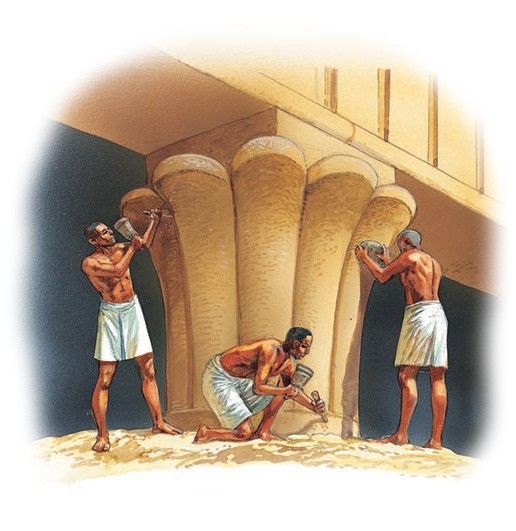
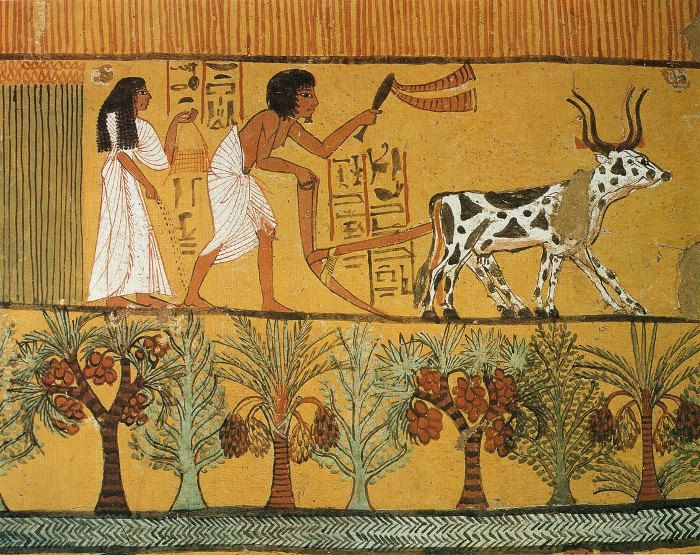
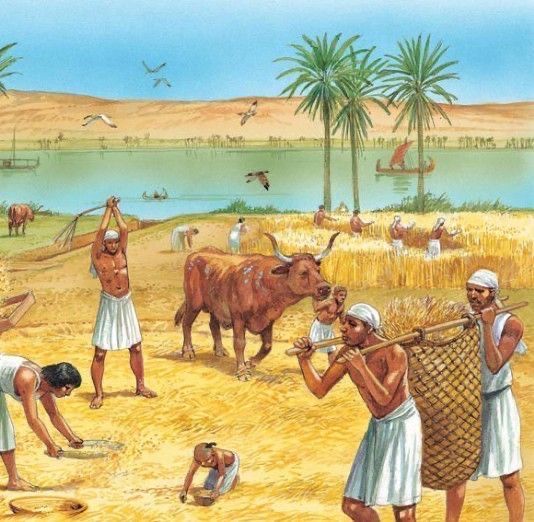
Farmers could be injured while working with animals and agricultural tools. Construction workers faced risks while quarrying stone and building monuments. Soldiers suffered wounds during military campaigns.
These experiences provided physicians with opportunities to observe different types of trauma and develop methods for treating them.
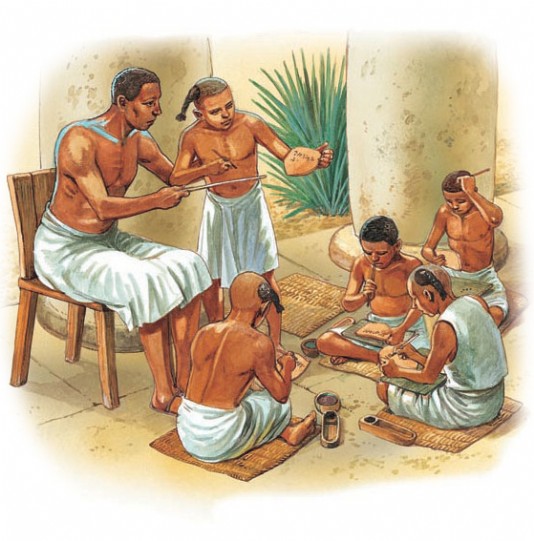
Early medical knowledge was probably transmitted through experience and oral teaching. Over time, successful treatments could become established traditions.
Egyptian physicians gradually recorded medical knowledge in written documents. These texts preserved information about symptoms, treatments, and expected outcomes.
The development of surgery was closely connected with general medicine. Doctors needed to understand the appearance of wounds, bleeding, swelling, infection, and damage to different parts of the body.
The Edwin Smith Papyrus provides the clearest surviving evidence of this approach. Its organization of trauma cases suggests that Egyptian physicians had developed a systematic method for examining injuries.
Some cases are described in considerable detail, with the physician instructed to examine the patient and determine the appropriate response.
The text also distinguishes between conditions that could be treated and those that were considered difficult or impossible to cure.
This emphasis on prognosis is particularly significant.
Egyptian surgery was not a modern surgical system, but it was more than simple folk medicine. It represented accumulated professional knowledge developed through repeated observation.
The origins of Egyptian surgical practice therefore demonstrate how practical medical knowledge can develop through experience.
Over generations, Egyptian physicians refined methods for managing injuries and preserved their knowledge through professional teaching and written records.
2. The Edwin Smith Papyrus and Surgical Knowledge
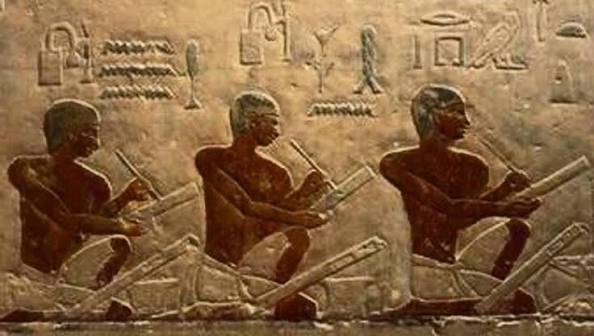
The Edwin Smith Papyrus is the most important surviving source for understanding Ancient Egypt surgery knowledge. It is a medical text focused primarily on injuries and trauma.
The papyrus is organized into individual cases. Each case describes an injury and provides information about examination, diagnosis, prognosis, and treatment.
This structure is particularly valuable because it demonstrates an organized approach to medical observation.
The physician is instructed to examine the patient and identify physical signs. The location and severity of an injury were important factors in determining treatment.
The text includes injuries involving the head, neck, spine, chest, and other parts of the body.
Some cases involve wounds, fractures, dislocations, and other forms of trauma.
The physician could be instructed to clean, bandage, or otherwise treat the injury.
In more serious cases, the text discusses the expected outcome.
One of the most remarkable aspects of the papyrus is its attention to prognosis. Rather than assuming that every injury could be cured, Egyptian physicians recognized that some conditions were treatable while others could be fatal.
This suggests that doctors relied on accumulated clinical experience.
The papyrus also contains relatively little magical material compared with some other Egyptian medical texts. Its emphasis on physical examination and treatment makes it particularly important in the history of medicine.
The document does not prove that Egyptian surgery was equivalent to modern medicine. Many procedures were limited by the technology and anatomical knowledge available at the time.
Nevertheless, it provides strong evidence that Egyptian physicians developed a systematic approach to trauma.
The Edwin Smith Papyrus remains one of the most important documents for studying ancient medical knowledge.
It demonstrates that Egyptian doctors observed injuries carefully, recorded their findings, considered prognosis, and attempted practical treatment.
3. Ancient Egyptian Wound Treatment
Wound treatment was a central part of Ancient Egypt surgery knowledge. Egyptians developed practical methods for cleaning, protecting, and treating injuries.
Wounds could result from warfare, agricultural accidents, construction work, animal attacks, and everyday activities.
The first concern was often to assess the severity of the injury. Physicians examined the wound and considered its location, depth, bleeding, and other symptoms.
Bandaging was an important treatment method. Egyptians produced linen from flax, creating a flexible material suitable for covering wounds.
Linen could help protect an injury from dirt and physical irritation.
Honey was another important substance in Egyptian wound treatment. Ancient Egyptian physicians used it in medical preparations, and modern research has shown that honey can have antimicrobial properties.
Oils and fats were also used in various treatments. They could help protect and soften damaged skin.
Resins and plant products appeared in some medical preparations.
Doctors could apply medicinal substances directly to wounds before covering them with bandages.
The treatment of wounds required regular observation because an injury could deteriorate over time.
Egyptian physicians recognized that some wounds were more dangerous than others. Injuries involving important organs or major blood vessels could have severe consequences.
The Edwin Smith Papyrus provides examples of physicians assessing traumatic injuries and deciding whether treatment was possible.
Egyptian wound care therefore involved several important principles: examination, cleaning or treatment, protection, and observation.
Although Egyptians did not understand bacteria and modern infection control, their practical methods sometimes offered useful protection.
Wound treatment represents one of the clearest areas where Egyptian medical practice combined observation and practical experience.
The techniques were limited compared with modern surgery, but they demonstrate a surprisingly organized approach to trauma care for the ancient world.