
1. Farmers: The Foundation of the Ancient Egyptian Workforce
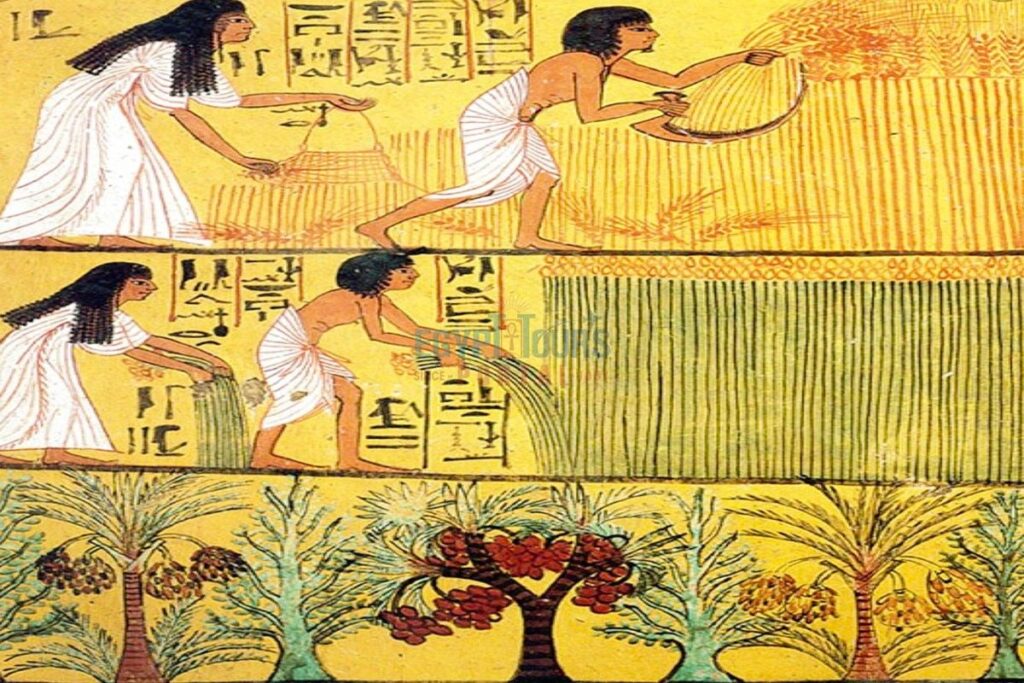
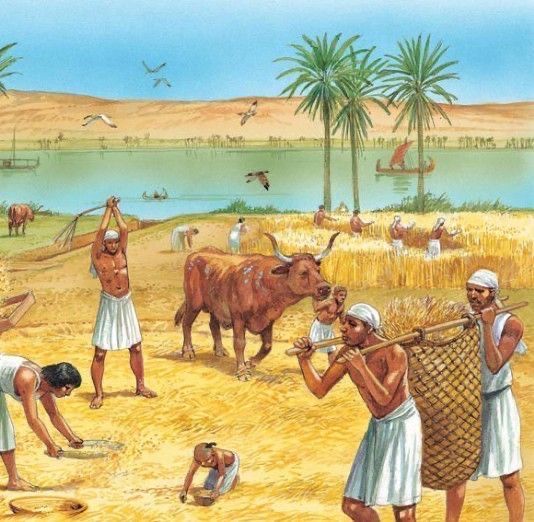
Farmers were the largest and most important group in the Ancient Egypt work system. Since agriculture was the foundation of the economy, farmers provided the food and raw materials needed to support the entire population. Their work along the Nile River allowed Egyptian civilization to grow and prosper.
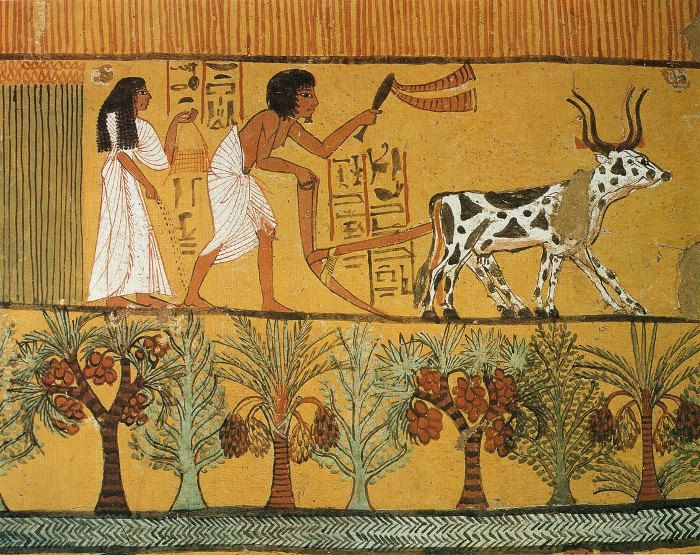
The majority of Egyptians lived in villages near agricultural lands. Farmers cultivated crops such as wheat, barley, flax, vegetables, and fruits. Wheat was especially important because it was used to produce bread, one of the main foods in Ancient Egyptian society. Barley was used for making beer, which was also an important part of daily life.
The farming year was organized around the Nile flood cycle. Ancient Egyptians divided agricultural activities into three main seasons: the flooding season, the planting season, and the harvesting season. During the flood season, farmers had more available time and often participated in construction projects organized by the government.
Farmers used different tools to improve agricultural production. They worked with wooden plows, sickles, hoes, and irrigation equipment. They also used canals and water management systems to distribute Nile water across farmland.
In addition to crop production, many farmers raised animals such as cattle, sheep, goats, and poultry. Animal farming provided meat, milk, leather, and materials used in daily life.
Farmers paid taxes to the government through agricultural products. Officials measured harvests and collected portions of crops to support temples, armies, workers, and government institutions.
Although farmers were among the lowest social groups, their contribution was extremely valuable. Without their agricultural production, Egypt could not have supported its cities, monuments, or complex administration.
The work of farmers represents the foundation of the Ancient Egyptian economy and labor system. Their relationship with the Nile River created one of the most productive agricultural societies of the ancient world.
2. Craftsmen and Skilled Workers in Ancient Egypt
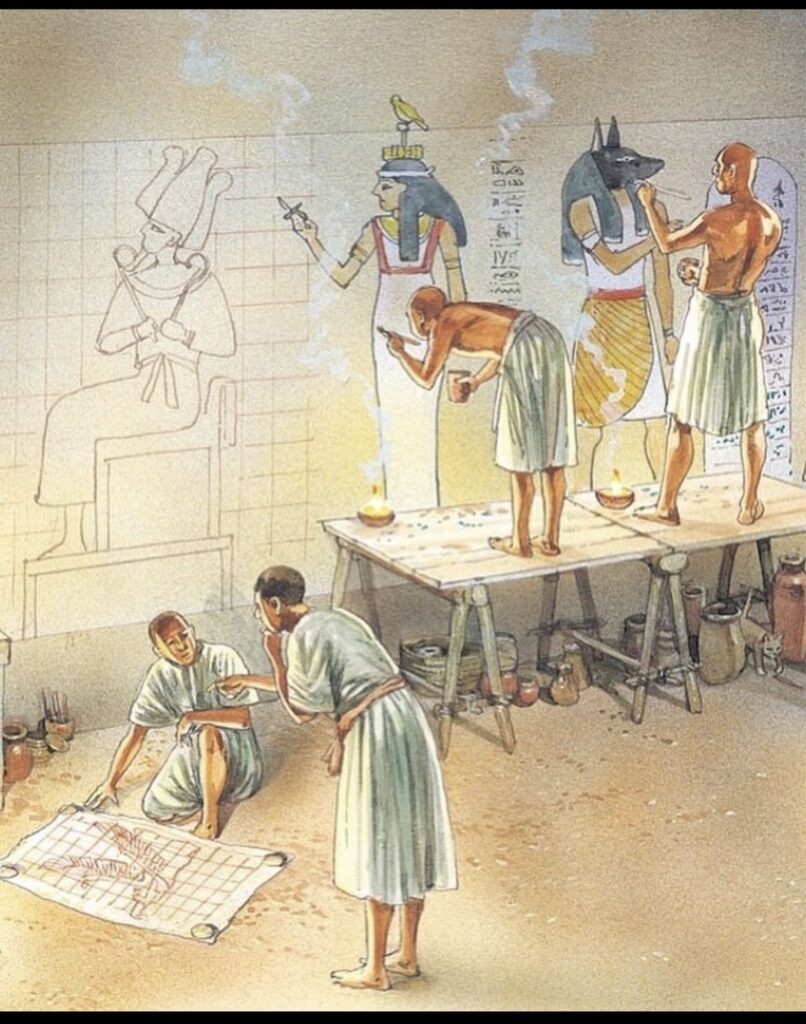
Craftsmen were among the most respected workers in the Ancient Egypt work system because they possessed specialized skills required to create valuable products. Their abilities contributed greatly to Egyptian art, architecture, trade, and cultural development.
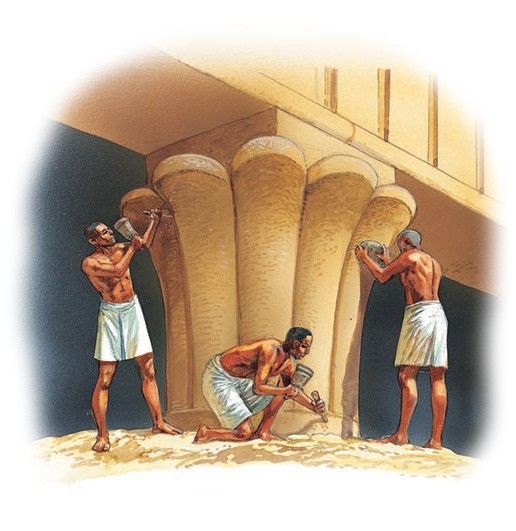
Ancient Egyptian craftsmen worked in many fields, including jewelry making, pottery production, woodworking, metalworking, stone carving, textile production, and sculpture. Each profession required years of training and experience.
Jewelry makers created beautiful objects using gold, silver, precious stones, and colored materials. Egyptian jewelry was not only decorative but also had religious and symbolic meanings. Royal families and temples especially valued skilled jewelers.
Stone workers played a crucial role in construction projects. They extracted and shaped limestone, granite, and sandstone used for temples, statues, and monuments. Their craftsmanship helped create many of the structures that represent Ancient Egypt today.
Carpenters produced furniture, boats, doors, and wooden objects. Since Egypt had limited forests, imported wood was highly valuable, making skilled woodworking an important profession.
Textile workers produced linen, one of Egypt’s most famous products. Linen was used for clothing, household materials, and religious purposes. Skilled weavers created high-quality fabrics that were also used in trade.
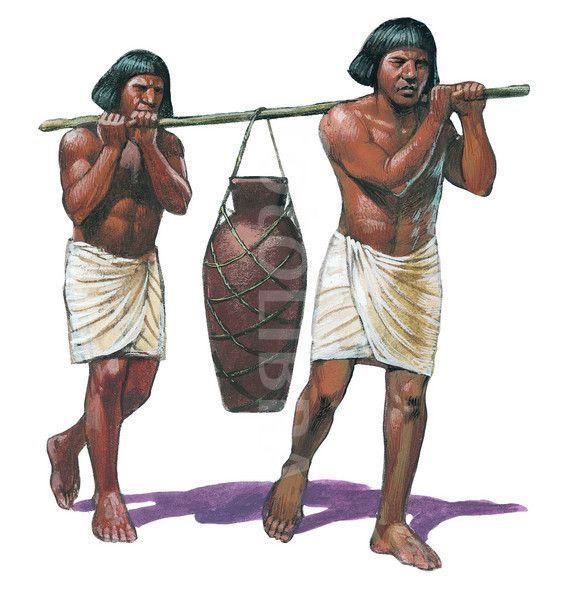
Potters produced containers for storing food, water, oils, and other goods. Their products were essential for everyday life and economic activities.
Many craftsmen worked in specialized workshops connected to temples, royal palaces, and government institutions. These workshops provided materials, tools, and organized employment.
Skilled workers often received better wages and living conditions compared with ordinary laborers. They could gain respect and higher social status because their skills were valuable.
The work of craftsmen demonstrates the importance of specialization in Ancient Egypt. Through creativity, technical knowledge, and dedication, craftsmen helped build a civilization known for its remarkable artistic and architectural achievements.
3. Builders and Construction Workers in Ancient Egypt
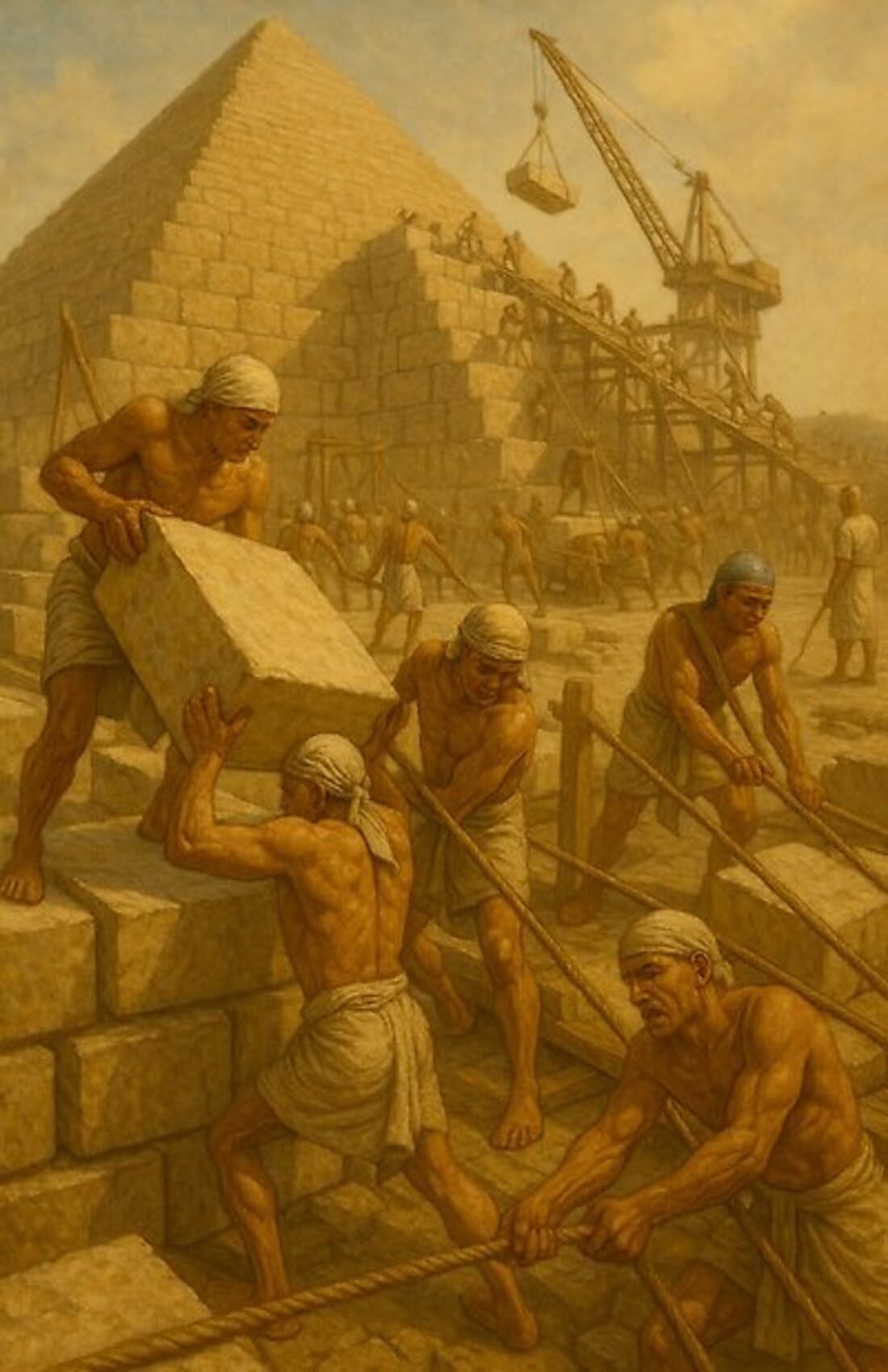
Construction workers were among the most important groups in the Ancient Egypt labor system. They were responsible for building some of history’s greatest monuments, including pyramids, temples, tombs, statues, and royal structures.
Large construction projects required thousands of workers with different skills. The workforce included stone cutters, builders, engineers, transport workers, architects, painters, and supervisors. Each group had a specific role in completing massive projects.
Stone workers extracted blocks from quarries and shaped them according to building plans. Transport workers moved heavy stones using sledges, boats, and organized transportation systems. Builders carefully placed stones to create strong and impressive structures.
Engineers and architects planned construction projects. They calculated measurements, designed structures, and supervised technical details. Their knowledge allowed Egyptians to create buildings with remarkable accuracy.
Many workers were organized into teams. Archaeological discoveries show that construction workers lived in organized communities near major building sites. These communities included houses, bakeries, workshops, and storage areas.
Workers received regular payments in the form of food supplies and other goods. They were provided with bread, beer, vegetables, clothing, and sometimes additional benefits.
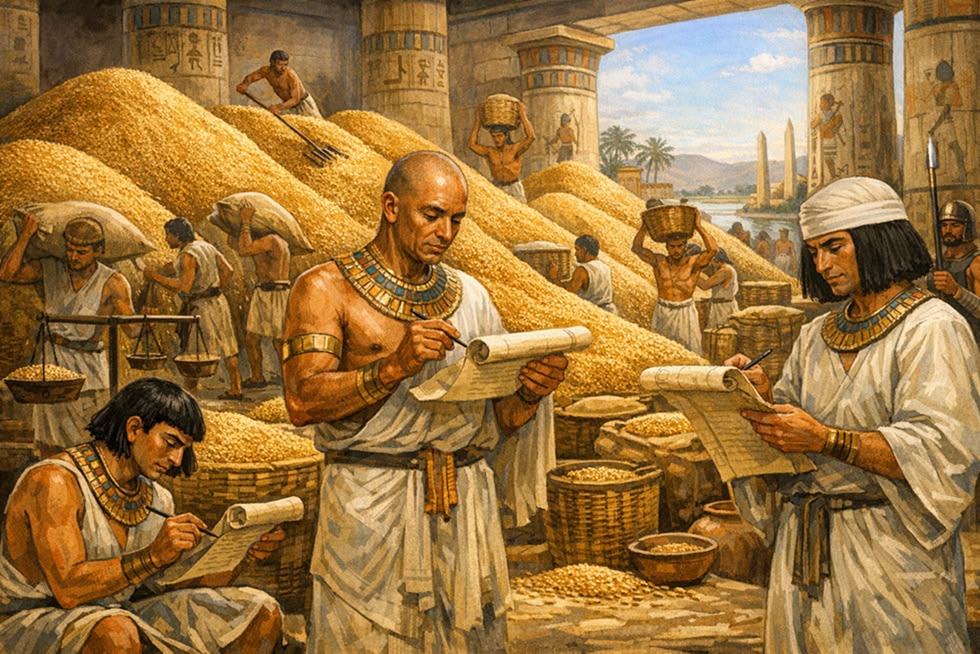
The government played a major role in construction labor. Officials organized workers, supplied materials, and managed schedules. Scribes recorded the number of workers and the resources needed for projects.
Construction work was not always performed by slaves, as commonly believed. Many workers were skilled laborers, craftsmen, and seasonal workers who contributed through organized employment systems.
The achievements of Egyptian builders demonstrate the effectiveness of the Ancient Egyptian work system. Their cooperation, skills, and organization allowed Egypt to create monuments that remain among the greatest achievements of human history.