
1. The Origins and Development of Ancient Egyptian Writing
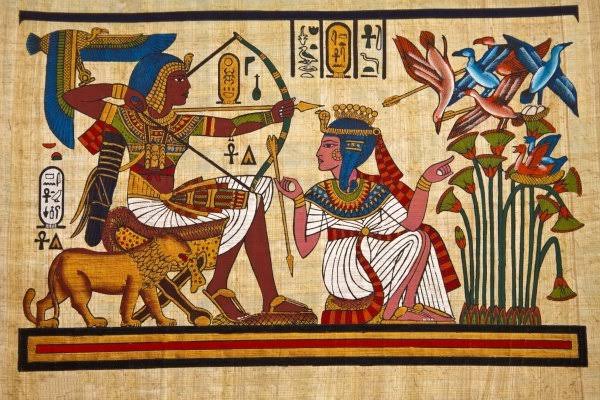
The origins of the Ancient Egyptian writing system began during the late Predynastic Period and early Dynastic Period, around 3200 BCE. The development of writing was closely connected to the growth of government, trade, and organized society.
Before writing existed, Egyptians used simple symbols and markings to represent objects, ownership, and important information. As communities became larger and administration became more complex, a more advanced communication system became necessary.
The earliest Egyptian writings were mainly used for practical purposes. Officials recorded information about goods, taxes, agricultural resources, and royal possessions. These early records helped rulers manage the growing Egyptian state.
Over time, Egyptian symbols became more organized and developed into a complete writing system. The earliest forms combined pictures with sounds, allowing Egyptians to express more complicated ideas.
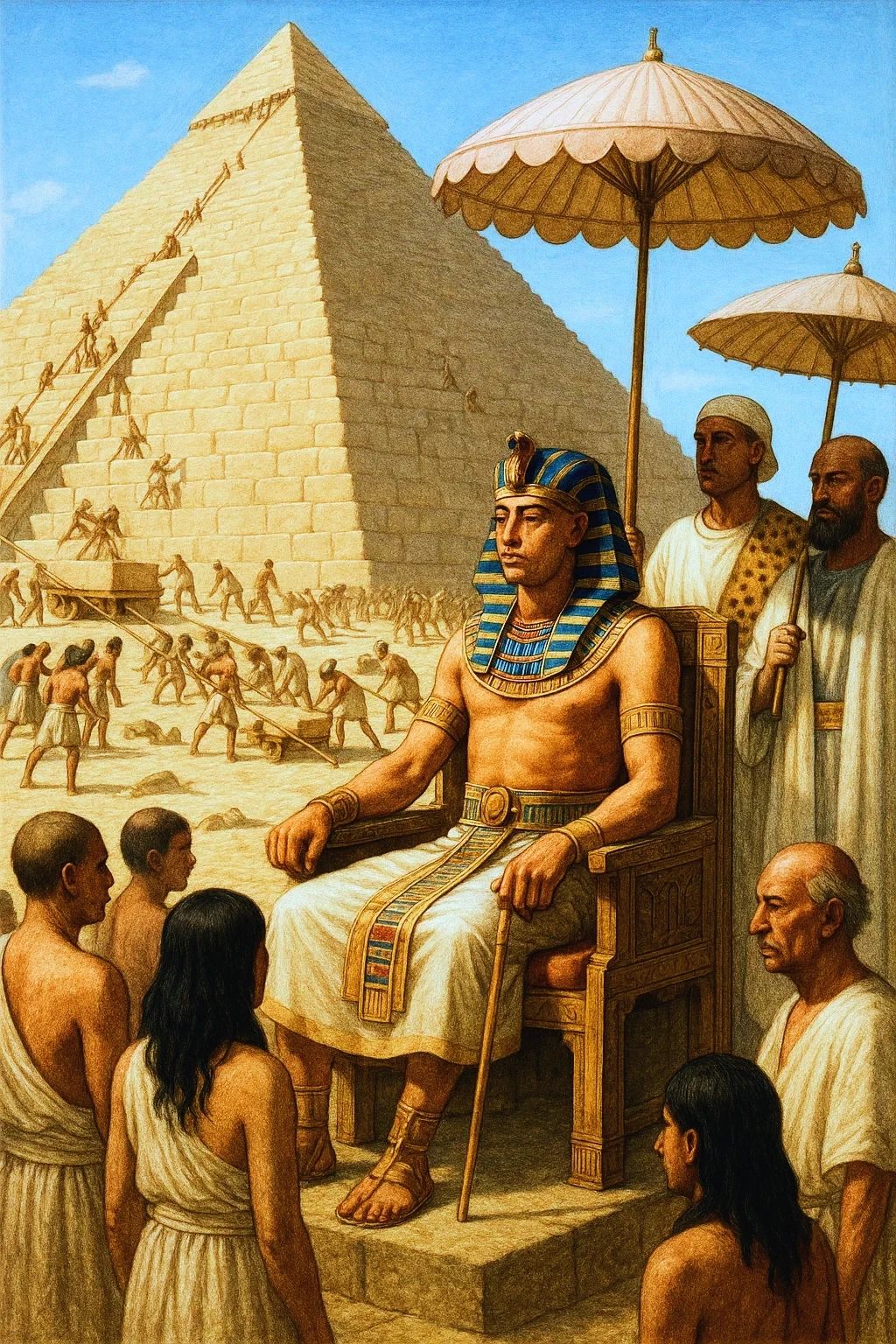
The invention of writing supported the development of centralized government. The Pharaoh and officials needed written records to control resources, organize workers, and communicate decisions throughout the kingdom.
Early inscriptions were often found on pottery, stone objects, labels, and royal monuments. These writings provide valuable information about early Egyptian rulers and society.
During the Old Kingdom, writing became more advanced. Hieroglyphic inscriptions appeared on pyramids, temples, and tombs. Religious texts, including the Pyramid Texts, represented some of the earliest examples of Egyptian literature.
The Middle Kingdom brought further development of the language and writing style. Egyptian literature expanded, and new administrative documents provided detailed information about society and government.
During the New Kingdom, writing reached a high level of sophistication. Large temples contained detailed inscriptions describing military victories, religious beliefs, and royal achievements.
The Ancient Egyptian writing system continued evolving until the Roman period. Although different scripts appeared over time, writing remained essential to Egyptian culture.
The development of writing transformed Ancient Egypt into one of the best-documented civilizations of the ancient world. Through written records, modern historians can understand Egyptian religion, economy, politics, and everyday life.
2. Hieroglyphics: The Most Famous Ancient Egyptian Script
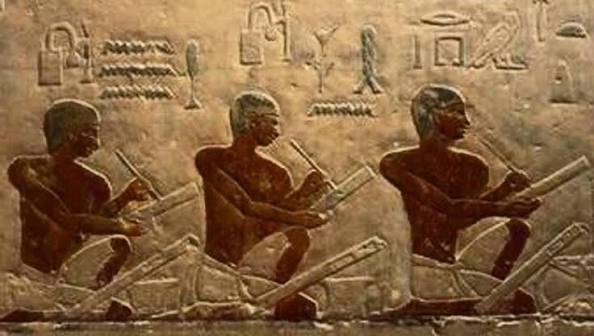
Ancient Egyptian hieroglyphics are the most recognized element of the Egyptian writing system. The word “hieroglyph” comes from Greek meaning “sacred carvings,” because these symbols were often used on temples, monuments, and religious structures.
Hieroglyphics consisted of hundreds of symbols representing sounds, objects, and ideas. Some symbols represented single sounds, similar to letters in modern alphabets, while others represented groups of sounds or complete concepts.
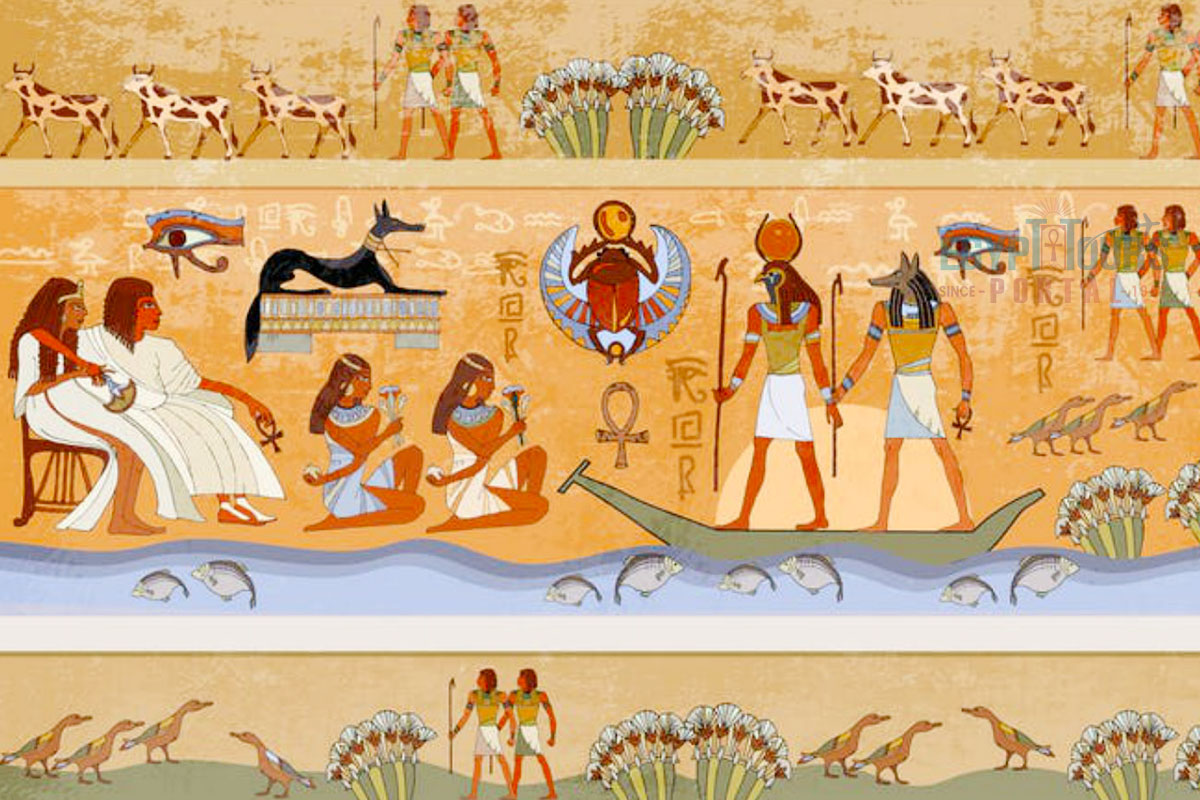
Egyptian hieroglyphs included images of animals, plants, tools, body parts, and natural elements. For example, symbols could represent birds, animals, water, sunlight, or human activities.
The meaning of hieroglyphic writing depended on the combination of symbols and their context. Ancient Egyptian writing was not simply a collection of pictures; it was a sophisticated language system with grammar and structure.
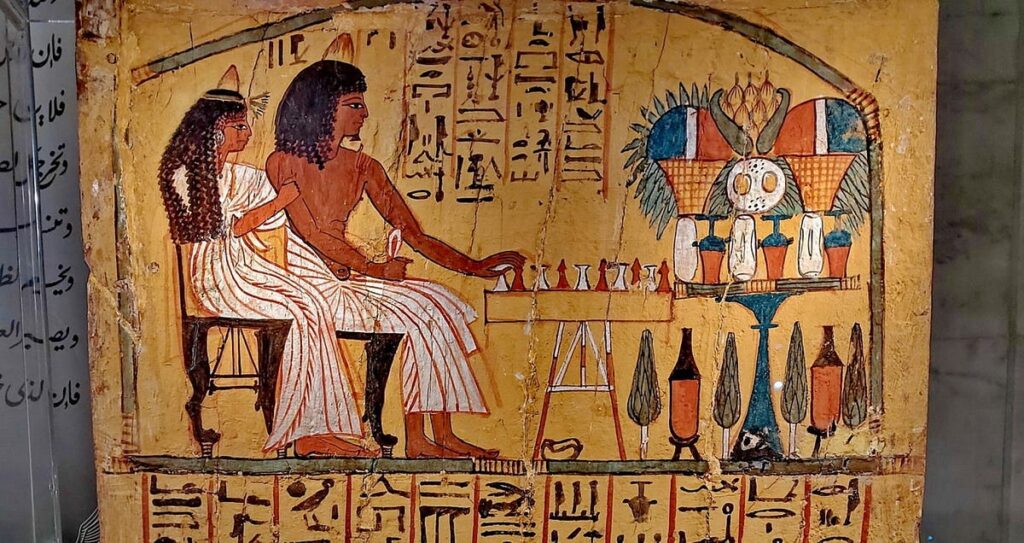
Hieroglyphics were mainly used for important and permanent texts. They appeared on temple walls, royal monuments, statues, tombs, and religious documents.
The beauty of hieroglyphic writing was an important part of Egyptian art. Symbols were carefully carved and painted, creating inscriptions that were both informative and decorative.
Religious texts used hieroglyphics extensively. Egyptians believed that written words had power, especially names and religious formulas. Writing a person’s name was considered important for preserving identity in the afterlife.
Hieroglyphics also recorded historical events. Pharaohs used inscriptions to describe battles, achievements, building projects, and relationships with foreign lands.
Although hieroglyphics were complex, trained scribes mastered thousands of symbols through education and practice.
For centuries, the meaning of hieroglyphics was unknown after Ancient Egyptian civilization declined. The discovery of the Rosetta Stone in 1799 helped scholars decode Egyptian writing.
Today, hieroglyphics remain one of the most important symbols of Ancient Egyptian civilization. They provide a direct connection to the thoughts, beliefs, and achievements of ancient Egyptians.
3. Hieratic and Demotic Scripts: Everyday Forms of Egyptian Writing
While hieroglyphics were used for monuments and important inscriptions, Ancient Egyptians developed faster writing styles for everyday needs. The two most important simplified scripts were Hieratic and Demotic writing.
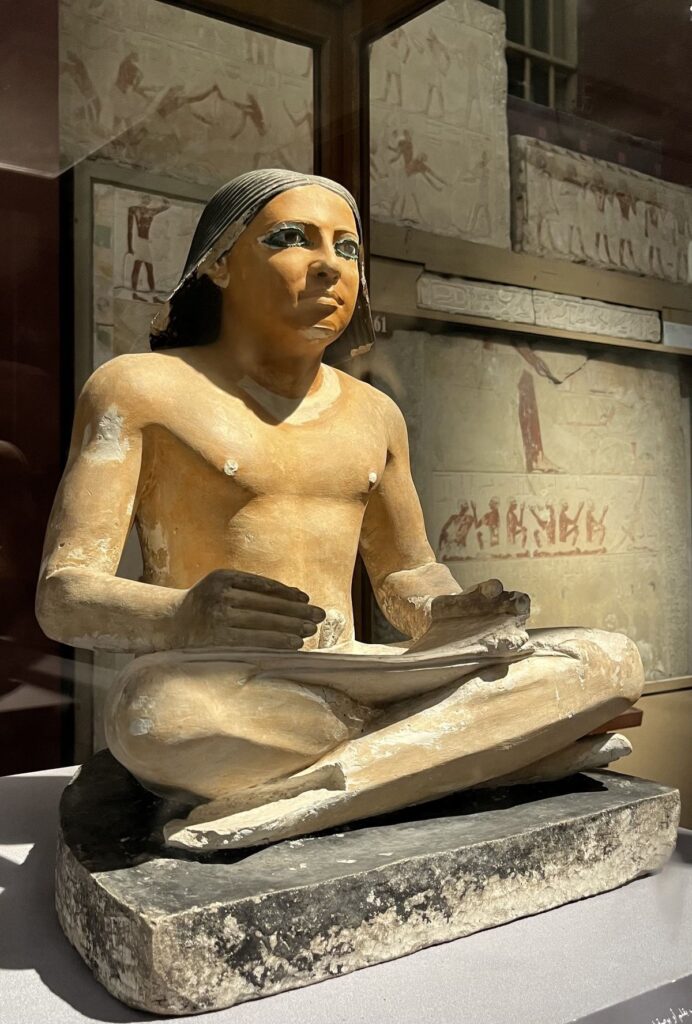
Hieratic developed during the early periods of Egyptian history and was a simplified form of hieroglyphics. It was mainly used by scribes for administrative, religious, and literary documents.
Unlike hieroglyphics, which were often carved into stone, hieratic was usually written with ink on papyrus, wood, leather, or pottery. Its faster style made it practical for daily administrative work.
Scribes used hieratic to record government documents, business transactions, medical texts, mathematical calculations, and religious writings. It became the main script for professional writing for many centuries.
Education in Ancient Egypt focused heavily on learning hieratic because it was necessary for administrative careers. Students practiced writing symbols repeatedly to develop accuracy and speed.
Demotic writing appeared later, around the 7th century BCE, during the Late Period. It was an even more simplified script designed for everyday communication.
The word “Demotic” means “popular” because it was used more widely among ordinary people compared with earlier scripts. It was used for legal documents, contracts, commercial records, and personal letters.
Demotic became especially important during Greek and Roman rule in Egypt. It continued to be used alongside Greek and Egyptian scripts.
The development of these scripts shows the flexibility of the Ancient Egyptian writing system. Egyptians created different writing styles for different purposes, from sacred inscriptions to practical communication.
Hieratic and Demotic scripts provide historians with valuable information about daily life, economic activities, and social relationships in Ancient Egypt.
Together with hieroglyphics, these scripts demonstrate the complexity and sophistication of Egyptian written communication.