
Welcome to

Egypt Guided Tours vs Traveling Independently: Which Is Better?

Egypt is one of the most fascinating travel destinations in the world, offering an incredible mix of ancient monuments, vibrant cities, cultural experiences, desert adventures, and beautiful Red Sea resorts. Whether you dream of exploring the Great Pyramids of Giza, cruising along the Nile River, visiting the temples of Luxor and Aswan, or relaxing on the Red Sea coast, one important decision can shape your entire experience: should you choose a guided tour or travel independently? Both options offer unique advantages, and the best choice depends on your travel style, budget, interests, and level of comfort navigating a foreign destination.

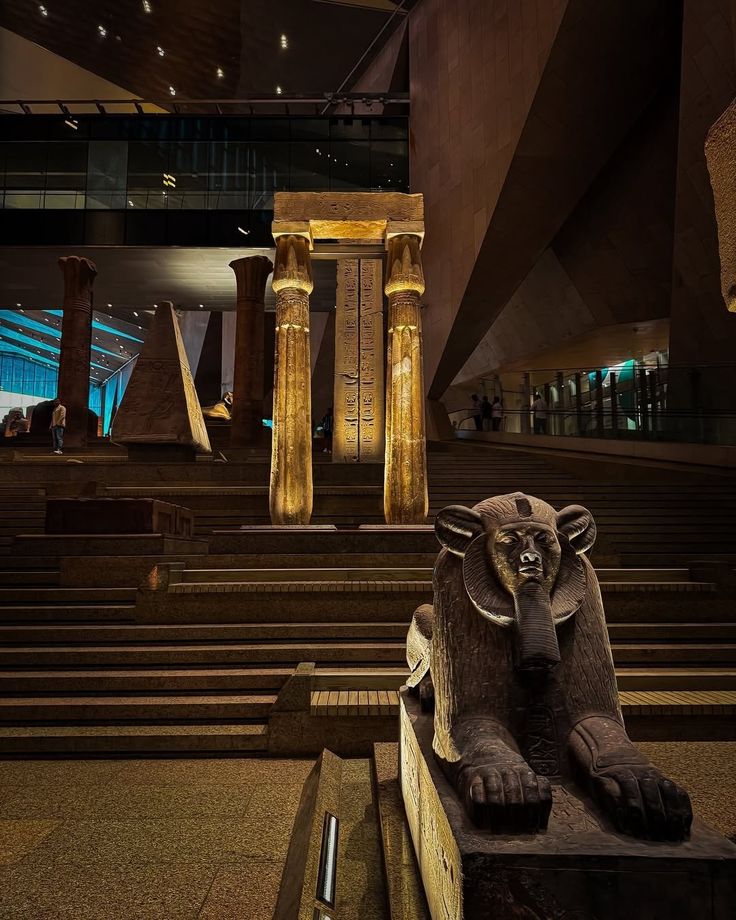
Guided tours in Egypt are one of the most popular ways to explore the country, especially for first-time visitors. Professional Egyptologist guides provide valuable historical knowledge, cultural insights, and logistical support that can greatly enhance the travel experience. Visiting famous sites such as the Great Pyramid of Giza, the Grand Egyptian Museum, the Valley of the Kings, and the Karnak Temple Complex becomes much more meaningful when accompanied by an expert who can explain the stories, symbolism, and historical significance behind these extraordinary landmarks.

One of the biggest advantages of guided tours is convenience. Tour operators typically arrange transportation, entrance tickets, accommodations, domestic flights, Nile cruises, and sightseeing schedules, allowing travelers to focus entirely on enjoying their trip. This can be particularly valuable in Egypt, where major attractions are spread across different regions and logistics can sometimes be challenging for independent visitors. Guided tours also provide local support, helping travelers navigate cultural differences, language barriers, and practical travel arrangements.

Private guided tours offer even greater flexibility by allowing visitors to customize itineraries, choose preferred attractions, and travel at their own pace. This option is especially popular among families, couples, photographers, luxury travelers, and history enthusiasts seeking a more personalized experience.

On the other hand, independent travel offers a different set of advantages. Travelers who prefer flexibility, spontaneity, and complete control over their itinerary often enjoy exploring Egypt on their own. Modern transportation networks, online booking platforms, navigation apps, and readily available travel information have made independent travel more accessible than ever before. Visitors can choose their own schedules, spend as much time as they wish at attractions, and make last-minute changes without being tied to a tour itinerary.

Independent travel may also offer opportunities to discover local neighborhoods, restaurants, markets, and cultural experiences that are not always included in organized tours. Travelers who enjoy planning, researching destinations, and navigating new environments often appreciate the freedom that independent exploration provides.

Cost is another important factor. Independent travel can sometimes be less expensive than organized tours, particularly for budget-conscious travelers who are comfortable arranging transportation, accommodations, and tickets themselves. However, private guided tours in Egypt are often more affordable than many travelers expect, especially when costs are shared among couples, families, or small groups.

Certain destinations in Egypt are particularly well-suited to independent travel, including modern urban areas and Red Sea resort towns such as Hurghada, Marsa Alam, and Sharm El Sheikh. However, for major archaeological sites and historical monuments, many travelers find that guided tours provide significantly greater value due to the depth of historical knowledge and organizational support they offer.

For many visitors, the ideal approach is a combination of both travel styles. Guided tours can be used for major historical attractions such as Cairo, Luxor, Aswan, and Abu Simbel, while independent exploration can be reserved for leisure time in cities, markets, and beach destinations. This balanced approach allows travelers to benefit from expert guidance while still enjoying personal freedom and flexibility.

In this guide, we will compare Egypt guided tours vs independent travel, examining the advantages, disadvantages, costs, convenience, flexibility, safety considerations, and overall travel experience of each option. Whether you are planning your first trip to Egypt or returning to explore more of its incredible treasures, understanding these differences will help you choose the travel style that best matches your goals and expectations.

1. What Is a Guided Tour in Egypt?

A guided tour in Egypt is a structured travel experience organized by a tour company or local travel provider and led by a professional guide, often a licensed Egyptologist. These tours are designed to help visitors explore Egypt’s most important attractions while minimizing the challenges associated with planning, transportation, and logistics. Guided tours can range from a few hours at a single attraction to comprehensive multi-day journeys covering multiple destinations across the country.

Most guided tours include transportation, sightseeing, entrance arrangements, and expert commentary. Depending on the package, accommodations, domestic flights, meals, airport transfers, and Nile cruises may also be included. Travelers benefit from having a knowledgeable guide who explains the historical significance of monuments, temples, museums, and archaeological sites, transforming a simple visit into a much richer educational experience.

Guided tours are available in various formats. Some travelers choose private tours, which offer personalized itineraries and dedicated guides, while others prefer group tours that allow them to share experiences with fellow travelers. Both options provide structured itineraries that help visitors maximize their time and see the most important attractions efficiently.

In Egypt, guided tours are particularly popular because of the country’s vast historical heritage and the large number of archaeological sites spread across different regions. Professional guides help visitors navigate complex historical information while ensuring smooth access to attractions.

For many travelers, guided tours offer a convenient and stress-free way to experience Egypt’s highlights while benefiting from local expertise and organized travel arrangements.

2. What Does Independent Travel in Egypt Look Like?

Independent travel in Egypt involves planning and managing every aspect of the trip without relying on organized tours or dedicated guides. Travelers arrange their own transportation, accommodations, sightseeing schedules, and daily activities, allowing them complete control over their itinerary and travel experience.

One of the biggest attractions of independent travel is freedom. Visitors can decide where to go, how long to stay, and what activities to prioritize without being restricted by fixed tour schedules. This flexibility appeals to adventurous travelers who enjoy discovering destinations at their own pace and making spontaneous decisions along the way.

Independent travelers often use a combination of domestic flights, trains, buses, taxis, and ride-hailing services to move between destinations. They may choose accommodations ranging from budget hostels and guesthouses to luxury hotels, depending on their preferences and budget.

While independent travel offers greater flexibility, it also requires more preparation and research. Visitors must organize transportation, understand local customs, purchase attraction tickets, and learn how to navigate unfamiliar cities and archaeological sites. For experienced travelers, these responsibilities may be part of the adventure. For others, they can become time-consuming or stressful.

One challenge is that many of Egypt’s historical attractions contain complex stories and cultural significance that may not be immediately obvious without expert explanation. Independent travelers often rely on guidebooks, audio guides, mobile applications, or online research to enhance their understanding of the sites they visit.

Despite these challenges, independent travel can be highly rewarding and allows visitors to create a uniquely personal Egyptian adventure based on their individual interests and travel style.
3. Cost Comparison: Guided Tours vs Independent Travel

Cost is often one of the most important factors when deciding between guided tours and independent travel in Egypt. While many travelers assume that independent travel is always cheaper, the reality is more nuanced. The overall value depends on the type of experience a traveler is seeking and how efficiently they can organize their trip.

Independent travel generally provides greater control over spending. Travelers can choose budget accommodations, use public transportation, dine at local restaurants, and prioritize only the attractions they wish to visit. This flexibility can result in significant savings, particularly for backpackers and budget-conscious visitors.

Guided tours, however, often include multiple services bundled into a single price. Transportation, guides, entrance fees, accommodations, and logistical support may all be included. While the initial cost may appear higher, these packages can sometimes offer excellent value when compared to arranging every component separately.

Private guided tours are typically the most expensive option because they provide personalized services, dedicated transportation, and customized itineraries. Group tours are generally more affordable because costs are shared among participants.

Another factor to consider is hidden costs. Independent travelers may encounter unexpected transportation expenses, ticket purchases, or logistical challenges that increase overall spending. Guided tours often reduce these uncertainties by providing clear and predictable pricing.

For travelers who prioritize convenience and expert guidance, guided tours can represent excellent value. Those focused primarily on minimizing expenses may find independent travel more economical. Ultimately, the best choice depends on balancing budget considerations with desired comfort, flexibility, and travel experience.

4. Convenience and Time Efficiency

When comparing guided tours and independent travel in Egypt, convenience and time efficiency are often among the most important factors to consider. Egypt is a large country with attractions spread across multiple cities and regions, and managing transportation, tickets, schedules, and logistics can require significant planning. For many travelers, especially those visiting Egypt for the first time, guided tours offer a clear advantage in terms of convenience.

One of the biggest benefits of guided tours is that most logistical details are handled in advance. Transportation, entrance tickets, hotel pickups, attraction schedules, and local guidance are typically organized by the tour operator. This allows travelers to focus entirely on enjoying their experience rather than worrying about practical arrangements.

Guided tours can also save considerable time. Experienced guides know how to navigate popular attractions efficiently, avoid unnecessary delays, and optimize sightseeing schedules. Visitors can often see more attractions in less time because transportation and planning are professionally managed.

Independent travelers enjoy greater control over their schedule, but they must invest time researching routes, purchasing tickets, arranging transportation, and navigating unfamiliar locations. While some travelers enjoy this level of involvement, it can become challenging when visiting multiple destinations such as Cairo, Luxor, Aswan, Alexandria, and the Red Sea within a limited timeframe.

Time efficiency becomes particularly important for travelers with shorter vacations. A well-organized guided tour can help maximize every day of the trip and reduce the risk of missing key attractions due to logistical difficulties.

Ultimately, travelers who prioritize convenience and efficient use of time often find guided tours to be the more practical option, while those who enjoy planning and flexibility may prefer the independence of managing their own itinerary.

The Best Time to Visit the Red Sea Islands

5. Flexibility and Freedom

Flexibility is one of the strongest advantages of independent travel in Egypt. Travelers who choose to explore the country on their own have complete control over their schedules, destinations, and daily activities. They can decide where to go, how long to stay, and what experiences to prioritize without being restricted by a predetermined itinerary.

Independent travelers often appreciate the freedom to make spontaneous decisions. They may discover a local café, extend their stay in a favorite city, spend extra hours exploring a museum, or change plans entirely based on personal interests. This level of flexibility creates a highly personalized travel experience that many adventurous travelers find rewarding.

Guided tours, particularly group tours, generally follow fixed schedules designed to accommodate multiple participants. While this structure improves efficiency, it may limit opportunities for spontaneous exploration. Travelers are often required to move according to the group’s timetable rather than their individual preferences.

However, private guided tours offer a compromise between structure and flexibility. Many private tours allow travelers to customize itineraries, adjust schedules, and focus on attractions that match their interests. This makes private tours an attractive option for visitors who want expert guidance without sacrificing personal freedom.

The choice ultimately depends on travel style. Travelers who enjoy independence and spontaneous exploration often prefer managing their own itinerary, while those who value convenience and organization may appreciate the structured nature of guided travel.

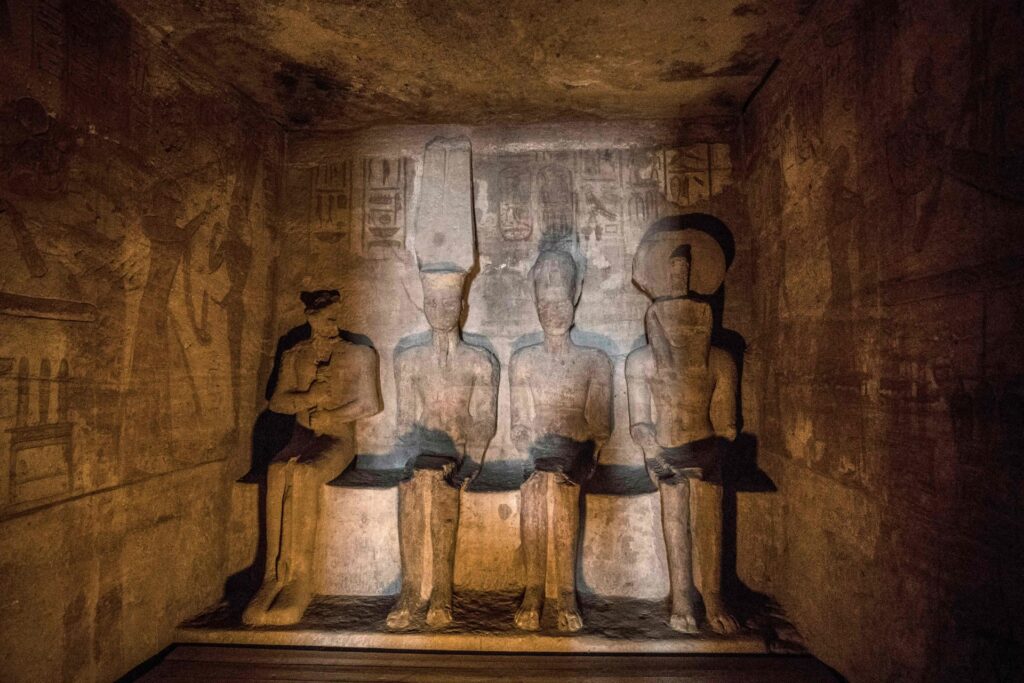
Abu Simbel

6. Learning and Historical Understanding

Egypt is one of the most historically significant destinations in the world, and understanding its ancient monuments, temples, tombs, and cultural heritage can greatly enhance the travel experience. When it comes to learning and historical interpretation, guided tours often provide a substantial advantage over independent travel.

Professional Egyptologists and local guides bring historical sites to life through detailed explanations, stories, and expert insights. Rather than simply viewing monuments, travelers gain a deeper understanding of the people, events, beliefs, and achievements that shaped Ancient Egyptian civilization. This educational aspect can transform a sightseeing excursion into a truly immersive cultural experience.

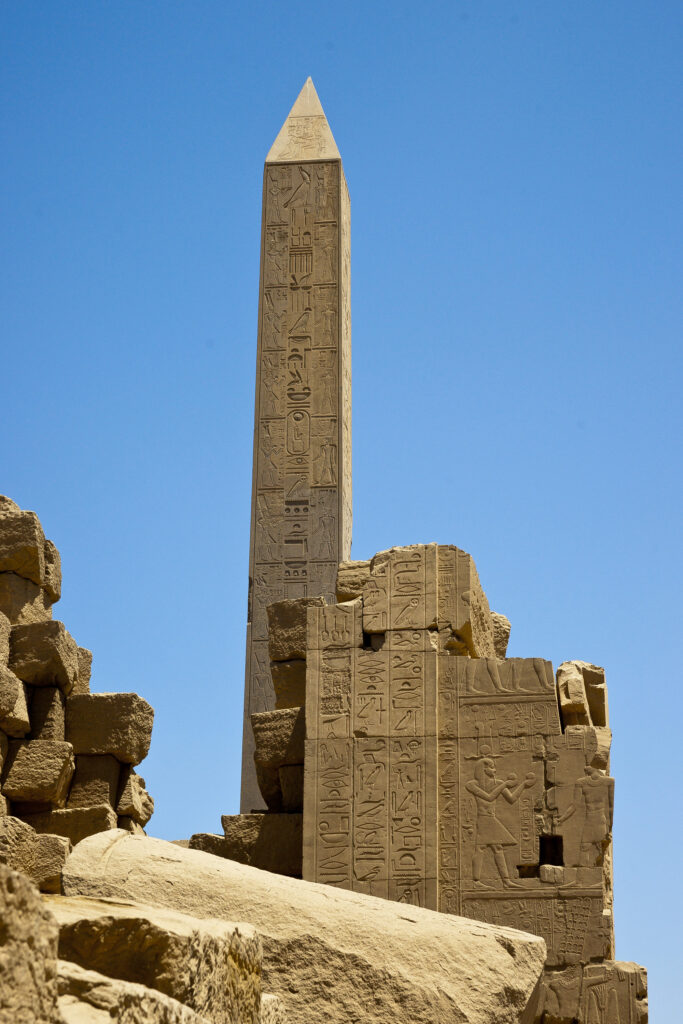
At sites such as the Pyramids of Giza, Karnak Temple, Luxor Temple, the Valley of the Kings, and Abu Simbel, many architectural details and symbolic elements may not be immediately obvious to visitors. Guides help explain the significance of inscriptions, statues, religious practices, and historical events, making each location far more meaningful.

Independent travelers can still learn a great deal through guidebooks, audio guides, museum displays, documentaries, and online resources. Many visitors enjoy researching sites before arrival and exploring at their own pace. However, this approach often requires more preparation and may not provide the same depth of understanding as a knowledgeable guide.

For travelers with a strong interest in history, archaeology, and culture, guided tours typically offer the most educational experience. The opportunity to ask questions and engage directly with experts adds a level of depth that is difficult to replicate independently.

7. Safety and Comfort

Safety and comfort are important considerations for any international trip, and they often play a significant role when choosing between guided tours and independent travel in Egypt. While Egypt is a well-established tourism destination that welcomes millions of visitors each year, navigating a new country can sometimes feel challenging, particularly for first-time travelers.

Guided tours provide an added sense of security because transportation, logistics, and local arrangements are managed by experienced professionals. Guides are familiar with local conditions, attraction procedures, and travel routes, allowing visitors to focus on enjoying their experience rather than worrying about practical concerns.

Comfort is another major advantage of guided travel. Organized tours often include private transportation, hotel transfers, assistance with tickets, and carefully planned schedules. These services reduce travel-related stress and create a smoother overall experience, particularly when visiting multiple destinations across the country.

Independent travelers are responsible for arranging their own transportation, accommodations, and daily logistics. Many experienced travelers enjoy this level of independence and rarely encounter significant difficulties. However, navigating unfamiliar transportation systems, language differences, and local customs may occasionally require additional effort.

Families, senior travelers, honeymooners, and visitors seeking a more relaxed travel experience often find guided tours particularly appealing because of the convenience and support they provide. Meanwhile, confident and experienced travelers may be perfectly comfortable managing their own journey.

Ultimately, both travel styles can be safe and enjoyable when approached responsibly. The best choice depends on how much assistance, structure, and comfort a traveler prefers during their Egyptian adventure.

8. Transportation and Logistics

Transportation and logistics are among the most significant factors that influence the overall travel experience in Egypt. The country’s major attractions are spread across vast distances, with destinations such as Cairo, Luxor, Aswan, Abu Simbel, Alexandria, Hurghada, Sharm El Sheikh, and Siwa Oasis located in different regions. As a result, effective travel planning is essential regardless of whether you choose a guided tour or independent travel.

Guided tours offer a major advantage when it comes to logistics. Tour operators typically arrange transportation, transfers, attraction tickets, hotel pickups, and travel schedules in advance. Visitors simply follow the itinerary while professionals manage the details. This can significantly reduce stress, especially for first-time travelers unfamiliar with local transportation systems and travel procedures.

Another benefit is efficiency. Experienced tour operators know the most practical routes, ideal departure times, and the best ways to coordinate multiple attractions within a limited timeframe. This allows travelers to maximize sightseeing opportunities while minimizing logistical challenges.

Independent travelers enjoy greater control over transportation choices. They can choose between domestic flights, trains, buses, taxis, ride-hailing services, and private drivers depending on their budget and preferences. This flexibility allows visitors to create highly personalized itineraries and make spontaneous adjustments along the way.

However, independent travel requires more planning and coordination. Travelers must research routes, purchase tickets, arrange transfers, and monitor schedules themselves. While many experienced travelers enjoy this process, it can become time-consuming when visiting multiple destinations across Egypt.

For travelers who prioritize convenience and efficiency, guided tours often provide a smoother experience. Those who enjoy planning and flexibility may find independent travel more rewarding despite the additional responsibilities involved.

9. Cultural Experiences and Local Interaction

One of the most rewarding aspects of traveling in Egypt is the opportunity to experience the country’s rich culture and interact with its people. Whether exploring bustling markets, visiting traditional villages, enjoying local cuisine, or simply engaging in everyday conversations, cultural encounters often become some of the most memorable moments of any trip.

Independent travel can provide greater opportunities for spontaneous interactions with local communities. Travelers who explore on their own often spend more time in local cafés, markets, public spaces, and neighborhoods that may not be included in standard tour itineraries. These experiences can create a stronger sense of immersion and allow visitors to discover aspects of Egypt that many tourists never see.

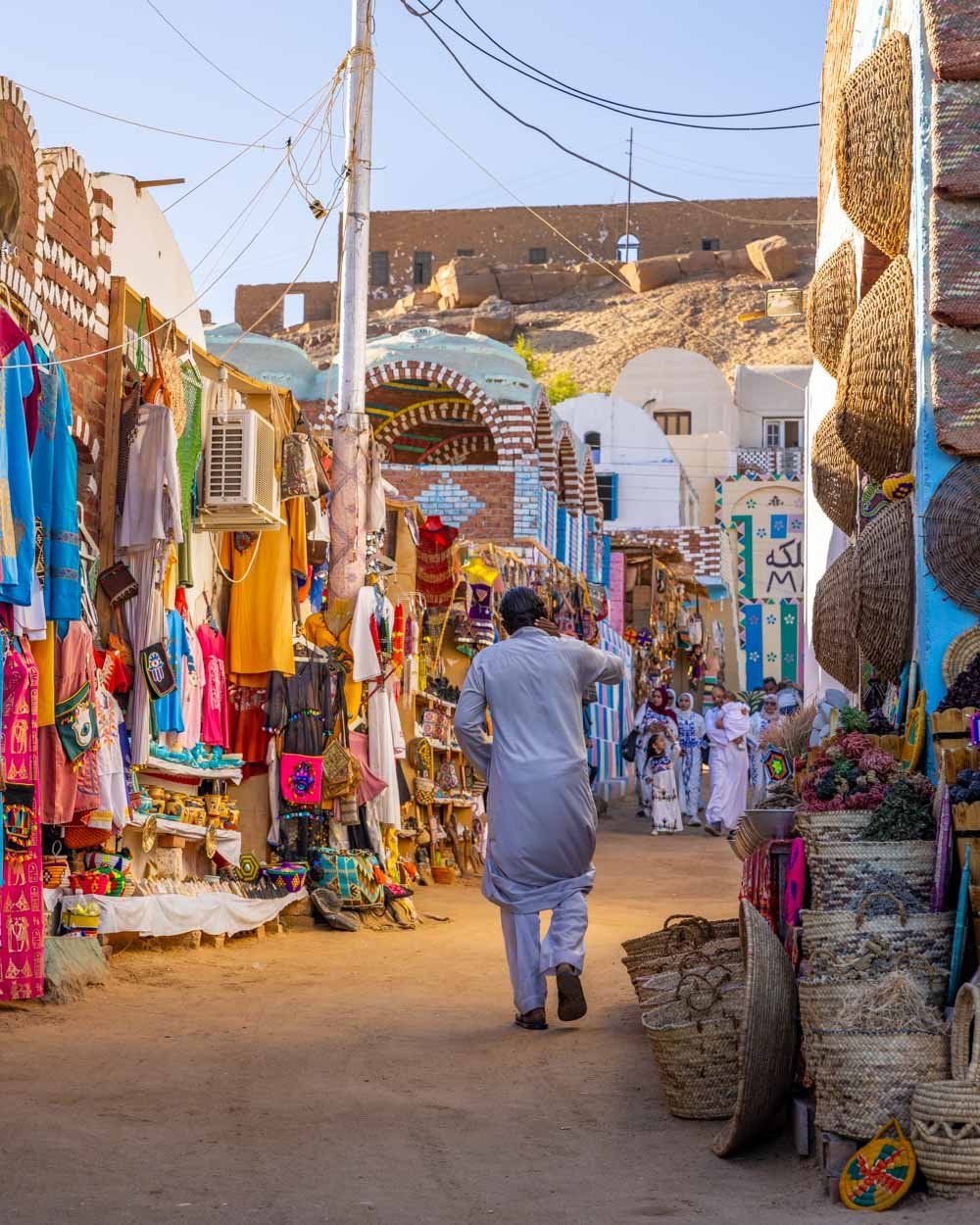
However, guided tours also offer valuable cultural experiences. Professional guides often introduce travelers to local traditions, customs, and ways of life while providing important context that enhances understanding. Many tours include visits to Nubian villages, local markets, traditional restaurants, artisan workshops, and cultural performances that might otherwise be difficult for visitors to arrange independently.

Private guides can also facilitate meaningful interactions with local residents by helping overcome language barriers and providing cultural insights. This often allows travelers to engage more confidently and respectfully with the communities they encounter.

Ultimately, both travel styles offer opportunities for cultural discovery. Independent travel may provide greater spontaneity, while guided tours often deliver deeper context and easier access to authentic local experiences.

Karnak-Temple

10. Which Option Is Better for First-Time Visitors?

For most first-time visitors to Egypt, guided tours generally offer the most practical and rewarding travel experience. The country’s immense historical wealth, large geographic size, and complex logistics can be challenging for travelers who are unfamiliar with the destination. Guided tours help simplify these challenges while maximizing the value of the journey.

One of the biggest advantages for first-time visitors is access to expert knowledge. Egypt’s monuments and archaeological sites contain thousands of years of history, and professional guides help travelers understand the stories behind the places they visit. This deeper understanding often transforms sightseeing into a far more meaningful experience.

Guided tours also reduce the stress associated with transportation, ticket arrangements, scheduling, and navigating unfamiliar environments. Travelers can focus on enjoying Egypt’s attractions rather than managing logistical details.

That said, independent travel may still be an excellent choice for experienced travelers who enjoy planning their own itineraries and navigating new destinations independently. Visitors who have previously traveled extensively or who prefer maximum flexibility may feel comfortable exploring Egypt without organized tours.

For many first-time travelers, however, guided tours provide the ideal balance of convenience, education, safety, and efficiency. They allow visitors to experience Egypt’s most important attractions with confidence while minimizing common travel challenges.

11. Can You Combine Both Travel Styles?

Many travelers assume they must choose between guided tours and independent travel, but in reality, combining both approaches often provides the best overall experience. A hybrid travel style allows visitors to enjoy the advantages of each option while minimizing their respective limitations.

One popular strategy is to use guided tours for major historical attractions and complex destinations while exploring cities and local neighborhoods independently. For example, travelers may hire Egyptologists for visits to the Pyramids of Giza, Luxor, Abu Simbel, and other archaeological sites where expert explanations significantly enhance the experience.

At the same time, visitors can enjoy independent exploration in areas such as downtown Cairo, Alexandria’s waterfront, Red Sea resorts, or local markets. This combination provides both educational depth and personal freedom.

Another approach involves booking guided transportation and excursions while leaving free time between activities. This allows travelers to benefit from organized logistics without sacrificing opportunities for spontaneous exploration.

Private tours are particularly effective for creating customized hybrid itineraries. Travelers can include guided experiences when desired while maintaining flexibility to explore independently throughout the journey.

For many visitors, combining guided tours and independent travel delivers the best of both worlds. It offers the expertise, convenience, and efficiency of professional guidance while preserving the freedom and personal discovery that make travel so rewarding.

12. Conclusion: Guided Tours or Independent Travel – Which Is Better?

There is no single answer that fits every traveler, as both guided tours and independent travel offer unique advantages. The best choice ultimately depends on your travel style, budget, experience level, interests, and the type of experience you hope to have in Egypt.

Guided tours excel in convenience, efficiency, comfort, and historical understanding. They provide access to expert Egyptologists, organized transportation, pre-arranged logistics, and carefully planned itineraries that help travelers maximize their time. For first-time visitors, guided tours often remove much of the uncertainty associated with international travel and make it easier to explore Egypt’s most important attractions.

Independent travel, on the other hand, offers unmatched flexibility and personal freedom. Travelers can create their own schedules, discover hidden gems, interact with local communities at their own pace, and enjoy spontaneous adventures that are difficult to replicate within structured itineraries. Experienced travelers often appreciate the sense of independence and discovery that comes with planning their own journey.

For many visitors, the ideal solution is not choosing one approach exclusively but combining both travel styles. Guided tours can provide valuable expertise at major historical sites, while independent exploration allows travelers to enjoy personal discoveries and authentic cultural encounters. This balanced approach often delivers the most complete and rewarding Egyptian travel experience.

Whether you choose a fully guided itinerary, travel independently, or combine both approaches, Egypt offers extraordinary opportunities for exploration. From the Pyramids of Giza and the temples of Luxor to the Red Sea, Alexandria, and the Western Desert, the country rewards travelers with unforgettable experiences, rich history, and incredible cultural diversity.

The key is selecting the travel style that best matches your goals and comfort level. With thoughtful planning and an open mind, either option can lead to an amazing Egyptian adventure.

Frequently Asked Questions

Yes, many travelers successfully explore Egypt independently. However, it requires more planning, research, and coordination, particularly when visiting multiple cities and historical attractions.

For many travelers, especially first-time visitors, guided tours are worth the investment because they provide expert knowledge, organized logistics, transportation, and a more efficient travel experience.

Independent travel is often cheaper because travelers have greater control over accommodations, transportation, and activities. However, guided tours can offer excellent value when transportation, guides, tickets, and logistics are included.

A guide is not required, but many visitors find that hiring an Egyptologist significantly enhances the experience by providing historical context and detailed explanations about the site.

Absolutely. Many travelers choose a hybrid approach by booking guided tours for major attractions while spending free time exploring cities, markets, restaurants, and local neighborhoods independently.