
Welcome to

Transportation in Egypt: Getting Around Like a Pro

Egypt is a fascinating country to explore, with world-famous attractions spread across thousands of kilometers. From the bustling streets of Cairo and the ancient temples of Luxor to the beaches of the Red Sea and the monuments of Aswan, travelers often find themselves moving between multiple destinations during a single trip. Understanding the available transportation options can make a significant difference in how smoothly and comfortably your journey unfolds.

Fortunately, Egypt offers a wide variety of transportation methods that cater to different travel styles and budgets. Visitors can choose from domestic flights, trains, private drivers, taxis, ride-hailing apps, buses, Nile cruises, and even traditional sailboats. Whether you are planning a luxury vacation, a cultural tour, or an independent adventure, there is a transportation option suitable for your needs.

For first-time visitors, navigating transportation in a new country can seem intimidating. Traffic conditions, local customs, ticket booking procedures, and language differences may initially feel unfamiliar. However, many travelers quickly discover that getting around Egypt is easier than expected once they understand how the system works and which transportation methods are best suited for different situations.

Each mode of transportation has its advantages. Domestic flights are ideal for covering long distances quickly, while trains provide a comfortable way to travel between major cities along the Nile Valley. Private transportation offers convenience and flexibility, whereas ride-hailing services have become increasingly popular in urban areas. Meanwhile, Nile cruises and felucca rides provide unique travel experiences that combine transportation with sightseeing.

Choosing the right option often depends on factors such as budget, available time, travel priorities, and personal comfort preferences. Some travelers prioritize efficiency and speed, while others prefer scenic routes and cultural experiences. Understanding the strengths and limitations of each transportation method helps visitors make informed decisions throughout their journey.

In this guide, we explore the most popular ways to get around Egypt, compare transportation options, and share practical tips that will help you travel confidently and efficiently. Whether you are visiting Egypt for the first time or planning a return trip, this guide will help you navigate the country like a seasoned traveler.

Transportation in Egypt Getting Around Like a Pro

1. Overview of Transportation in Egypt

Egypt offers a diverse transportation network that allows travelers to move between its major cities, historical attractions, coastal resorts, and remote destinations with relative ease. Whether you are exploring Cairo, visiting the temples of Luxor and Aswan, relaxing on the Red Sea coast, or venturing into the desert, there are transportation options available for nearly every travel style and budget.

The country’s transportation system includes domestic flights, trains, buses, taxis, ride-hailing applications, private drivers, river cruises, and local boats. Each option serves a different purpose and offers unique advantages depending on the distance being traveled, the level of comfort desired, and the amount of time available.

Most visitors use a combination of transportation methods during their trip. For example, travelers may fly between Cairo and Aswan, take a Nile cruise to Luxor, use ride-hailing apps within cities, and hire private transportation for day tours. This flexibility makes it possible to customize transportation according to individual preferences and travel goals.

While Egypt’s transportation infrastructure continues to improve, conditions can vary significantly between regions. Large cities tend to offer the greatest number of options, while more remote areas may require additional planning. Understanding the strengths of each transportation method helps travelers navigate the country more efficiently.

For first-time visitors, learning how transportation works before arrival can reduce stress and improve the overall travel experience. With proper planning and realistic expectations, getting around Egypt can be both convenient and enjoyable.

2. Domestic Flights in Egypt

Domestic flights are one of the fastest and most convenient ways to travel between major destinations in Egypt. Because the country covers a large geographic area, flights can save significant time when compared with overland transportation, making them particularly attractive for travelers with limited vacation schedules.

Egypt’s domestic flight network connects key tourism destinations including Cairo, Luxor, Aswan, Hurghada, Sharm El Sheikh, Alexandria, Marsa Alam, and Abu Simbel. These routes allow visitors to move quickly between regions and maximize the amount of time available for sightseeing and relaxation.

One of the greatest advantages of flying is efficiency. Journeys that might require several hours by road or rail can often be completed in a fraction of the time. This makes domestic flights especially useful for travelers planning to visit multiple destinations within a relatively short trip.

Most airports serving tourist destinations offer modern facilities and regular connections. Flights are commonly used by visitors combining cultural sightseeing in Cairo, Luxor, and Aswan with beach vacations along the Red Sea coast.

Although flights are generally more expensive than trains or buses, many travelers consider the additional cost worthwhile because of the time savings and convenience they provide. Booking in advance can often help secure better prices and a wider selection of flight times.

For visitors seeking speed, comfort, and flexibility, domestic flights remain one of the most practical transportation options available in Egypt.


3. Traveling by Train

Train travel is one of the most popular ways to explore Egypt and offers a comfortable, affordable, and scenic method of transportation between many of the country’s major destinations. The railway network is particularly useful along the Nile Valley, where several important cities are connected by regular services.

Many travelers use trains to travel between Cairo, Luxor, Aswan, and Alexandria. These routes pass through populated areas and agricultural landscapes, providing a unique opportunity to observe everyday Egyptian life beyond the major tourist attractions.

One of the biggest advantages of train travel is convenience. Stations are often centrally located, reducing the need for lengthy airport transfers. Trains also allow passengers to move comfortably while enjoying more luggage flexibility than some other forms of transportation.

Several categories of train services operate in Egypt, ranging from standard seating to more comfortable options designed for long-distance travel. Overnight trains are also available on certain routes and can help travelers save time by combining transportation and accommodation in a single journey.

While train schedules and travel times may vary, rail travel remains a practical choice for many visitors who prefer a balance of affordability, comfort, and cultural experience. It is particularly appealing to travelers who enjoy seeing the landscape and interacting with local life along the way.

For first-time visitors, train travel offers an authentic and memorable way to experience Egypt while efficiently connecting some of the country’s most important destinations.

4. Private Drivers and Private Transfers

Private drivers and private transfers are among the most comfortable and convenient transportation options available in Egypt. They are particularly popular with travelers who value flexibility, personalized service, and the ability to move between destinations without worrying about schedules, navigation, or public transportation logistics. Many visitors choose private transportation for airport transfers, day trips, sightseeing excursions, and intercity travel.

One of the greatest advantages of hiring a private driver is convenience. Travelers are picked up directly from their hotel, airport, cruise ship, or other designated location and transported comfortably to their destination. This door-to-door service eliminates many of the challenges associated with navigating unfamiliar cities, arranging multiple connections, or carrying luggage through transportation hubs.

Private transportation also offers significant flexibility. Unlike buses or trains that operate on fixed schedules, private drivers allow travelers to customize departure times, make additional stops, and adjust itineraries according to personal preferences. This can be especially beneficial when visiting attractions located outside major cities, such as Saqqara, Dahshur, Abu Simbel, or desert destinations.

Comfort is another important reason many travelers choose private transfers. Modern vehicles, air conditioning, and dedicated service often create a more relaxed travel experience, particularly during long journeys. Families, couples, photographers, and travelers seeking a premium experience frequently find private transportation to be a worthwhile investment.

Private drivers are also commonly used by guided tour operators throughout Egypt. In many cases, transportation is combined with professional guiding services to create a seamless sightseeing experience. This arrangement allows visitors to focus entirely on enjoying the attractions while professionals handle logistics and route planning.

Although private transportation generally costs more than public options, many travelers consider the added comfort, convenience, flexibility, and time savings well worth the expense. For first-time visitors seeking a stress-free way to travel, private drivers and transfers remain one of the most reliable transportation solutions in Egypt.

5. Taxis in Egypt

Taxis are one of the most widely available forms of transportation in Egypt and can be found in nearly every major city and tourist destination. They provide a convenient option for short-distance travel and are commonly used by both residents and visitors to move around urban areas such as Cairo, Alexandria, Luxor, Aswan, Hurghada, and Sharm El Sheikh.

One of the main advantages of taxis is accessibility. Travelers can often find a taxi quickly near hotels, airports, train stations, shopping areas, and major attractions. This makes them particularly useful for spontaneous trips when public transportation may not be practical or convenient.

While taxis can be an efficient way to travel, visitors should be aware that practices may vary depending on the location. Some taxis use meters, while others may require passengers to agree on a fare before beginning the journey. Understanding local customs and confirming details in advance can help prevent misunderstandings and ensure a smoother experience.

Comfort levels can also vary between vehicles. Some taxis are modern and well maintained, while others may be older. Travelers who prefer predictable pricing and additional convenience often choose ride-hailing applications, although traditional taxis remain widely used throughout the country.

For many visitors, taxis provide a practical transportation solution for short urban journeys and remain an important part of Egypt’s transportation network.

6. Ride-Hailing Apps (Uber and Others)

Ride-hailing applications have transformed urban transportation in Egypt and are now among the most popular options for travelers visiting major cities. Services such as Uber and other similar platforms provide a convenient alternative to traditional taxis by allowing users to request rides directly through a smartphone application.

One of the biggest advantages of ride-hailing services is transparency. Travelers can view estimated fares before confirming a trip, reducing uncertainty and helping avoid misunderstandings about pricing. The applications also provide route tracking, driver information, and digital payment options that many visitors find reassuring.

Ride-hailing services are particularly popular in Cairo and Alexandria, where traffic congestion and busy streets can make transportation challenging for first-time visitors. The ability to request a ride from almost any location adds significant convenience and flexibility to urban travel.

Many travelers appreciate the ease of communication provided by these platforms. Destination information is entered directly into the application, reducing the need for detailed verbal directions and helping minimize language-related challenges.

While availability may vary outside major urban centers, ride-hailing apps have become an important transportation tool for visitors seeking reliable, efficient, and user-friendly travel within Egypt’s larger cities.

7. Traveling by Bus

Bus travel is one of the most affordable ways to move between destinations in Egypt and remains a popular option for both local residents and budget-conscious travelers. A network of bus services connects major cities, coastal resorts, and numerous smaller communities throughout the country.

Many visitors use buses to travel between Cairo, Alexandria, Hurghada, Sharm El Sheikh, Luxor, and other popular destinations. Depending on the route and operator, travelers can choose from standard services or more comfortable options that include air conditioning and additional amenities designed for longer journeys.

One of the primary advantages of bus travel is cost-effectiveness. Bus tickets are often significantly less expensive than flights and can provide a practical solution for travelers seeking to minimize transportation expenses while exploring multiple destinations.

Buses also offer extensive route coverage, reaching areas that may not be directly connected by rail or air services. This flexibility makes them useful for travelers visiting less frequently served destinations.

While bus journeys can take longer than flights, many travelers appreciate the opportunity to observe changing landscapes and gain insight into everyday life along the route. For visitors who prioritize affordability and broad destination access, buses remain an important and reliable transportation option within Egypt.

8. Renting a Car in Egypt

Renting a car in Egypt is an option that some travelers consider, particularly those who value maximum flexibility and independence during their trip. Having access to a private vehicle allows visitors to create their own schedules, explore destinations at their own pace, and travel without relying on public transportation or organized tours. However, renting a car in Egypt requires careful consideration and may not be the best choice for every traveler.

One of the primary advantages of renting a car is freedom. Travelers can visit attractions whenever they choose, make spontaneous stops along the way, and explore areas that may be less accessible by public transportation. This flexibility can be particularly appealing for visitors interested in discovering destinations beyond the standard tourist routes.

Despite these advantages, driving conditions in Egypt can be very different from those in many other countries. Traffic in major cities, particularly Cairo and Alexandria, is often busy and can feel challenging for visitors who are unfamiliar with local driving habits. Road signs, traffic patterns, and navigation may also require additional attention, especially for first-time visitors.

Parking can be another consideration in urban areas, where finding convenient spaces may sometimes be difficult. For this reason, many travelers who rent vehicles prefer to focus on less congested regions or use the car primarily for travel between destinations rather than for city driving.

Car rental services are available in major cities, airports, and popular tourist destinations. Visitors interested in this option should ensure they understand local driving requirements, insurance coverage, and rental conditions before making arrangements.

While renting a car offers flexibility and independence, many travelers find that private drivers, domestic flights, trains, or guided transportation services provide a more convenient experience. For those comfortable driving in unfamiliar environments, however, a rental car can be a useful way to explore certain parts of Egypt.

Dahabiya Nile Cruise Luxor to

9. Nile Cruises as Transportation

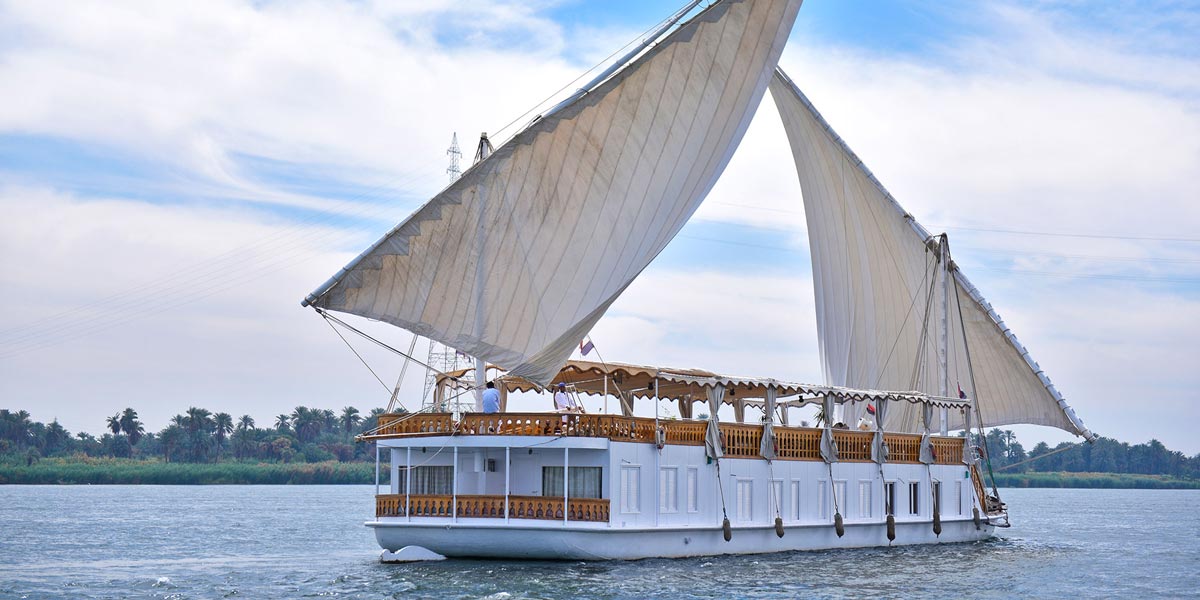
A Nile cruise is one of the most unique and enjoyable ways to travel between some of Egypt’s most important historical destinations. While many travelers view Nile cruises primarily as sightseeing experiences, they also serve as a practical transportation option between Luxor and Aswan, allowing visitors to move comfortably while exploring a series of remarkable archaeological sites along the way.

Unlike flights, trains, or buses that focus on speed and efficiency, Nile cruises emphasize the journey itself. Travelers can relax aboard a floating hotel while gradually moving along the river that shaped Ancient Egyptian civilization for thousands of years. This combination of transportation, accommodation, dining, and sightseeing makes Nile cruises particularly appealing to first-time visitors.

Most cruise itineraries include stops at major attractions such as Karnak Temple, Luxor Temple, the Valley of the Kings, Edfu Temple, Kom Ombo Temple, and the Temple of Philae. Guided excursions are typically included, allowing passengers to explore these sites with professional Egyptologists who provide historical context and expert interpretation.

Beyond the monuments, passengers enjoy beautiful views of the Nile Valley, traditional villages, palm groves, and agricultural landscapes that reveal another side of Egypt. The relaxed pace allows travelers to appreciate the scenery while avoiding the logistical challenges of arranging separate transportation between destinations.

For visitors seeking comfort, convenience, and cultural immersion, a Nile cruise remains one of the most memorable transportation experiences available in Egypt and is often considered a highlight of the entire trip.

10. Feluccas and Local Boats

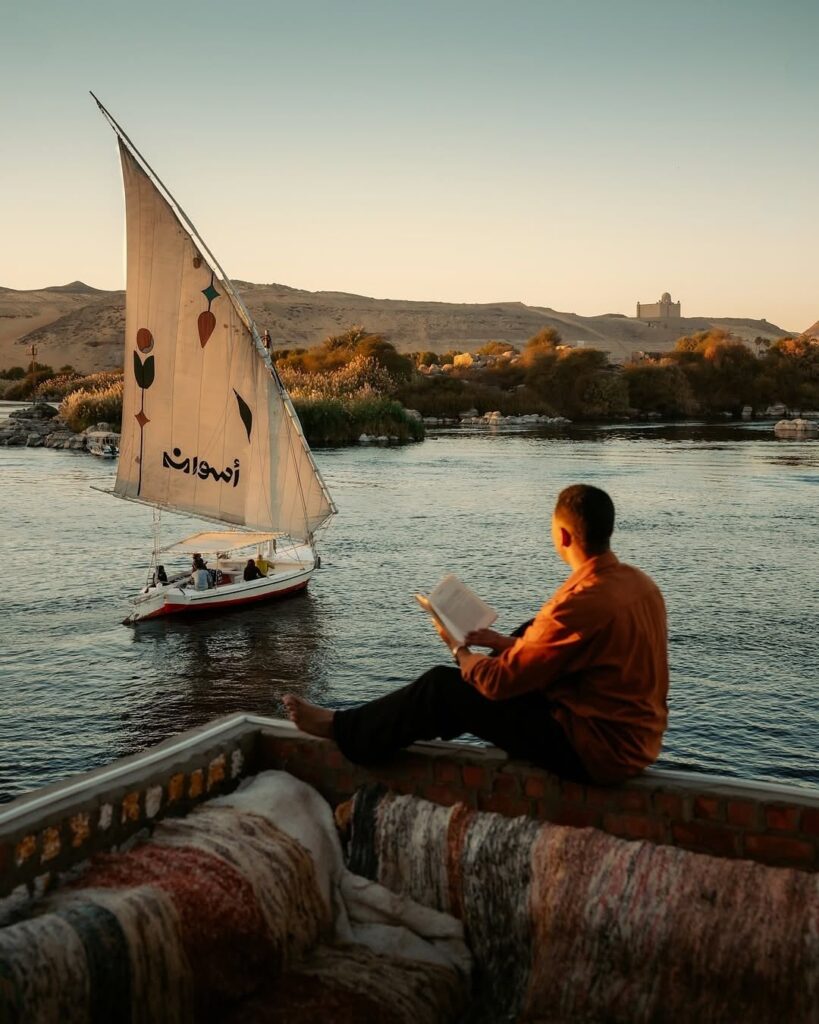
Traditional feluccas and local boats offer travelers a chance to experience transportation in a way that has changed little over the centuries. These vessels have been used on the Nile for generations and continue to play an important role in certain areas of Egypt, particularly around Aswan and other river communities.

A felucca is a traditional wooden sailboat powered primarily by the wind. Unlike larger cruise ships or motorized vessels, feluccas move quietly and provide a peaceful way to explore the river. Many visitors choose short felucca rides to enjoy the scenery, relax on the water, and experience a more traditional side of Egyptian culture.

Local boats are also commonly used to transport passengers between islands, villages, and attractions located along the Nile. In destinations such as Aswan, boat transportation is often necessary to reach certain historical sites and cultural attractions. These journeys provide visitors with beautiful views while offering insight into daily life along the river.

One of the greatest advantages of feluccas and local boats is the atmosphere they create. The slower pace encourages travelers to appreciate the surrounding landscapes, observe local activities, and enjoy the timeless beauty of the Nile.

While these vessels are not typically used for long-distance travel, they remain an important and memorable part of Egypt’s transportation experience and provide visitors with a unique connection to the country’s history and traditions.


11. Transportation Tips for Tourists

Understanding a few practical transportation tips before arriving in Egypt can help visitors travel more confidently and avoid common challenges. While Egypt offers a variety of transportation options, choosing the right method for each situation often improves comfort, efficiency, and overall travel enjoyment.

One of the most useful recommendations is to plan major transportation arrangements in advance, especially during busy travel periods. Domestic flights, train tickets, private transfers, and Nile cruises are often easier to organize when booked ahead of time. Advance planning can also provide greater flexibility and access to preferred schedules.

Visitors should allow extra time when traveling through major cities, particularly Cairo, where traffic congestion can affect travel times significantly. Building flexibility into daily schedules helps reduce stress and minimizes the impact of unexpected delays.

Using reputable transportation providers is another important consideration. Established companies, licensed drivers, and trusted ride-hailing applications generally provide more predictable and comfortable experiences. Travelers should also keep important travel documents, booking confirmations, and contact information easily accessible throughout their journey.

Many visitors find that combining multiple transportation methods offers the best results. Flights may be ideal for long distances, trains for Nile Valley travel, and private transportation for sightseeing excursions. Matching the transportation method to the specific journey often improves both convenience and efficiency.

With a little preparation and awareness, travelers can navigate Egypt confidently and enjoy a smooth transportation experience while exploring the country’s extraordinary attractions.

12. Conclusion: Transportation in Egypt – Getting Around Like a Pro

Egypt offers a wide variety of transportation options that make it possible for travelers to explore the country comfortably, efficiently, and according to their individual travel style. Whether you are visiting the Pyramids of Giza, exploring the temples of Luxor and Aswan, relaxing on the Red Sea coast, or discovering remote desert landscapes, there is a transportation solution suitable for every itinerary and budget.

Domestic flights provide the fastest way to cover long distances, while trains offer a comfortable and scenic method of traveling between many of Egypt’s most important cities. Private drivers and transfers deliver convenience and flexibility, making them popular among visitors who value personalized service and stress-free travel. Taxis and ride-hailing applications offer practical solutions for urban transportation, while buses remain an affordable option for budget-conscious travelers.

For those seeking unique experiences, Nile cruises and traditional feluccas combine transportation with sightseeing, allowing visitors to appreciate the beauty of the Nile while traveling between destinations. These options highlight the fact that transportation in Egypt can be more than simply moving from one place to another—it can become an important part of the overall travel experience.

The best approach often involves combining several transportation methods throughout a trip. Many travelers fly between distant destinations, use trains along the Nile Valley, rely on ride-hailing services within cities, and arrange private transportation for sightseeing excursions. This flexibility allows visitors to balance comfort, efficiency, cost, and convenience according to their personal preferences.

With proper planning and a basic understanding of the available options, getting around Egypt is far easier than many first-time visitors expect. The country’s transportation network continues to evolve, making travel increasingly accessible for international tourists.

Whether you prioritize speed, affordability, comfort, or cultural experiences, Egypt offers transportation choices that can help you explore its extraordinary attractions with confidence. By selecting the right transportation method for each stage of your journey, you can travel like a pro and make the most of your Egyptian adventure.

Frequently Asked Questions

Domestic flights are the fastest option, while trains provide a comfortable and popular alternative for travelers who prefer overland transportation.

Yes. Uber and other ride-hailing services operate in major cities such as Cairo and Alexandria and are widely used by both residents and visitors.

Yes. Trains are commonly used by tourists and provide a practical way to travel between several major destinations, particularly along the Nile Valley.

Most visitors prefer private drivers, guided transportation, taxis, or ride-hailing services. Renting a car may be suitable for experienced drivers who are comfortable navigating unfamiliar traffic conditions.

Many travelers consider a Nile cruise or a traditional felucca ride to be among the most memorable transportation experiences available in Egypt.