
The Structure of the Ancient Egyptian Family
The structure of the Ancient Egyptian Family was based on close relationships, cooperation, and shared responsibilities between different generations. Family was considered the central unit of society, and almost every aspect of daily life was connected to household relationships. Ancient Egyptians viewed a stable family as essential for personal happiness, economic security, and the continuation of cultural traditions.
The typical Ancient Egyptian Household consisted of parents and their children, although extended family members often lived nearby or remained closely connected. Grandparents, siblings, aunts, uncles, and cousins frequently participated in family activities, creating strong networks of support. This extended family structure helped individuals during difficult periods and allowed knowledge and traditions to be passed between generations.
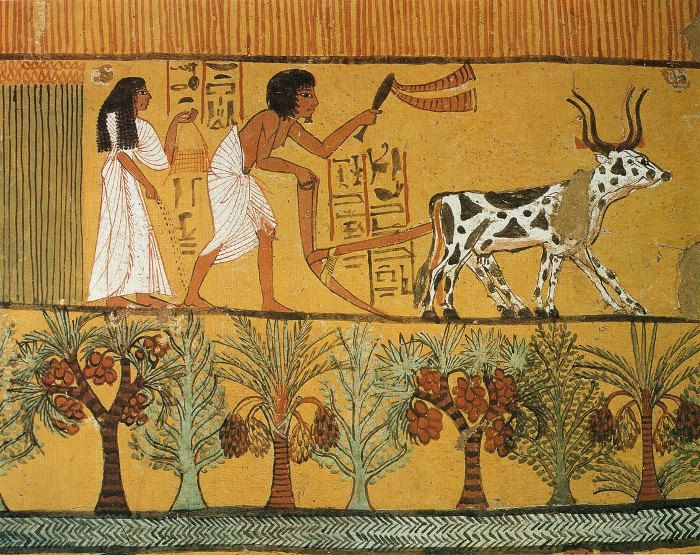
Marriage was the foundation of most Egyptian families. Husbands and wives worked together to manage the household and raise children. Although Egyptian society generally assigned different responsibilities to men and women, both contributed significantly to family success. Men often provided economic support through occupations such as farming, trade, craftsmanship, or government work, while women managed household resources, cared for children, and sometimes participated in economic activities.
Children were considered among the greatest blessings in Ancient Egyptian culture. Families placed great importance on having children because they represented continuity and ensured that family traditions would survive. Sons and daughters were both valued, although their future responsibilities often differed. Boys commonly learned their fathers’ occupations, while girls usually learned household skills from their mothers.
Family status depended on wealth, occupation, and social position. Elite families lived in larger homes with more resources and sometimes employed servants, while working-class families lived more simply and relied heavily on cooperation between members. However, family bonds were important at every social level.
Respect between generations was a major value in Ancient Egyptian Society. Children were expected to honor their parents, and parents were responsible for guiding and protecting their children. This relationship created a system where knowledge, skills, and beliefs continued across centuries.
The structure of the Ancient Egyptian Family demonstrates how deeply Egyptians valued connection, responsibility, and cooperation. Through strong family organizations, Egyptians maintained their social traditions and created a stable foundation for one of history’s longest-lasting civilizations.
Marriage and Relationships in Ancient Egyptian Society
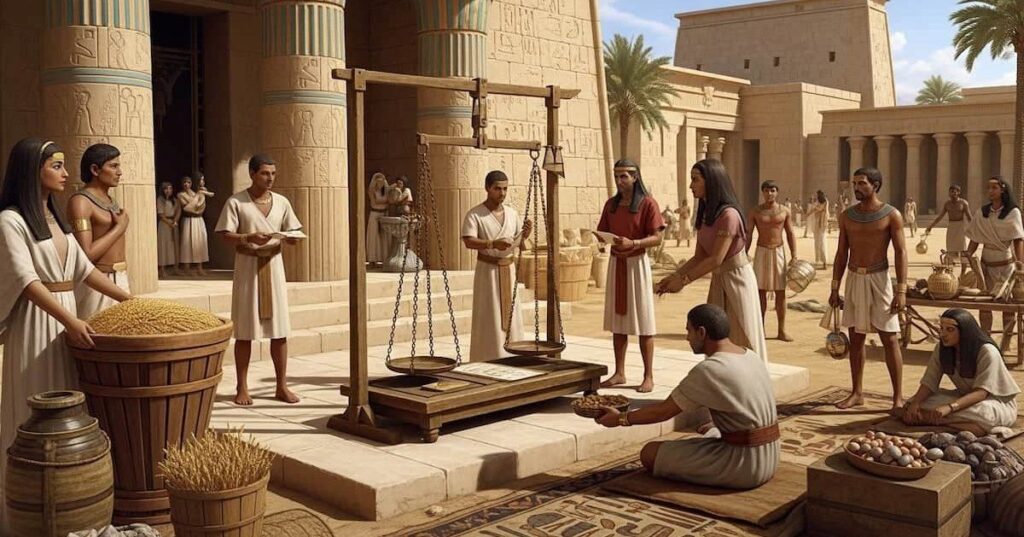
Marriage was one of the most important elements of Ancient Egypt Family Life because it created the foundation for households, inheritance, and social continuity. The Ancient Egyptian Marriage System was based on cooperation, mutual agreement, and the shared responsibility of building a stable family. Unlike some societies of the ancient world, Egyptian marriage was often practical and flexible, allowing both husbands and wives to maintain important rights and responsibilities.
Ancient Egyptian couples usually formed households through social agreement rather than through complicated religious ceremonies. Marriage was recognized when a man and woman began living together and managing a shared home. Families often supported these unions because marriage connected households and ensured the continuation of family traditions.
The relationship between husband and wife was considered a partnership. Husbands were generally expected to provide economic support and protection, while wives managed many household responsibilities and contributed to family organization. However, Egyptian women had significant independence compared with many other ancient societies. They could own property, inherit wealth, participate in economic activities, and maintain control over personal possessions.
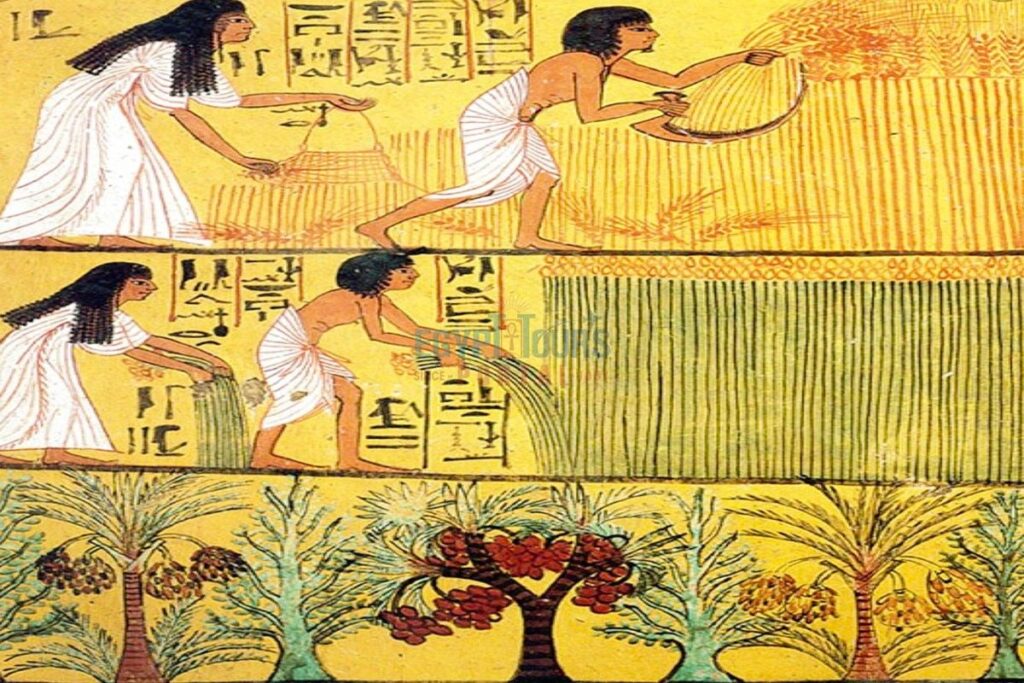
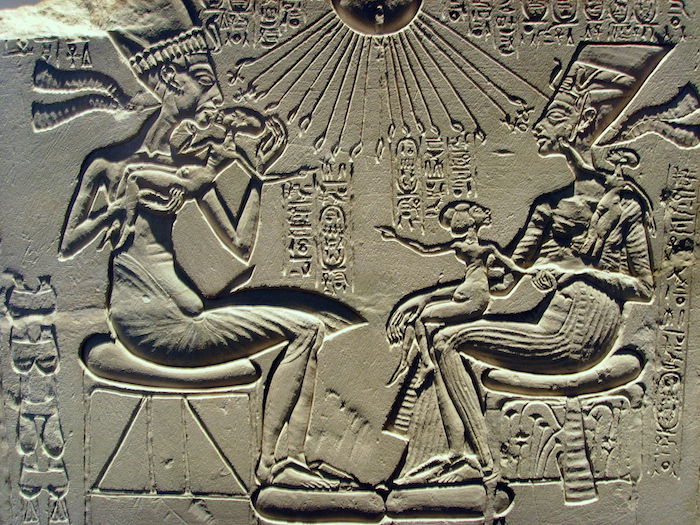
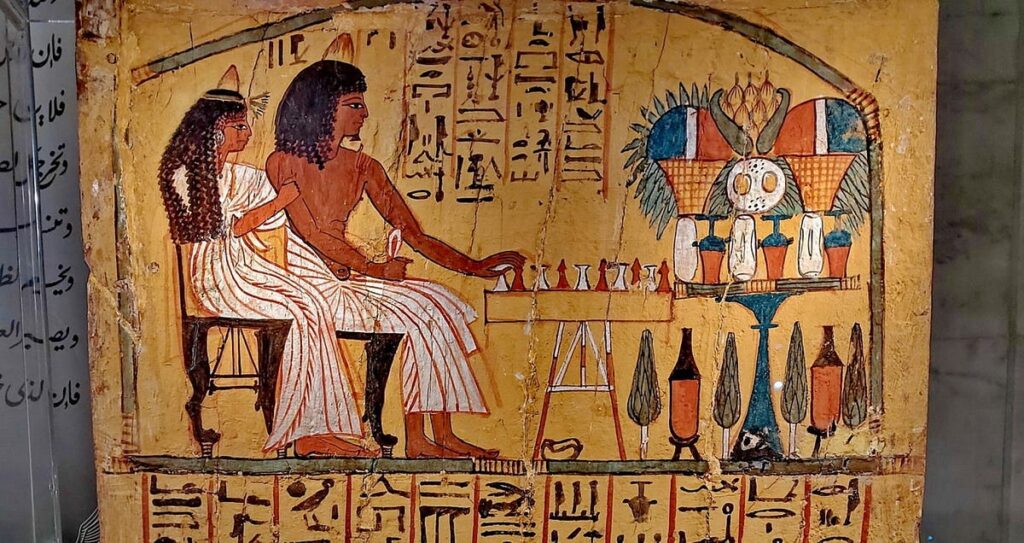
Love and affection were also important aspects of Egyptian marriages. Ancient Egyptian artwork and poetry provide evidence that couples could develop strong emotional connections. Tomb paintings often show husbands and wives together, participating in family activities, religious ceremonies, and daily life. These images suggest that marriage involved companionship as well as practical duties.
Children were a major reason marriage was highly valued. Egyptians believed that children represented the future of the family and helped preserve the memory of ancestors. Parents invested great effort in raising children and teaching them traditions, skills, and moral values.
Divorce was also recognized in Ancient Egyptian society. If a marriage failed, couples could separate, and legal traditions provided protections concerning property and financial responsibilities. This flexibility demonstrates the practical nature of Egyptian family law.
Marriage relationships reflected broader Egyptian beliefs about harmony and balance. The concept of Ma’at emphasized cooperation and respect between individuals, including husbands and wives.
The importance of marriage in Ancient Egyptian Society shows how family relationships supported economic stability, cultural continuity, and social organization. Through marriage, Egyptians created households that became the foundation of their civilization.
The Role of Fathers in Ancient Egyptian Families
Fathers held an important position within Ancient Egypt Family Life, serving as providers, protectors, educators, and guides for younger generations. The role of the father was closely connected to the values of responsibility, authority, and family continuity that shaped Ancient Egyptian Society. While mothers played essential roles inside the household, fathers were traditionally expected to support the family economically and prepare children for their future responsibilities.
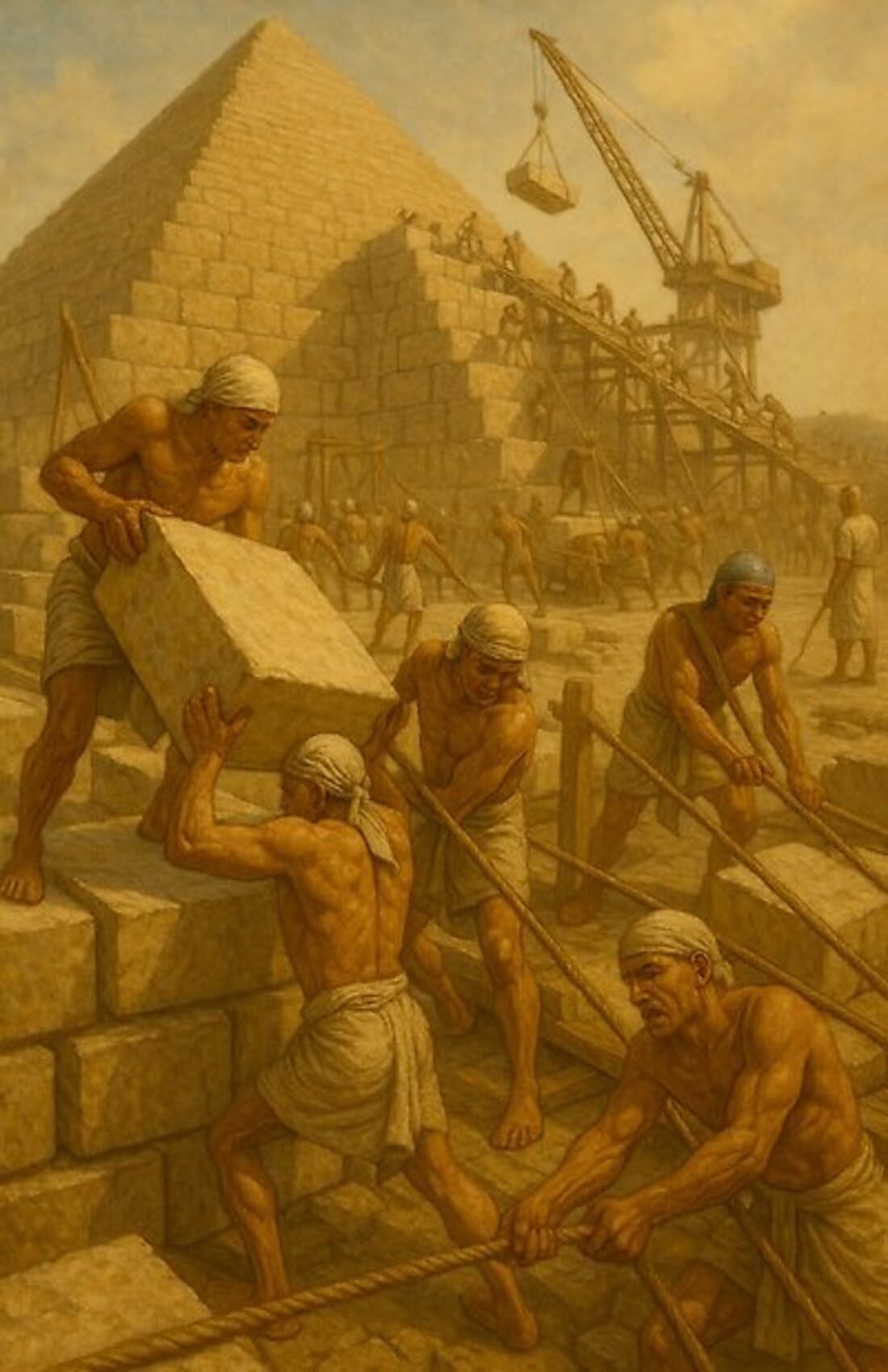
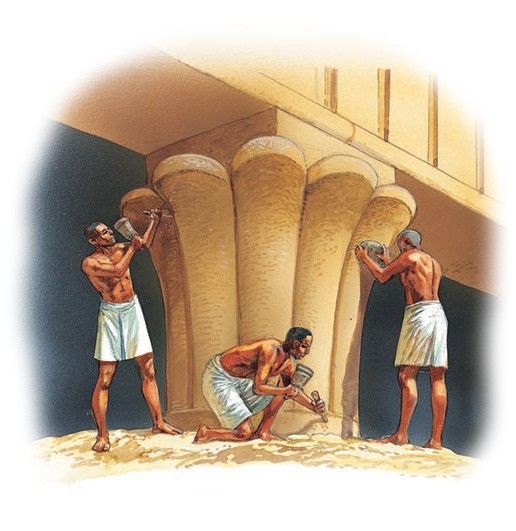
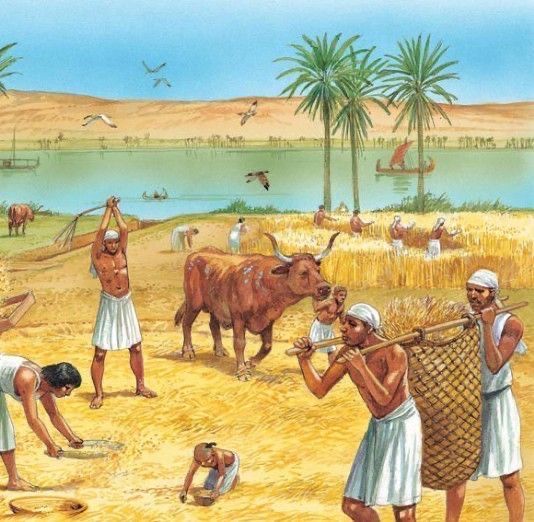
In many Ancient Egyptian families, fathers worked in occupations that provided resources for the household. Depending on their social status and skills, they could be farmers, craftsmen, merchants, soldiers, administrators, or government officials. Their work helped provide food, clothing, housing, and other necessities. For working-class families, fathers often taught sons practical skills connected to agriculture, crafts, or trades, ensuring that knowledge passed from one generation to another.
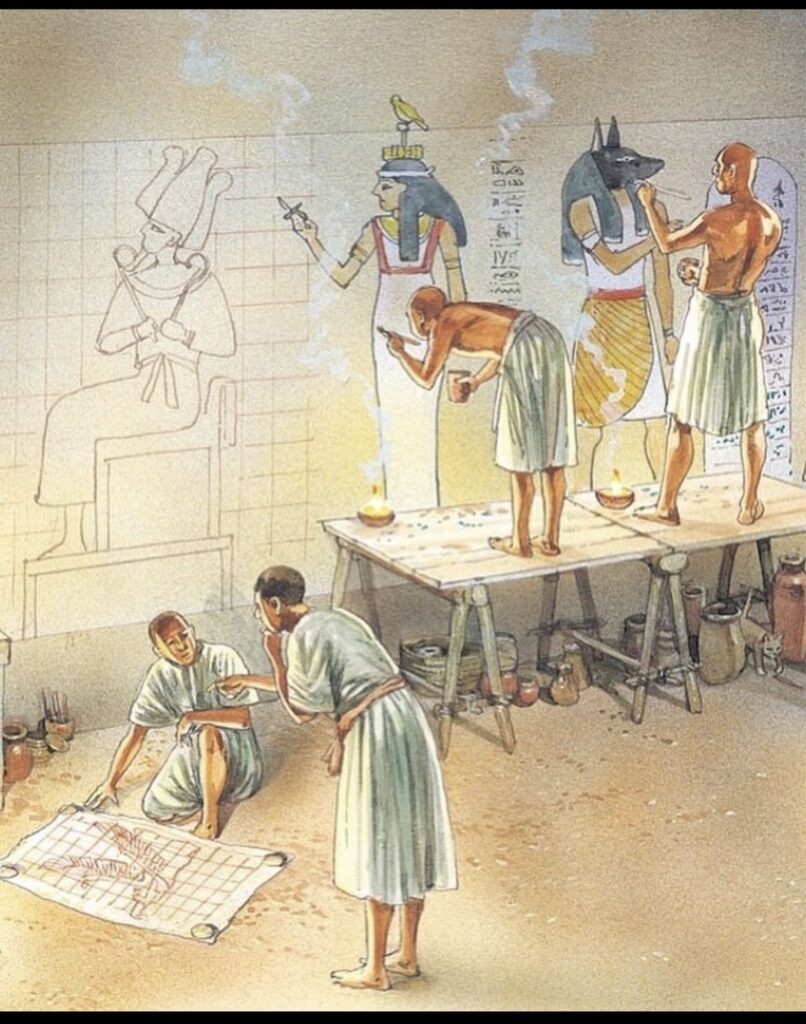
Education was an important responsibility of fathers, especially among families with professional occupations. Fathers who were scribes, officials, or skilled craftsmen often trained their sons in their professions. This system of family-based learning helped preserve expertise and supported the continuation of important occupations within Egyptian society.
Fathers were also responsible for teaching moral values and proper behavior. Ancient Egyptians placed great importance on respect, honesty, discipline, and social responsibility. Parents were expected to guide children toward becoming productive members of society, and fathers often played a major role in this process.
Although fathers held authority within many households, Ancient Egyptian artwork and texts suggest that family relationships could include affection and emotional connections. Tomb paintings frequently show fathers with their children, participating in family activities, hunting, fishing, or religious ceremonies. These images indicate that fathers were not only providers but also active members of family life.
Fathers also had religious responsibilities within the household. They participated in rituals, honored ancestors, and taught children about Egyptian beliefs and traditions. Through these practices, fathers helped maintain the spiritual identity of the family.
The role of fathers in Ancient Egyptian Families demonstrates the importance Egyptians placed on guidance, education, and responsibility. Their contributions helped maintain household stability and ensured that cultural knowledge, skills, and traditions continued through generations.