
The Origins of Ancient Egypt Clothing Style
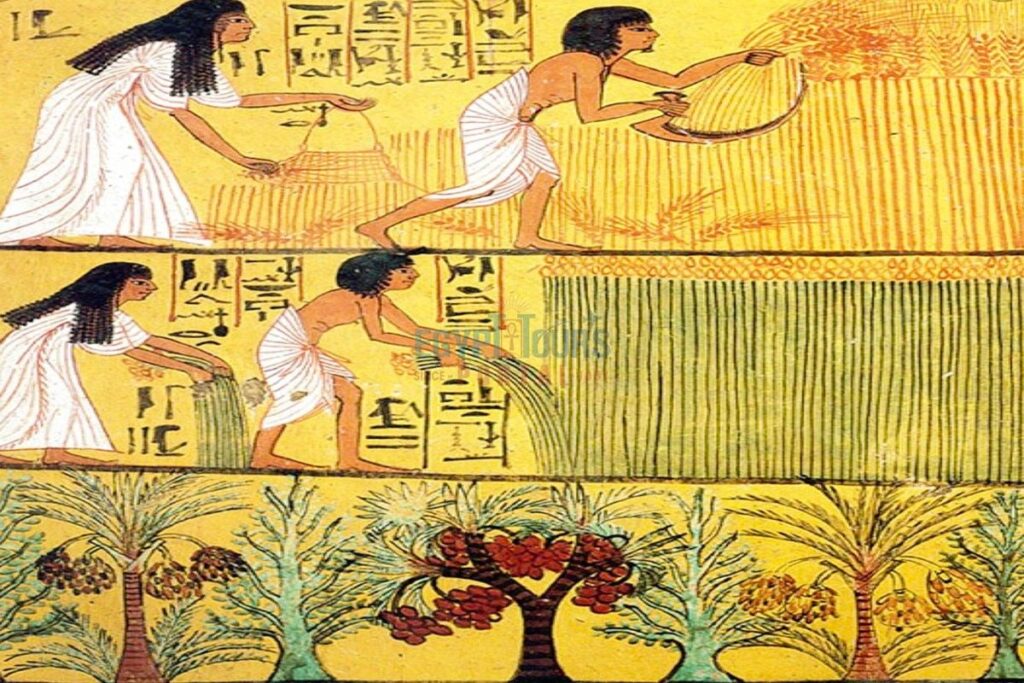
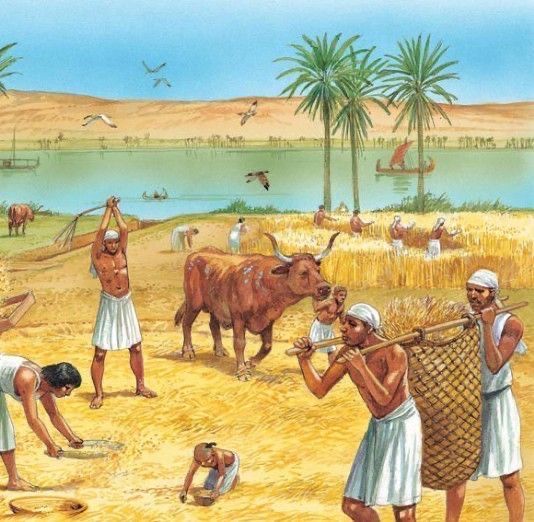
The origins of Ancient Egypt Clothing Style can be traced to the earliest agricultural communities that settled along the fertile banks of the Nile River thousands of years before the construction of the pyramids. As Egyptian civilization developed, clothing evolved from simple protective coverings into garments that reflected culture, climate, religion, and social identity. During the Predynastic Period, early Egyptians likely wore garments made from animal skins, woven reeds, and primitive plant fibers before the widespread cultivation of flax transformed textile production. The discovery of linen weaving marked a revolutionary development, allowing Egyptians to produce lightweight, breathable fabrics perfectly suited to the hot desert climate. As villages grew into organized kingdoms, clothing became increasingly refined, with skilled artisans creating garments that balanced comfort with elegance. By the Early Dynastic Period, men commonly wore short linen kilts secured around the waist, while women dressed in simple sheath dresses extending from the chest to the ankles. These early designs established the foundation of Ancient Egyptian Clothing for the next three thousand years. Although styles gradually became more sophisticated, the emphasis on linen remained unchanged because of its durability, cleanliness, and suitability for Egypt’s environment. Royal courts introduced decorative pleats, transparent fabrics, embroidered borders, and luxurious accessories that distinguished the elite from ordinary citizens. Religious beliefs also influenced clothing development, as white linen symbolized purity and spiritual cleanliness during temple rituals and official ceremonies. Wall paintings, statues, and archaeological discoveries demonstrate that even the earliest Egyptian garments reflected careful craftsmanship and aesthetic appreciation. The evolution of Ancient Egypt Clothing Style therefore mirrors the broader development of Egyptian civilization itself, illustrating how technological innovation, agricultural success, artistic creativity, and cultural traditions combined to create one of the most recognizable and influential fashion traditions in the ancient world.
Linen: The Fabric That Defined Ancient Egyptian Clothing
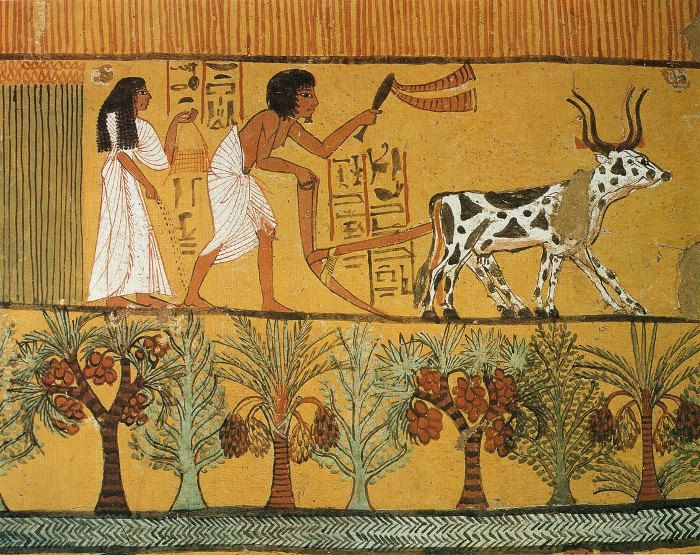
Linen was the foundation of Ancient Egyptian Clothing and remained the preferred textile throughout the civilization’s long history. Produced from the flax plant, linen possessed qualities perfectly suited to Egypt’s hot and arid climate. It was lightweight, breathable, durable, and capable of keeping the body cool under the intense desert sun. The cultivation of flax became an important agricultural activity along the fertile Nile Valley, where favorable conditions allowed farmers to produce high-quality fibers for textile manufacturing. After harvesting, flax stalks were processed, spun into thread, and woven into cloth by skilled artisans using traditional looms. The quality of linen varied considerably depending on the fineness of the fibers and the expertise of the weaver. Ordinary workers typically wore coarse linen garments designed for durability, while Pharaohs, queens, nobles, and priests enjoyed exceptionally fine linen that appeared almost transparent because of its delicate weave. Wealthy Egyptians often owned multiple garments, demonstrating both prosperity and appreciation for elegant craftsmanship. White linen dominated Ancient Egypt Fashion because it represented cleanliness, purity, and religious devotion. Priests especially wore freshly laundered white linen while performing sacred rituals inside temples. In addition to clothing, linen was used to produce bedding, sails, household textiles, and the wrappings used during mummification, making it one of Egypt’s most valuable resources. Textile production supported a significant industry employing farmers, spinners, weavers, dyers, and merchants throughout the kingdom. Trade also introduced luxury fabrics from neighboring civilizations, but linen remained the unmistakable symbol of Egyptian dress. The importance of linen extended far beyond fashion because it reflected Egypt’s agricultural prosperity, technological expertise, economic organization, and cultural identity, becoming one of the defining characteristics of Ancient Egypt Clothing Style recognized throughout the ancient Mediterranean world.
Clothing Styles for Men and Women in Ancient Egypt
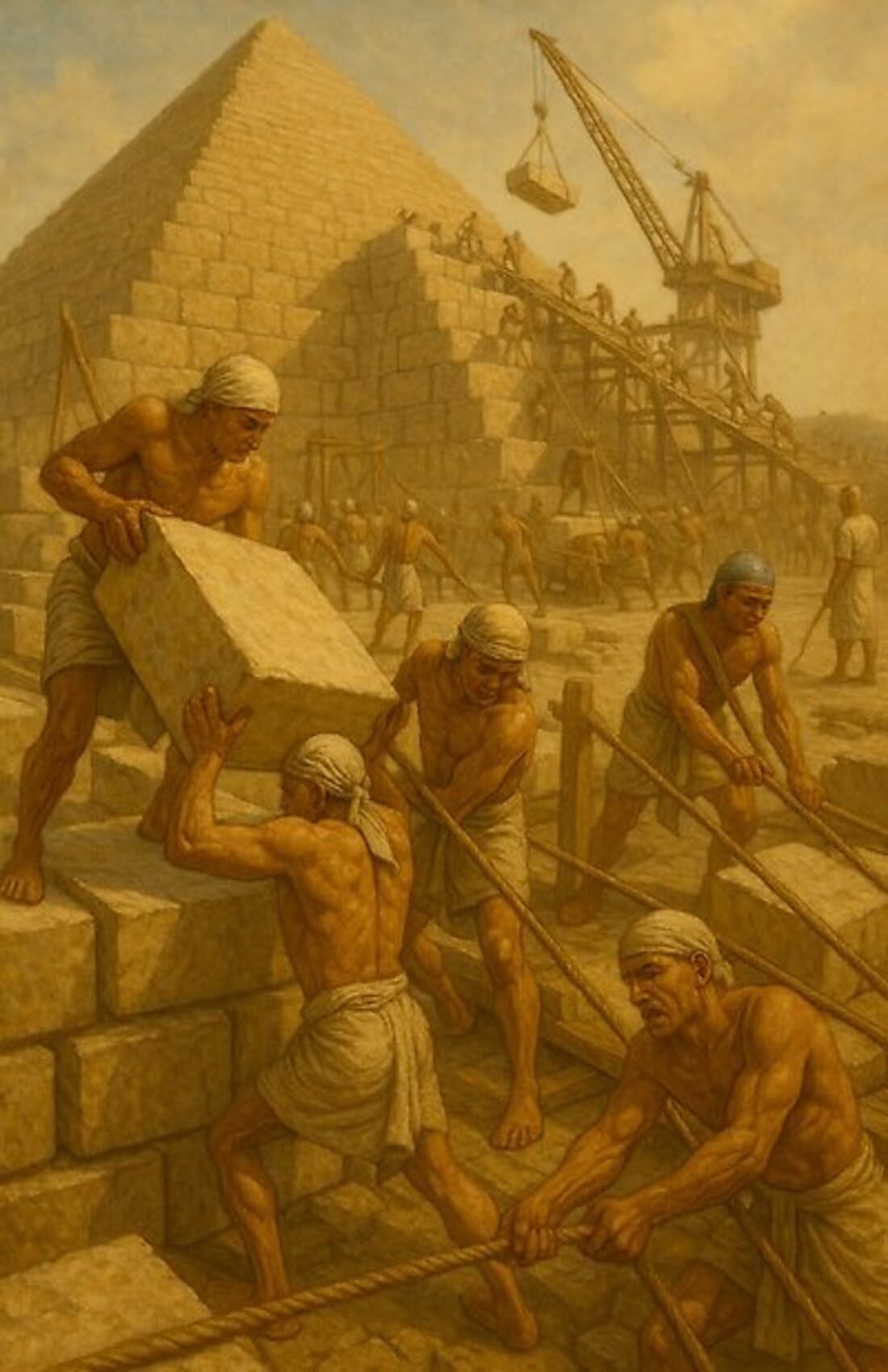
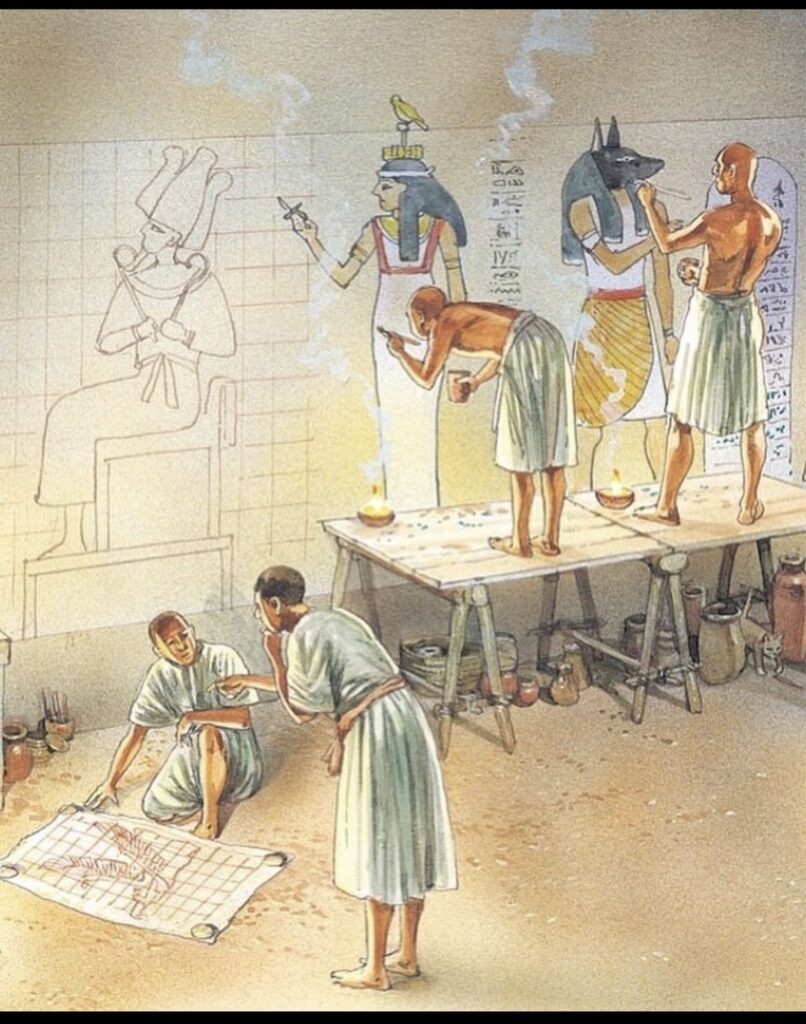
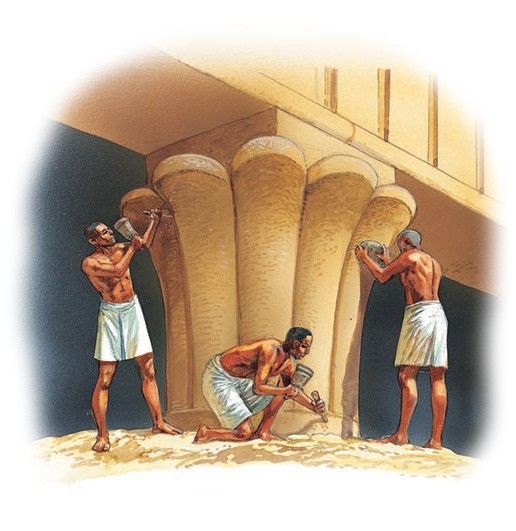
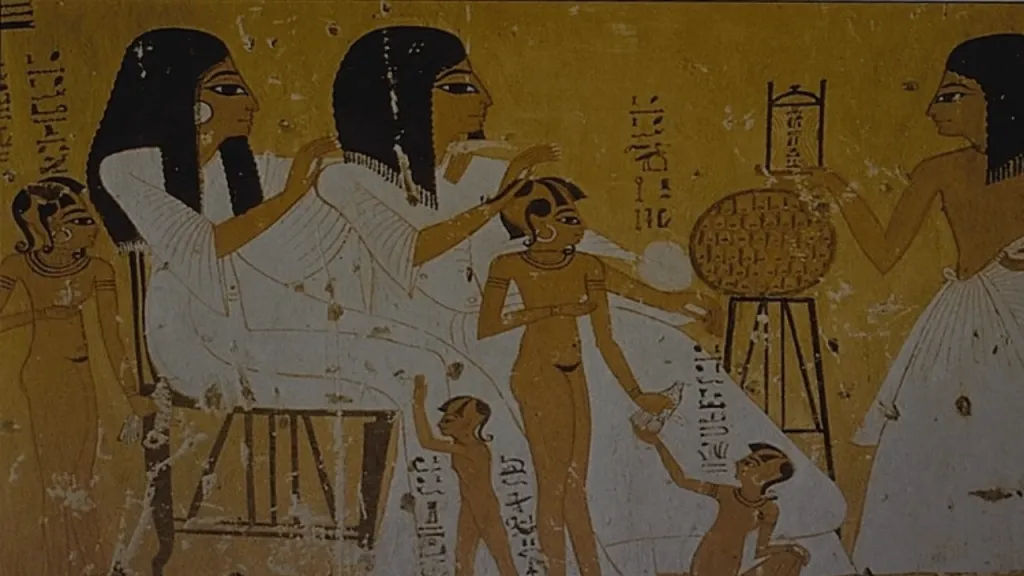
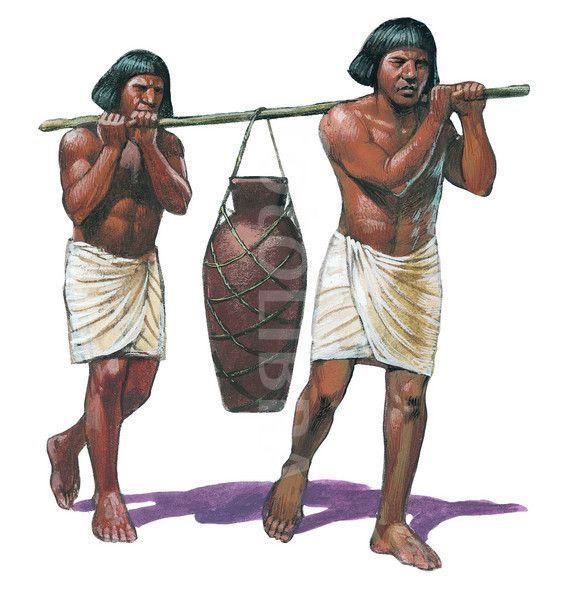
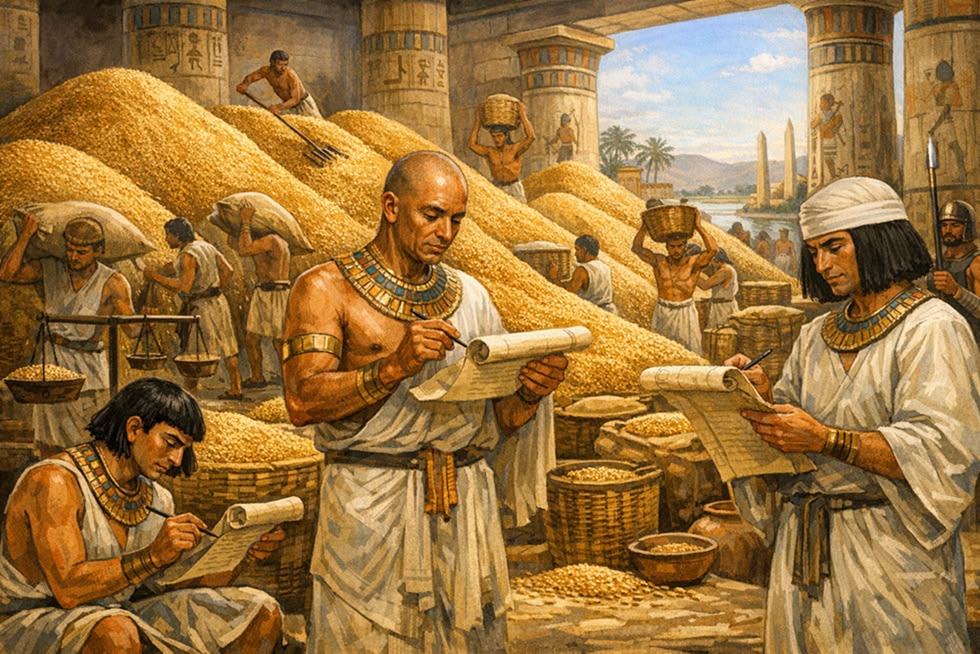
The clothing styles worn by men and women in Ancient Egypt reflected practical needs, social status, occupation, and changing fashion trends while maintaining remarkable consistency throughout thousands of years of Egyptian history. Men’s clothing generally consisted of linen kilts known as shendyts, wrapped around the waist and secured with belts or decorative sashes. During the Old Kingdom, these garments were relatively short and simple, allowing freedom of movement for daily activities. Over time, especially during the Middle and New Kingdoms, men’s clothing became more elaborate, featuring pleated fabrics, layered garments, wide sleeves, and decorative embroidery for members of the royal family and high-ranking officials. Women’s clothing typically consisted of close-fitting linen dresses extending from the chest to the ankles, supported by shoulder straps and designed to emphasize graceful proportions. Wealthy women often wore finely woven transparent linen over additional garments, creating elegant layered fashions admired throughout the ancient world. Noblewomen enhanced their appearance with elaborate jewelry, colorful collars, bracelets, rings, earrings, and ornate wigs crafted from human hair or plant fibers. In contrast, ordinary women generally wore simpler dresses appropriate for household responsibilities and agricultural work. During religious festivals and royal ceremonies, both men and women added richly decorated cloaks, ceremonial robes, and luxurious accessories reflecting their social position. Children commonly wore little or no clothing until adolescence because of Egypt’s warm climate, although jewelry and protective amulets were frequently worn from infancy. Artistic representations found inside tombs and temples demonstrate that clothing served not only practical purposes but also communicated wealth, occupation, age, and social identity. The elegance, simplicity, and functionality of Ancient Egyptian Clothing continue to influence modern fashion designers while providing historians with valuable insights into everyday life, artistic expression, and cultural traditions throughout Ancient Egyptian civilization.