
Family Structure and the Role of Children in Ancient Egypt
Family life formed the foundation of Ancient Egyptian society, and children held an important position within the household structure. Ancient Egypt Children Life was deeply connected to family relationships because parents viewed children as essential for continuing family traditions, supporting household activities, and maintaining social stability. Egyptian families generally valued strong emotional connections between parents and children, and artistic representations from tombs and temples often show scenes of affection, care, and family unity.
The typical Egyptian family included parents and their children, although extended family members often lived nearby or participated in daily activities. Grandparents, aunts, uncles, and other relatives contributed to raising children and passing down knowledge. This close family network helped children learn cultural traditions, religious beliefs, and practical skills from an early age. Children were taught respect for elders and responsibility toward their families, values that were considered essential for maintaining social harmony.
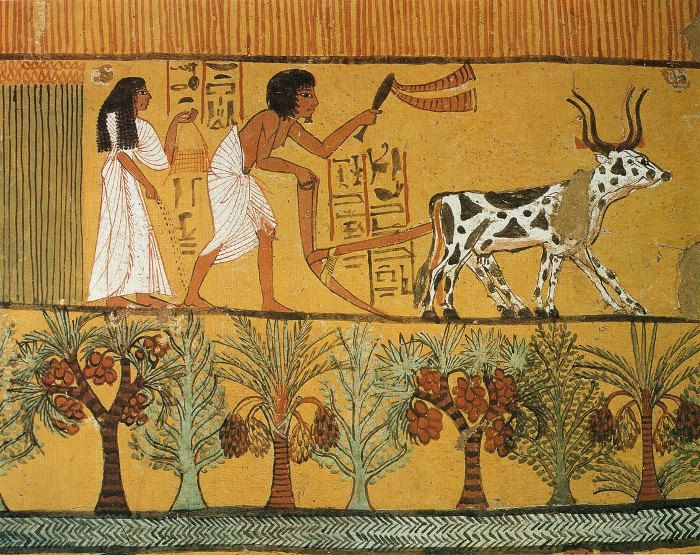
The role of children varied depending on their age, gender, and social status. Young children were primarily cared for by their mothers and other family members, while older children gradually became involved in household responsibilities. Boys often learned their father’s profession, whether farming, fishing, craftsmanship, trade, or government administration. Girls commonly learned skills related to managing homes, preparing food, producing textiles, and caring for younger siblings. However, some girls from wealthy families received education and participated in religious or administrative roles.
Children were also important in Egyptian beliefs about family continuity and the afterlife. Having descendants was considered a blessing because children were expected to honor their parents after death through prayers and offerings. This belief encouraged Egyptians to place great importance on raising children and maintaining strong family bonds.
Evidence from tomb paintings, statues, and written documents reveals that Ancient Egyptians celebrated family relationships and recognized children as important members of society. The study of family life shows that childhood was not only a period of learning but also a crucial stage in preparing future generations to preserve Egyptian traditions, occupations, and cultural identity.
Birth, Naming Traditions, and Early Childhood in Ancient Egypt
Birth was considered a significant event in Ancient Egyptian society because children represented the continuation of the family and the future of the community. Ancient Egypt Children Life began with strong religious and cultural traditions designed to protect newborns and ensure their health. Egyptian families celebrated the arrival of children with joy, while mothers and newborns received special care supported by medical knowledge, religious beliefs, and protective practices.
Childbirth was usually managed by female relatives, midwives, and experienced women who assisted mothers during delivery. Egyptians believed that supernatural forces could influence the health of mothers and babies, so protective rituals were often performed. Amulets and magical spells were commonly used to guard infants against illness and harmful spirits. Deities associated with childbirth and protection, such as Taweret and Bes, were especially important in family life because they were believed to safeguard mothers and children.
Naming a child was an important cultural tradition because names carried meaning and often reflected religious beliefs, hopes, or family connections. Many Egyptian names included references to gods, blessings, or desired qualities. A child’s name could express wishes for strength, happiness, protection, or success throughout life. Family members carefully selected names because identity was closely connected to spiritual beliefs.
Early childhood was a period of close family care. Babies were usually raised within the household, where mothers and relatives provided food, protection, and affection. Breastfeeding was common, and children remained closely connected to their families during their earliest years. Archaeological evidence shows that Egyptian parents created a supportive environment for young children, providing toys, jewelry, and protective objects.
Although infant mortality was a challenge in the ancient world, Egyptians made significant efforts to protect children through medical treatments, hygiene practices, and religious traditions. The importance given to birth and early childhood demonstrates that Ancient Egyptians recognized children as precious members of society whose lives represented hope, continuity, and the future of their civilization.
Daily Life of Ancient Egyptian Children
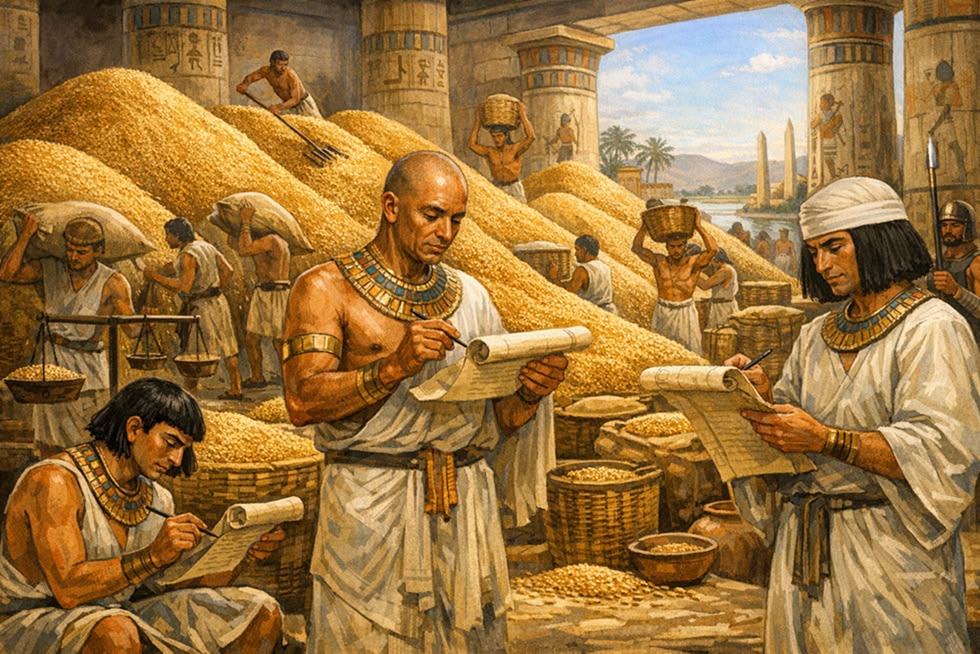
The daily life of Ancient Egyptian Children was shaped by family traditions, social status, local environment, and the responsibilities expected from young members of society. Childhood in Ancient Egypt included a mixture of learning, helping the family, playing with friends, and gradually preparing for adulthood. Although children lived thousands of years ago, many aspects of their lives reflected experiences familiar to children today, including games, friendships, family relationships, and curiosity about the world around them.
Young children spent most of their early years close to their families. Mothers and other relatives cared for infants and taught them basic behaviors, communication, and cultural traditions. As children grew older, they became more involved in household activities. Boys often accompanied their fathers to learn practical skills related to farming, fishing, craftsmanship, trade, or government work. Girls commonly learned household responsibilities from their mothers, including cooking, weaving, caring for younger children, and managing domestic tasks. These lessons prepared them for their future roles within Egyptian society.
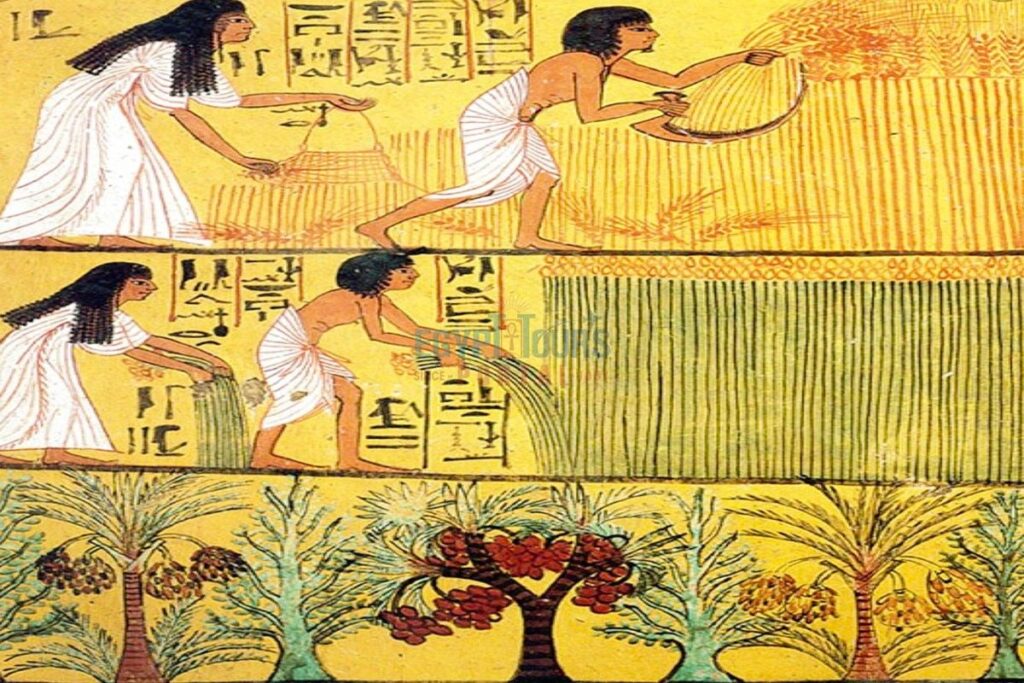
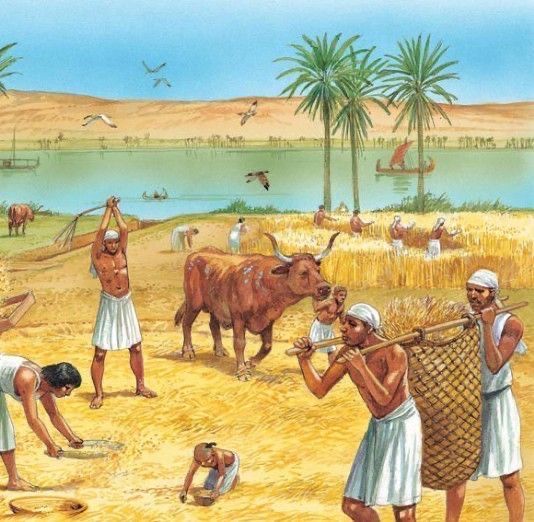
The daily routine of children depended greatly on where they lived. Children in farming villages often helped with simple agricultural tasks, such as feeding animals, collecting water, or assisting during harvest seasons. Those living in cities could participate in workshops, markets, or family businesses. Children from wealthy families had different experiences, with access to education, servants, and more comfortable living conditions.
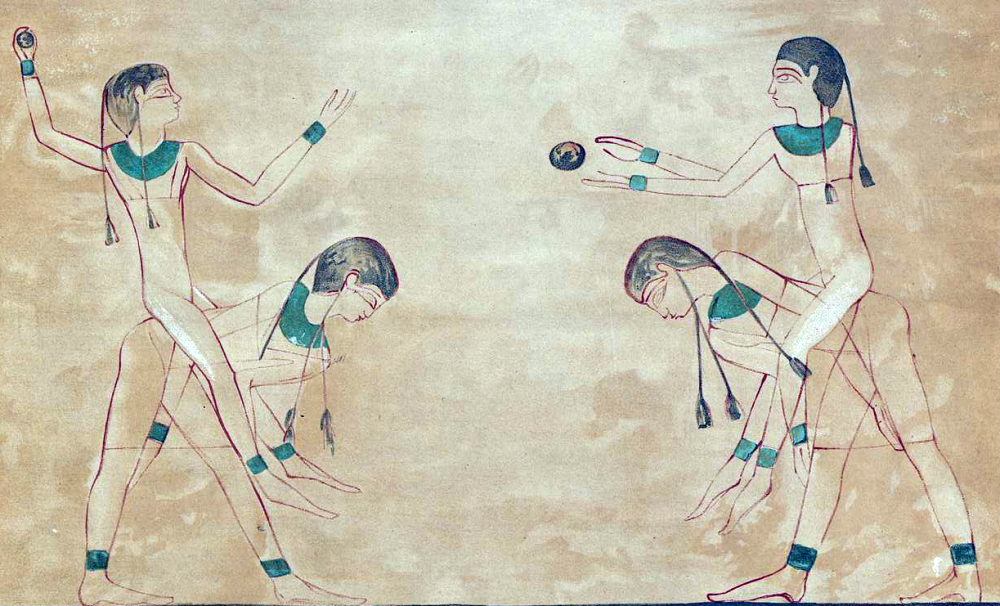
Despite responsibilities, Ancient Egyptian Childhood was not only about work. Children enjoyed various forms of entertainment, including playing with toys, participating in physical games, swimming in the Nile, and listening to stories told by family members. Archaeologists have discovered dolls, wooden animals, balls, spinning tops, and other toys that reveal the importance of play.
Religion also influenced children’s daily experiences. Families taught children about gods, traditions, and moral values from an early age. Festivals and religious celebrations provided opportunities for children to participate in community activities. Through family guidance, education, and play, Ancient Egyptian Children developed the skills and knowledge needed to become responsible members of society.