
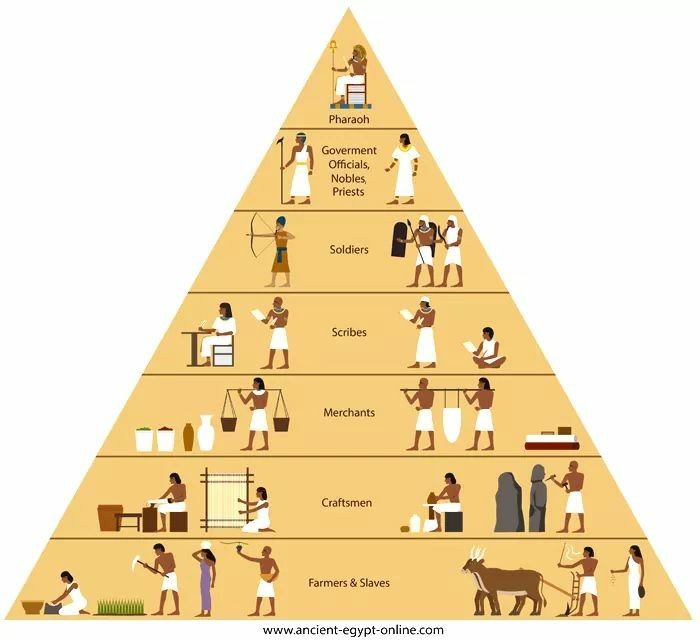
Welcome to

Ancient Egypt Government System

The Ancient Egypt government system was one of the most sophisticated and enduring political structures in the ancient world. For more than three thousand years, Egypt was governed through a highly centralized administration led by the pharaoh, supported by a network of officials, governors, priests, scribes, and administrators. This system enabled the management of a vast kingdom, the collection of taxes, the organization of labor, the maintenance of law and order, and the construction of some of history’s most remarkable monuments. The efficiency of the Egyptian government played a key role in the civilization’s stability, prosperity, and longevity.

At the top of the government stood the pharaoh, who was regarded as both the political ruler and the divine representative of the gods on Earth. The pharaoh held supreme authority over the kingdom, controlling military affairs, religious institutions, economic resources, and legal matters. Egyptians believed that the pharaoh was responsible for maintaining Ma’at—the principle of truth, justice, balance, and order—which was considered essential for the well-being of the state and the universe.

The most important official below the pharaoh was the vizier, who acted as the chief administrator of the kingdom. The vizier supervised government departments, managed tax collection, oversaw construction projects, coordinated legal affairs, and ensured that royal policies were implemented throughout Egypt. Because of the size and complexity of the kingdom, the vizier played a critical role in maintaining effective government administration.

Ancient Egypt was divided into administrative regions known as nomes, each governed by an official called a nomarch. These local administrators were responsible for managing agriculture, collecting taxes, maintaining irrigation systems, organizing labor, and reporting to the central government. This regional structure helped ensure efficient governance across the entire Nile Valley.

Scribes formed the backbone of the administrative system. They recorded tax payments, census information, legal proceedings, trade transactions, agricultural production, and government decisions. Their expertise in reading and writing allowed the government to function efficiently and maintain detailed records of economic and political activities.

Religion and government were closely connected in Ancient Egypt. Temples served not only as religious centers but also as economic institutions that owned land, employed workers, stored resources, and supported administrative functions. Priests often held influential positions within the broader government structure and contributed to the management of state affairs.

In this guide, we explore the Ancient Egypt government system, including the role of the pharaoh, the vizier, nomarchs, scribes, taxation, administration, law, religion, and the political institutions that helped sustain one of the world’s greatest civilizations. Discover how the Egyptian government maintained stability and authority for thousands of years along the Nile River.

Ancient Egypt Government System

The government system of Ancient Egypt was one of the most remarkable political organizations in the ancient world, sustaining a civilization that flourished for more than three thousand years. From the unification of Upper and Lower Egypt around 3100 BCE until the arrival of foreign empires, Egyptian rulers developed a highly centralized administration capable of governing vast territories, managing valuable resources, and maintaining social stability. Unlike many neighboring societies, Egypt enjoyed long periods of political continuity because its institutions combined practical administration with powerful religious beliefs. Government was not viewed merely as a collection of officials or laws; instead, it represented the earthly expression of cosmic harmony known as Ma’at, the principle of truth, justice, and balance. Every level of administration, from royal advisors to village scribes, existed to preserve this sacred order. The annual flooding of the Nile demanded careful planning, organized labor, and efficient distribution of agricultural resources, making effective government essential for survival. Monumental achievements, including pyramids, temples, irrigation systems, and fortified settlements, reflected the remarkable administrative capabilities of the Egyptian state rather than the authority of individual rulers alone. Officials recorded harvests, supervised taxation, resolved disputes, and coordinated large construction projects with impressive precision. Throughout different historical periods, including the Old, Middle, and New Kingdoms, the governmental structure adapted to changing political circumstances while preserving its fundamental principles. Understanding the Ancient Egyptian government therefore reveals how religion, administration, economics, and military organization worked together to sustain one of history’s most enduring civilizations. Its institutions influenced neighboring kingdoms and demonstrated that stable governance depended upon capable leadership, organized bureaucracy, and shared cultural beliefs, establishing foundations that continued inspiring political systems across the ancient Mediterranean world.
The Pharaoh and the Concept of Kingship

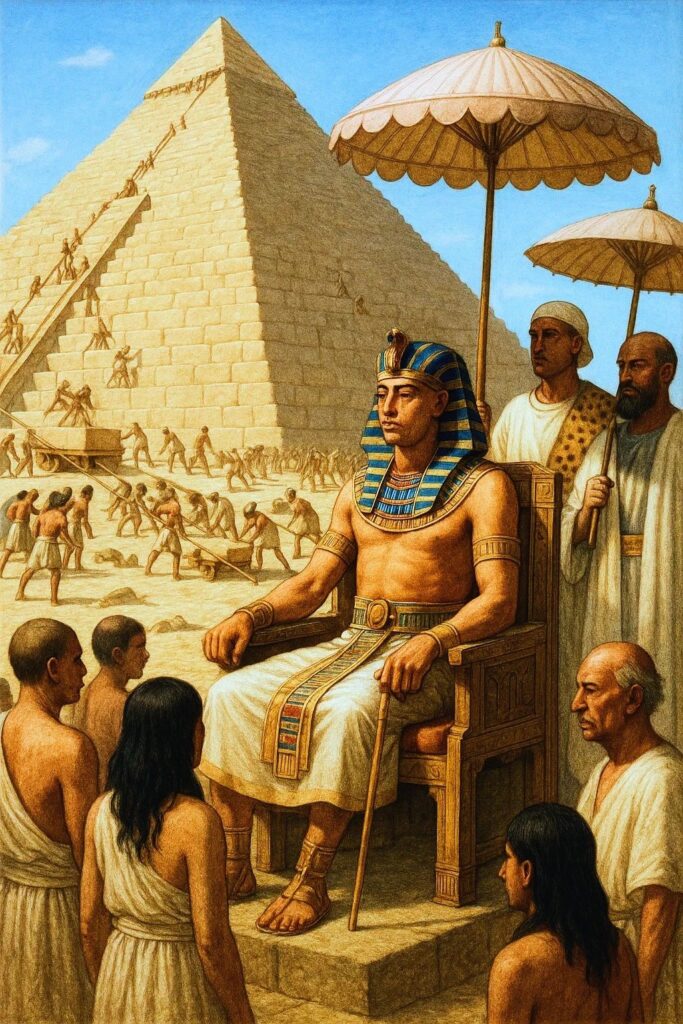
At the center of the Ancient Egyptian government stood the Pharaoh, whose authority extended beyond ordinary political leadership into every aspect of national life. Egyptians regarded the king as the living representative of divine power on earth, responsible for preserving order, protecting the kingdom, and ensuring prosperity for all inhabitants. Rather than ruling through personal ambition alone, the Pharaoh embodied the state itself, symbolizing unity between Upper and Lower Egypt after their historic unification. Royal ceremonies, official inscriptions, and monumental architecture consistently emphasized the king’s sacred responsibility to maintain Ma’at through wise governance and righteous decisions. The Pharaoh commanded the military, appointed senior officials, supervised major construction projects, authorized taxation, and directed foreign diplomacy. Although enormous authority rested with the monarch, practical administration depended upon experienced advisors who transformed royal commands into everyday policy. Famous rulers such as Djoser, Khufu, Hatshepsut, Thutmose III, and Ramesses II demonstrated different styles of leadership while reinforcing the enduring prestige of kingship. Their reigns illustrate how successful rulers balanced religious obligations with political realities, strengthening both domestic stability and international influence. Royal succession usually followed hereditary principles, although periods of instability occasionally produced competing claimants or influential queens who assumed full royal authority. The king’s image appeared throughout Egypt in statues, temples, official documents, and public monuments, constantly reminding subjects of the government’s presence. Despite occasional political crises, Egyptians generally viewed the institution of kingship as essential for national survival because it united administrative efficiency with sacred legitimacy. Through this extraordinary combination of religious symbolism and executive authority, the Pharaoh became the enduring foundation upon which the entire governmental structure securely depended across centuries.
Divine Kingship and Religious Legitimacy

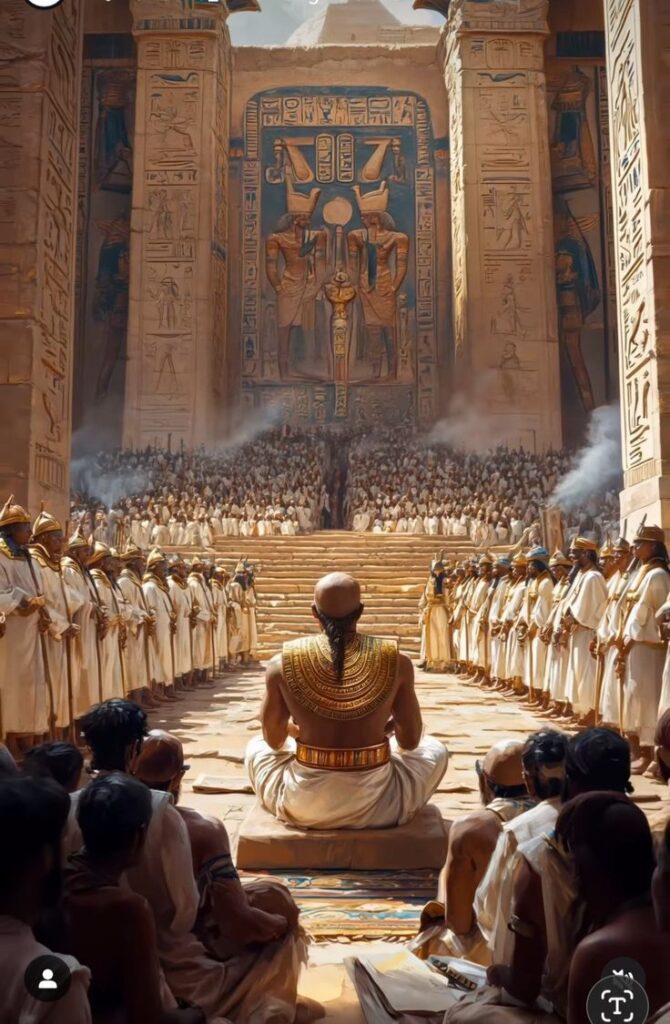
Religion formed the ideological foundation of the Ancient Egyptian government, transforming political authority into a sacred institution supported by deeply rooted spiritual beliefs. Egyptians believed that the Pharaoh ruled not simply by inheritance or military strength but through divine selection, serving as the earthly representative of the gods and the protector of universal order. During life, the king was closely associated with Horus, the falcon god of kingship, while after death he became identified with Osiris, ruler of the underworld. This religious framework gave extraordinary legitimacy to royal authority because obedience to the king was considered an act of devotion toward the gods themselves. Temples, festivals, and ceremonial rituals reinforced this connection by presenting the Pharaoh as the mediator between humanity and the divine realm. Priests conducted elaborate ceremonies in which the king offered gifts to the gods, symbolically ensuring fertile harvests, successful military campaigns, and the continued flooding of the Nile. Monumental inscriptions frequently described victorious rulers as chosen by Amun, Ra, or other major deities, emphasizing divine approval for governmental decisions. Queen Hatshepsut famously strengthened her claim to the throne by promoting the story of her divine birth, while Ramesses II filled temple walls with scenes portraying the gods granting him victory over foreign enemies. Such narratives were not merely religious expressions but powerful political statements supporting royal legitimacy. Through this close union of faith and government, Egypt created an enduring system in which political authority rested upon spiritual conviction as much as administrative efficiency. Consequently, the concept of divine kingship united society, reinforced loyalty, and preserved governmental continuity throughout centuries of remarkable cultural achievement and enduring historical stability.
The Central Administration of Ancient Egypt

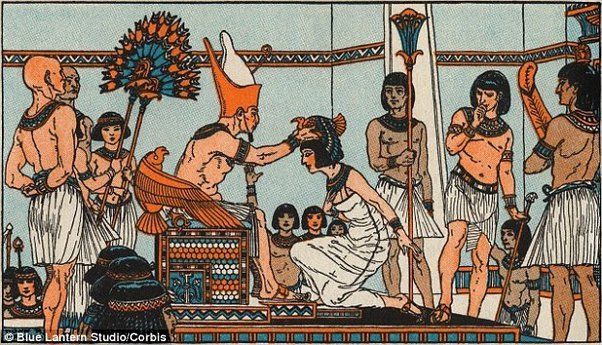
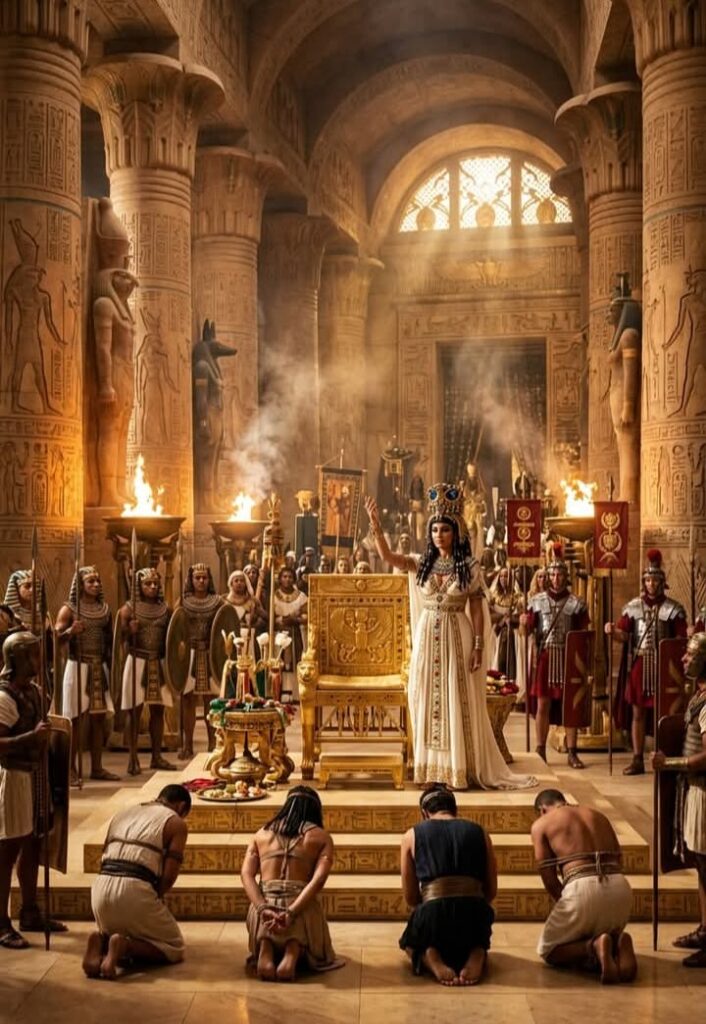
The remarkable stability of Ancient Egypt depended upon a highly organized central administration that transformed the Pharaoh’s authority into effective governance across the kingdom. Although the king held supreme power, the daily management of the state required a sophisticated network of officials, departments, and administrative offices working together to implement royal policies. The royal court served as the government’s political center, where important decisions concerning taxation, agriculture, foreign relations, construction, and religious affairs were coordinated. Administrative records reveal that Egypt maintained specialized institutions responsible for supervising public works, storing agricultural surpluses, managing royal estates, and distributing essential resources throughout the country. Scribes formed the backbone of this administrative system by recording census information, documenting legal agreements, tracking harvests, and preserving official correspondence. Their careful documentation allowed government officials to monitor economic production and allocate resources efficiently, reducing opportunities for corruption or mismanagement. State granaries and treasuries collected agricultural produce, precious metals, livestock, and manufactured goods, ensuring that sufficient supplies remained available during years of poor harvest or national emergency. Major construction projects, including temples, canals, and royal monuments, required extensive planning and coordination among multiple government departments, demonstrating the administration’s impressive organizational capabilities. During prosperous periods such as the Middle and New Kingdoms, central administration expanded further to govern newly conquered territories and oversee increasing commercial activity with neighboring civilizations. Communication between the royal capital and provincial officials depended upon trusted messengers and detailed written reports, enabling the Pharaoh to remain informed about conditions throughout the kingdom. This efficient administrative structure transformed royal authority into practical governance, allowing Ancient Egypt to achieve exceptional political continuity, economic prosperity, and cultural development across many centuries despite occasional periods of internal conflict and external pressure.

The Role and Responsibilities of the Vizier

The Vizier occupied the highest administrative position beneath the Pharaoh and served as the chief executive responsible for ensuring that royal policies were effectively implemented throughout the kingdom. Appointed directly by the king, the Vizier acted as the principal advisor, supervising nearly every branch of government and coordinating communication between the monarch and other officials. This position demanded exceptional intelligence, integrity, and administrative skill because the Vizier managed complex responsibilities affecting both the central government and provincial administration. Official duties included overseeing taxation, supervising agricultural production, directing public construction projects, maintaining state archives, administering justice, and monitoring the activities of subordinate officials. The famous “Installation of the Vizier” inscription from the New Kingdom emphasizes fairness, honesty, and impartial judgment as essential qualities for anyone holding this prestigious office. During periods of political stability, the Vizier played a crucial role in organizing labor for monumental projects such as temples, royal tombs, canals, and irrigation systems while ensuring that resources were distributed efficiently. Some reigns appointed separate Viziers for Upper and Lower Egypt to improve administrative efficiency across the expanding kingdom. Distinguished officials such as Rekhmire left detailed records describing their responsibilities, offering valuable insight into the practical operation of Egyptian government. These documents demonstrate that the Vizier balanced legal authority with administrative leadership, serving as both judge and government coordinator. Although powerful, the Vizier remained accountable to the Pharaoh and exercised authority only on behalf of the crown. Through careful supervision of government departments, financial administration, and judicial proceedings, the Vizier transformed royal directives into practical policies that sustained political stability, economic productivity, and administrative order. This remarkable office became one of the defining institutions supporting the endurance and effectiveness of Ancient Egypt’s centralized government.

Government Officials and the Egyptian Bureaucracy

Beyond the Pharaoh and the Vizier, Ancient Egypt relied upon an extensive bureaucracy composed of highly trained officials who ensured the smooth operation of government across every level of society. These administrators managed specialized responsibilities ranging from finance and agriculture to construction, diplomacy, and religious affairs. Among the most influential were scribes, whose literacy made them indispensable within a civilization where written records formed the foundation of administration. They documented tax collections, census data, land ownership, trade transactions, legal judgments, and royal decrees with remarkable precision. Because relatively few Egyptians could read or write, successful scribes enjoyed considerable prestige and opportunities for advancement within the governmental hierarchy. Other officials supervised granaries, managed royal estates, organized labor forces, inspected irrigation systems, and controlled state workshops producing weapons, textiles, and luxury goods. Treasury administrators safeguarded valuable resources, while military officers coordinated logistics and recruitment under royal authority. Bureaucratic appointments often rewarded loyalty, education, and proven administrative ability, although influential families sometimes maintained important offices across multiple generations. Continuous recordkeeping enabled government departments to monitor production, resolve disputes, and evaluate regional performance efficiently. Written correspondence between provincial authorities and the royal court strengthened communication, allowing officials to respond quickly to local challenges while remaining accountable to central administration. Hierarchical organization ensured that responsibilities were clearly defined, reducing administrative confusion despite the kingdom’s vast geographical extent. The effectiveness of Egyptian bureaucracy contributed significantly to the civilization’s remarkable political longevity by transforming royal authority into organized governmental action. Through disciplined administration, accurate documentation, and professional public service, these officials supported economic prosperity, legal stability, and efficient governance, demonstrating that the enduring success of Ancient Egypt depended upon capable administrators as much as extraordinary rulers and monumental achievements.

Provincial Administration: Nomes and Nomarchs

Although the central government exercised supreme authority, Ancient Egypt depended upon an effective system of provincial administration to govern its extensive territory efficiently. The kingdom was divided into administrative districts known as nomes, each serving as an important regional unit responsible for implementing royal policies and managing local affairs. During most historical periods, Egypt contained more than forty nomes distributed across Upper and Lower Egypt, reflecting both geographical and cultural distinctions within the kingdom. Each nome was governed by an official called a Nomarch, appointed to supervise agriculture, taxation, public works, security, and judicial administration within the district. Nomarchs represented the Pharaoh’s authority while adapting governmental policies to local conditions, ensuring effective communication between provincial communities and the royal court. They organized labor for irrigation projects, maintained canals essential for agricultural productivity, collected taxes, and monitored harvests before forwarding reports to central administrators. During periods of strong royal leadership, Nomarchs remained loyal servants of the crown and contributed significantly to national stability. However, during times of political weakness, particularly the First Intermediate Period, some provincial governors accumulated considerable independence, challenging central authority and contributing to regional fragmentation. The reunification of Egypt under powerful rulers restored tighter administrative control while preserving the importance of provincial governance. Local temples, officials, and scribes collaborated closely with Nomarchs to maintain accurate records and resolve community disputes. This balanced relationship between central administration and regional government allowed Egypt to govern diverse populations across the Nile Valley with remarkable efficiency. By combining local knowledge with royal oversight, the provincial system strengthened political unity, promoted economic productivity, and ensured that governmental authority reached even the most distant communities throughout the ancient kingdom.

Taxation and Economic Administration

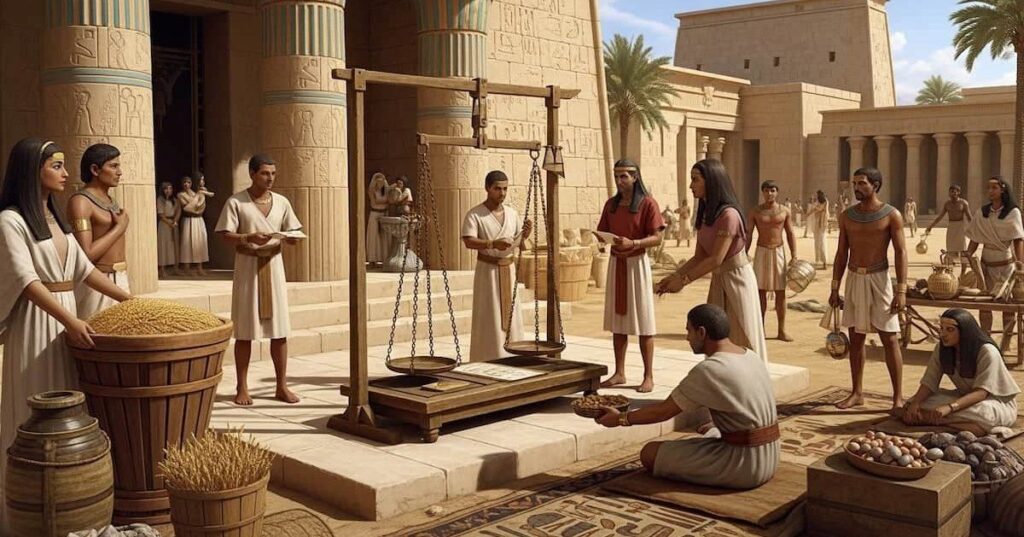
An efficient taxation system formed the financial foundation of the Ancient Egyptian government, providing the resources necessary to sustain public administration, monumental construction, military campaigns, and religious institutions. Because agriculture dominated the Egyptian economy, taxes were commonly collected in the form of grain, livestock, textiles, oils, and other agricultural products rather than coinage, which did not exist during most of Egypt’s pharaonic history. Following the annual inundation of the Nile, government surveyors measured cultivated fields to estimate agricultural production and determine appropriate tax obligations. Scribes carefully documented harvests, recorded payments, and maintained detailed accounts that enabled officials to monitor state revenues with remarkable accuracy. Royal granaries served as central storage facilities where collected grain could support workers, soldiers, temple personnel, and communities during periods of famine or poor harvests. Taxation also financed large-scale construction projects, including pyramids, temples, irrigation canals, fortresses, and administrative buildings that strengthened both economic development and political authority. Specialized officials supervised warehouses, inspected agricultural production, and investigated cases of tax evasion or corruption to protect government resources. In addition to agricultural taxes, the state benefited from trade, mining expeditions, tribute from conquered territories, and profits generated by royal estates and temple lands. Commercial exchanges with Nubia, the Levant, Punt, and Mediterranean regions supplied valuable commodities such as gold, incense, timber, ivory, and precious stones, enriching the royal treasury. Careful economic planning allowed the government to distribute resources efficiently while responding to environmental challenges and population needs. Through disciplined taxation, comprehensive recordkeeping, and effective resource management, Ancient Egypt established a resilient economic administration that supported political stability, encouraged prosperity, and enabled one of history’s longest-lasting civilizations to flourish across successive generations.

Laws and the Justice System

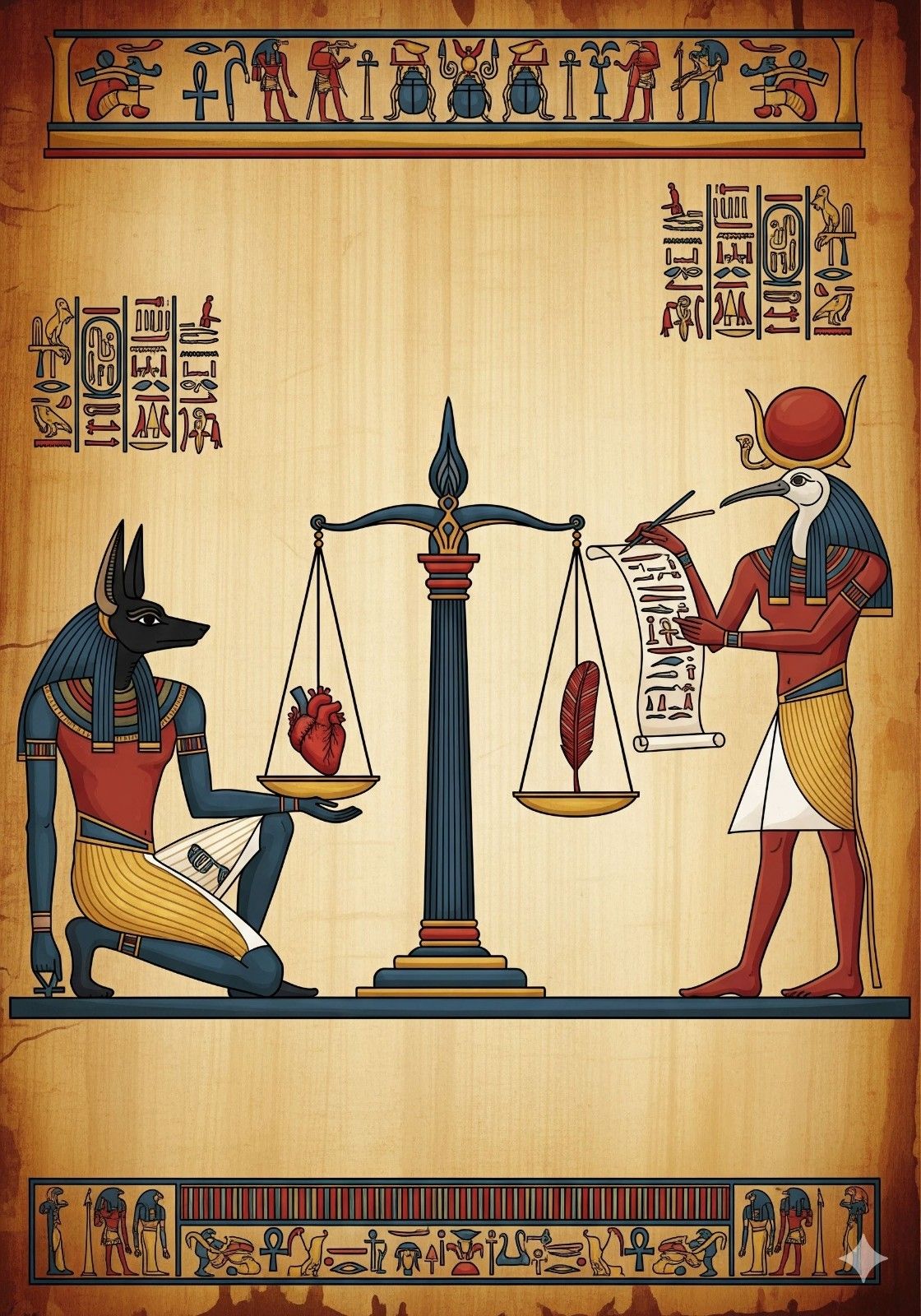
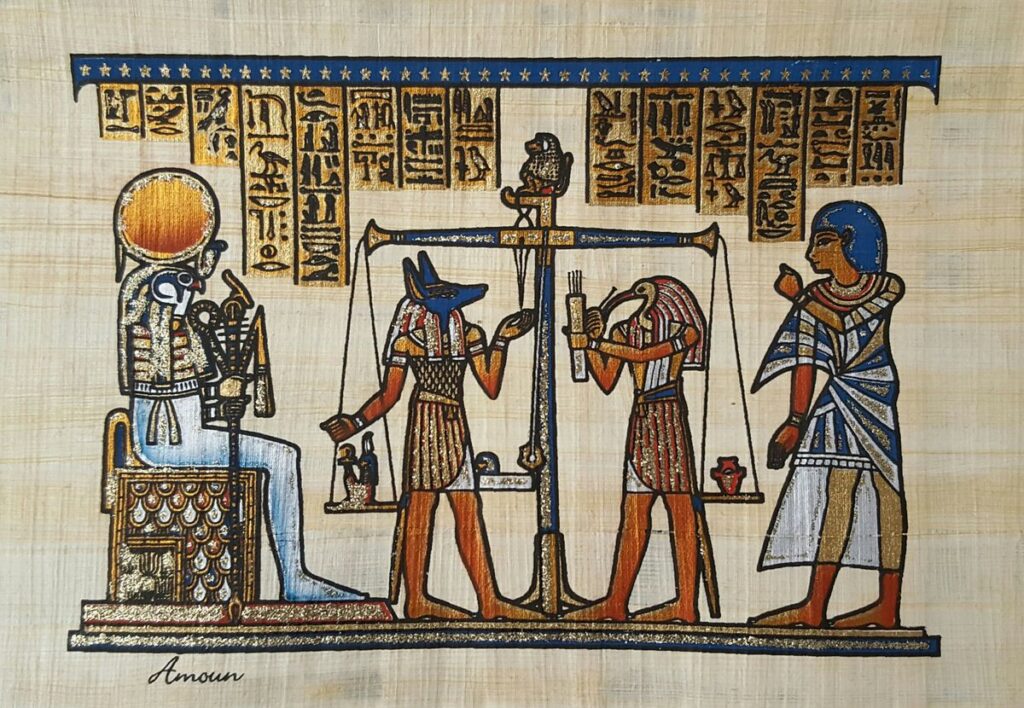
The legal system of Ancient Egypt reflected the civilization’s enduring commitment to Ma’at, the principle of truth, justice, balance, and social harmony that guided every aspect of government and daily life. Unlike many later societies, Egypt did not rely upon a single written legal code comparable to the Code of Hammurabi. Instead, justice was administered according to established customs, royal decrees, and the ethical ideals associated with Ma’at. The Pharaoh served as the supreme judge, although the practical administration of justice was delegated to the Vizier and local courts composed of experienced officials. These courts examined disputes involving land ownership, inheritance, contracts, theft, assault, and commercial transactions. Scribes carefully documented legal proceedings, witness testimonies, and judicial decisions, creating valuable records that promoted fairness and administrative consistency. Evidence and testimony played an important role during trials, while judges were expected to remain impartial and protect the interests of both the state and ordinary citizens. Punishments varied according to the seriousness of the offense and could include fines, confiscation of property, forced labor, exile, or corporal punishment. Serious crimes such as tomb robbery, corruption, or treason received particularly severe penalties because they threatened public order and royal authority. The famous judicial papyri from the New Kingdom provide important evidence of legal investigations and demonstrate the government’s determination to combat official misconduct. Although social status sometimes influenced legal outcomes, the Egyptian justice system generally sought to preserve order rather than encourage revenge. By linking legal authority with the moral principles of Ma’at, Ancient Egypt created a judicial system that reinforced political stability, protected economic activity, and strengthened public confidence in the legitimacy of governmental institutions throughout the kingdom.

Military Administration and National Security

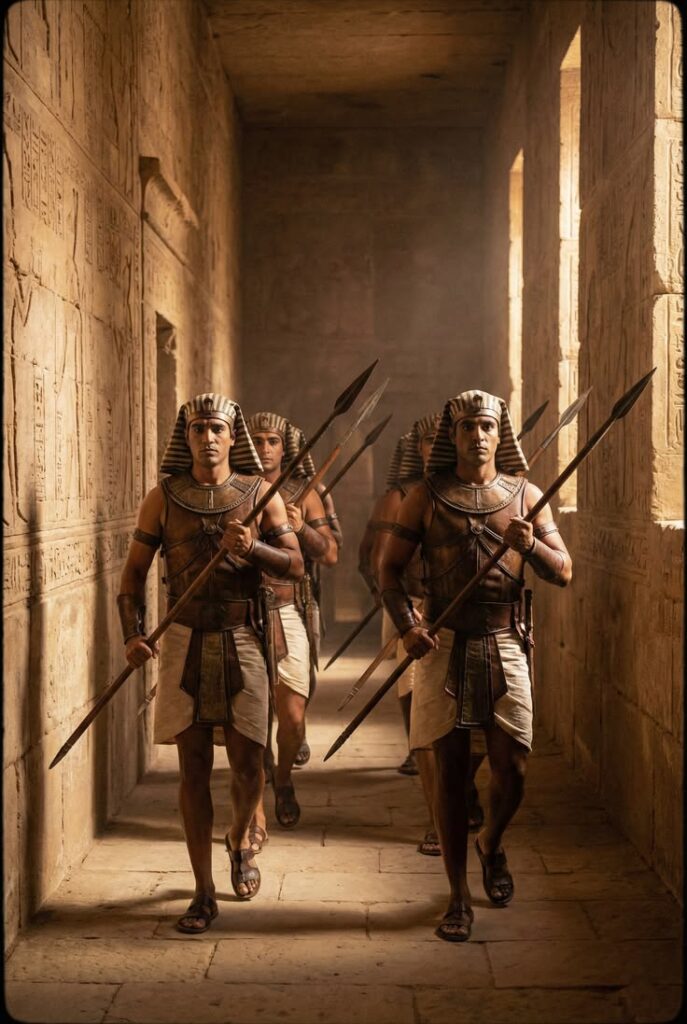
Military administration played an increasingly significant role in the Ancient Egyptian government, particularly during the Middle and New Kingdoms when expanding territorial ambitions and foreign threats required stronger national defense. Although early Egyptian rulers relied largely on regional militias, the state gradually developed a professional standing army under direct royal authority. The Pharaoh served as commander-in-chief, while experienced military officers supervised recruitment, training, logistics, intelligence, and battlefield operations. Government officials maintained detailed records of soldiers, equipment, supplies, and military campaigns, demonstrating the administrative sophistication that supported Egypt’s armed forces. Fortresses strategically constructed along the Nile, the eastern frontier, and the southern border protected trade routes, defended valuable resources, and monitored neighboring territories. Successful rulers such as Thutmose III expanded Egyptian influence through carefully organized military expeditions into the Levant, while Ramesses II strengthened border defenses and concluded one of history’s earliest recorded international peace treaties following the Battle of Kadesh. Military victories brought wealth to the kingdom through tribute, trade opportunities, and access to valuable natural resources, strengthening the royal treasury and reinforcing political authority. Soldiers also participated in public construction projects and assisted local authorities during emergencies, illustrating the military’s broader contribution to national administration. Specialized departments supplied weapons, chariots, horses, food, and medical care, ensuring operational readiness during extended campaigns. Intelligence gathering and diplomatic negotiations further enhanced national security by allowing the government to anticipate potential threats before conflict became unavoidable. Through effective military organization integrated with central administration, Ancient Egypt protected its borders, secured commercial interests, preserved internal stability, and established itself as one of the dominant political and military powers of the ancient Near East for many centuries.

The Relationship Between Religion and Government

Religion and government were inseparable institutions in Ancient Egypt, forming a unified system that shaped political authority, social organization, and cultural identity throughout the civilization’s long history. The Pharaoh ruled not only as the kingdom’s political leader but also as its highest religious representative, responsible for maintaining harmony between the human world and the divine realm. This close relationship ensured that governmental decisions possessed both political legitimacy and spiritual significance. Temples functioned as far more than places of worship; they served as important administrative, educational, and economic centers employing thousands of priests, scribes, craftsmen, laborers, and agricultural workers. Vast temple estates owned productive farmland, managed livestock, operated workshops, and controlled valuable resources that contributed significantly to the national economy. Priests conducted daily rituals believed essential for preserving cosmic order, while government officials cooperated closely with religious institutions to organize festivals, distribute offerings, and maintain sacred monuments. Major temples dedicated to gods such as Amun, Ra, Ptah, and Horus enjoyed royal patronage, reflecting the government’s commitment to religious stability. During the reign of Akhenaten, the traditional relationship between religion and government underwent dramatic transformation when the king promoted exclusive worship of Aten, illustrating how religious policy could influence political authority and administrative organization. Following his death, subsequent rulers restored traditional religious practices, demonstrating the resilience of Egypt’s established institutions. By integrating sacred belief with political administration, Ancient Egypt created a government that inspired loyalty, reinforced moral values, and strengthened national unity. This enduring partnership between religion and state became one of the defining characteristics of Egyptian civilization, contributing significantly to its remarkable stability, cultural continuity, and lasting historical influence.

Legacy and Historical Impact of the Ancient Egyptian Government System

The government system of Ancient Egypt stands among the most influential political achievements in world history, demonstrating how effective leadership, organized administration, religious legitimacy, and economic management could sustain a civilization for more than three millennia. Its remarkable stability resulted from the successful integration of centralized authority with a professional bureaucracy capable of governing an extensive and diverse kingdom. The Pharaoh symbolized national unity, while the Vizier, provincial governors, scribes, judges, military commanders, and countless officials transformed royal authority into practical governance that reached every community along the Nile Valley. Through careful taxation, efficient resource management, organized legal institutions, and coordinated public administration, Egypt maintained agricultural prosperity, supported monumental architecture, protected international trade, and preserved social order across successive dynasties. The close relationship between religion and government further strengthened political legitimacy by presenting state authority as an essential part of the divine order governing both nature and society. Although periods of internal conflict and foreign invasion occasionally disrupted political continuity, the fundamental principles of Egyptian administration repeatedly proved resilient, allowing later rulers to restore centralized government and national stability. Many neighboring civilizations adopted or adapted Egyptian administrative practices, diplomatic traditions, monumental symbolism, and concepts of sacred kingship, illustrating the far-reaching influence of its governmental institutions. Modern historians continue to study Ancient Egypt because its political organization reveals how effective administration can support cultural achievement, economic development, and long-term national resilience. Ultimately, the Ancient Egyptian government system was far more than a mechanism for exercising authority; it represented a sophisticated model of governance that united political leadership, religious belief, legal order, and administrative efficiency. Its enduring legacy continues to inspire historical scholarship and remains one of humanity’s greatest examples of successful state organization and institutional continuity across the ancient world.

Frequently Asked Questions About Ancient Egypt Role of the Pharaoh

The Pharaoh was the supreme authority in Ancient Egypt. As both the political ruler and the religious leader, the Pharaoh governed the kingdom, commanded the military, appointed officials, enacted policies, and was believed to rule with divine authority granted by the gods.

The Vizier was the Pharaoh’s chief minister and the highest-ranking government official after the king. The Vizier supervised the administration, managed taxation, oversaw the legal system, coordinated construction projects, maintained official records, and ensured that government departments functioned efficiently.

Ancient Egypt was divided into administrative districts called nomes, each governed by a Nomarch. These officials collected taxes, supervised agriculture, maintained irrigation systems, administered justice, and reported directly to the central government, helping the Pharaoh govern the entire kingdom effectively.

Yes. Ancient Egypt had an organized justice system based on the principle of Ma’at, which represented truth, justice, and order. Local courts and the Vizier handled legal disputes involving property, contracts, inheritance, and criminal offenses, while the Pharaoh served as the highest judicial authority.

The success of the Ancient Egyptian government resulted from its strong central administration, efficient bureaucracy, effective taxation system, organized military, and the belief that the Pharaoh ruled by divine authority. These elements worked together to maintain political stability, economic prosperity, and cultural continuity for more than 3,000 years.